
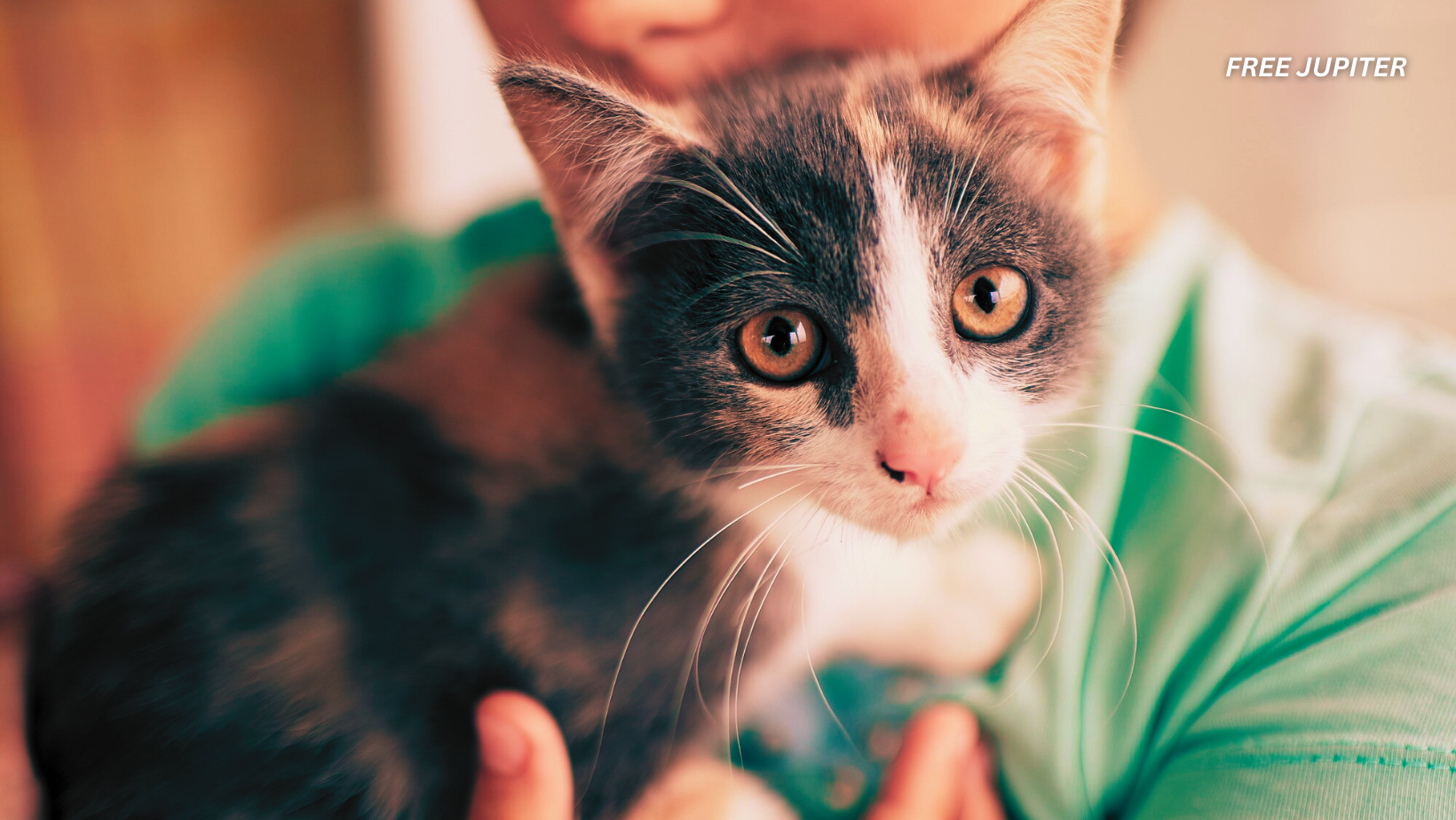
For many people, pets are far more than animals that live in the house. They are trusted companions, daily sources of comfort, and cherished members of the family. In homes around the world, dogs and cats are celebrated on birthdays, included in family photos, and treated with the same care and affection often reserved for loved ones.
This shift in how people view their pets has become increasingly common. While animals once served primarily practical purposes such as hunting, guarding property, or helping with farm work, modern pets often play a very different role. They provide companionship, emotional support, and a sense of connection that can be deeply meaningful.
Psychologists note that seeing a pet in a childlike or family centered role is not unusual. In fact, the strong emotional bonds people form with animals can reveal interesting aspects of personality, values, and behavior. Rather than suggesting confusion between pets and human children, these relationships often reflect a person’s capacity for care, empathy, and emotional attachment.
According to mental health experts, individuals who view their pets as family members tend to share several recognizable characteristics.
1. They Have Strong Nurturing Instincts
One of the most common traits among devoted pet owners is a natural desire to care for others.
Pets depend on humans for food, safety, comfort, and daily attention. Providing these needs often activates the same caregiving instincts that people use in other close relationships. Feeding schedules, veterinary visits, grooming routines, and daily exercise all require commitment and responsibility.
Psychologists explain that people who enjoy caring for their pets often find fulfillment in helping another living being thrive. The process creates a sense of purpose and strengthens emotional bonds over time.
For many, nurturing a pet becomes an important part of daily life and identity.
Read more: 18 Psychological Reasons the Smartest People Always Have Pets
2. They Are Highly Empathetic
Animals communicate differently than humans. They cannot explain how they feel through words, so understanding them often requires careful observation.
People who form strong attachments to pets frequently become skilled at recognizing subtle signals. A slight change in behavior, posture, appetite, or energy level may immediately stand out.
This attentiveness often extends beyond pets. Psychologists suggest that highly empathetic individuals tend to notice emotional cues in people as well. They are often sensitive to the feelings of others and naturally respond with compassion and understanding.
Their ability to tune into emotional needs helps strengthen relationships of all kinds.
3. They Tend to Humanize Animals
Many pet owners naturally assign human qualities to their animals.
A dog might be described as stubborn, thoughtful, dramatic, or protective. A cat may be seen as independent, mischievous, or affectionate. This tendency, known in psychology as anthropomorphism, involves attributing human traits and emotions to nonhuman beings.
While some people do this more than others, psychologists say it often helps deepen emotional connections. Viewing pets through a human lens can make interactions feel richer and more meaningful.
This does not mean people genuinely believe their pets think exactly like humans. Rather, it reflects the emotional closeness they feel toward them.
4. They Value Stability and Routine
Life with a pet often revolves around predictable habits.
Morning walks, feeding times, play sessions, grooming schedules, and bedtime routines create structure throughout the day. These repeated activities can provide a sense of stability that many people find comforting.
Psychologists note that individuals who form strong bonds with their pets frequently appreciate consistency. Daily routines help create order and offer small moments of connection that become meaningful over time.
Even simple rituals can contribute to feelings of security and emotional well being.
Read more: Psychology: People Who Talk To Their Pets Like They Are Humans Display Certain Emotional Traits
5. They Are Deeply Loyal
Loyalty often sits at the center of strong human animal relationships.
People who see their pets as family members usually demonstrate long term commitment. They remain devoted through challenges, including behavioral issues, medical problems, or the demands of aging.
Psychologists suggest that this loyalty often reflects a broader appreciation for lasting relationships. These individuals may place great value on trust, reliability, and emotional connection.
Their dedication is not based on convenience but on a genuine sense of responsibility and affection.
6. They Are Emotionally Observant
Strong pet owners often develop an impressive ability to notice small changes.
A pet refusing a favorite treat, sleeping in a different location, or acting less energetic than usual can immediately attract attention. Because animals rely heavily on behavior to communicate, attentive owners become skilled observers.
Experts say this heightened awareness frequently carries over into everyday life. Emotionally observant people tend to recognize shifts in mood, energy, and social dynamics more quickly than others.
Their attention to detail helps them respond thoughtfully to both people and animals.
7. They Appreciate Safe and Reliable Connections
Human relationships can sometimes be complicated. Misunderstandings, disagreements, and conflicting expectations are all normal parts of life.
Pets, however, often offer a different kind of connection. Their affection tends to feel straightforward, consistent, and free from many social pressures.
Psychologists note that some individuals are particularly drawn to relationships that provide emotional comfort and reliability. The bond with a pet can offer companionship without many of the complexities found in human interactions.
This does not replace relationships with people. Instead, it often complements them by adding another source of support and connection.
8. They Form Strong Emotional Attachments
Perhaps the most defining characteristic is the ability to build deep emotional bonds.
People who think of their pets as family members often place great importance on connection. They invest time, energy, and affection into maintaining close relationships and derive genuine happiness from those bonds.
Research has shown that positive relationships with pets can contribute to reduced stress, improved mood, and a greater sense of companionship. For many individuals, pets become a meaningful part of their emotional world.
This capacity for attachment reflects a broader tendency to value relationships that bring comfort, trust, and mutual affection.
Is It Normal to Think of a Pet Like Family?
Psychologists overwhelmingly agree that it is entirely normal.
Caring for an animal involves many of the same behaviors associated with nurturing. Feeding, protecting, comforting, and supporting a pet can naturally strengthen emotional attachment. Over time, the relationship may begin to feel similar to other close family connections.
Importantly, experts emphasize that viewing a pet as family does not mean confusing animals with human children. Most people understand the differences perfectly well. The language simply reflects the depth of affection and responsibility they feel.
In many cases, the bond serves as an extension of a person’s capacity to care rather than a substitute for human relationships.
Read more: These 6 Signs Show That Your Dog Feels Truly Secure and Happy Around You
The Growing Importance of Pets in Modern Life
As lifestyles continue to evolve, pets are playing an increasingly significant role in emotional well being. They offer companionship during stressful periods, provide structure to daily routines, and create opportunities for meaningful connection.
Psychologists suggest that strong relationships with pets can be both healthy and beneficial when they coexist alongside other positive relationships. Whether someone refers to a dog as a best friend, a cat as a companion, or a pet as part of the family, the underlying message is often the same.
The relationship matters.
Ultimately, people who think of their pets as family members often share qualities such as empathy, loyalty, attentiveness, emotional warmth, and a strong desire to nurture. These traits highlight not only the importance of animals in modern life but also the remarkable human ability to form deep and meaningful connections across species.