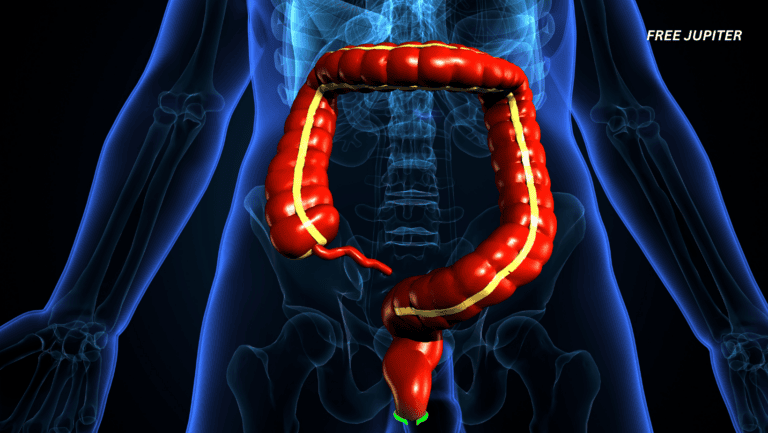

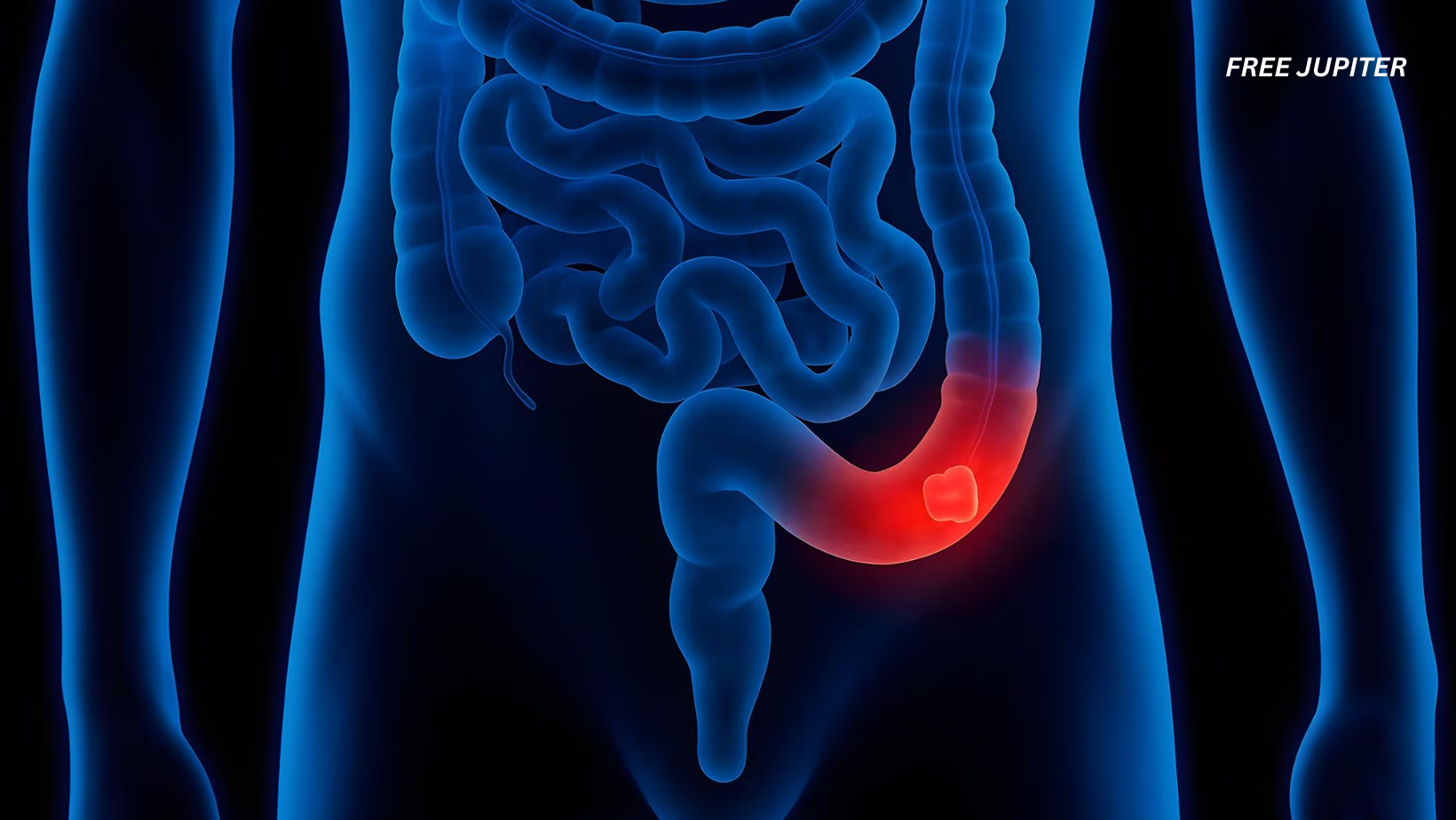
Colon cancer is one of the most common cancers affecting the digestive system, but there is an important reason for hope. When it is found early, treatment can be much more effective, and many people have a strong chance of recovery. Early detection often changes the outcome because doctors have more options when the disease is discovered before it spreads.
Medical experts emphasize that awareness is one of the most powerful tools people have. Colon cancer does not always arrive with obvious signs. In some cases, it develops slowly and may not cause noticeable problems at first. Because of this, people may mistake early warning signs for ordinary digestive issues and delay seeking medical advice.
One symptom, in particular, stands out among doctors as something that should never be ignored: blood in the stool or bleeding from the rectum.
Although seeing blood after using the bathroom can happen for many reasons, experts explain that it should always be checked. What may appear to be a small issue could sometimes be a sign of a condition that needs attention.
Read more: FDA Approves Cancer Treatment That Uses Sound Waves Instead of Surgery or Chemotherapy
Why Colon Cancer Can Hide in the Early Stages
The human digestive system is complex, and problems within the colon can sometimes develop without causing dramatic changes. This is one reason colon cancer may be difficult to identify in its early stages.
The colon, also known as the large intestine, plays an important role in absorbing water and preparing waste to leave the body. When abnormal cells begin growing in this area, they may form small growths called polyps. Some polyps remain harmless, but others can slowly change into cancer over time.
Because these changes often happen gradually, a person may feel completely normal while the disease is developing. There may be no severe pain, major discomfort, or obvious sign that something unusual is happening.
John Nathanson, M.D., a gastroenterologist at NewYork Presbyterian/Columbia University Irving Medical Center, explained that colon cancer can sometimes develop without symptoms. When symptoms appear, they may resemble more common problems such as constipation, infections, or hemorrhoids.
This similarity can make the condition confusing. A person might assume that digestive discomfort is simply caused by food, stress, or a temporary issue. While many symptoms are harmless, unusual or lasting changes should not be ignored.
Pratima Dibba, M.D., a gastroenterologist with Medical Offices of Manhattan, explained that some symptoms may seem mild in the beginning. Because they do not always feel urgent, some people wait until the problem becomes more serious before contacting a doctor.
Blood in the Stool Is a Warning Sign Worth Checking
Doctors say rectal bleeding is one of the most important warning signs of colon cancer.
Seeing blood in the toilet or noticing blood on toilet paper can be alarming, but some people immediately assume it is caused by hemorrhoids. While hemorrhoids are common and can cause bleeding, experts warn that it is not safe to automatically blame every case of rectal bleeding on them.
Blood in the stool may come from different areas of the digestive system, including the colon. Since colon cancer can sometimes cause bleeding, it is important to find out the real reason behind it.
The blood may look different depending on where it comes from. It can appear bright red, which may indicate fresh bleeding, or it may look darker. Sometimes blood is not visible at all and can only be discovered through medical testing.
Not every case of blood in the stool means cancer. Other conditions, including infections, inflammation, or digestive problems, may also cause bleeding. However, a doctor can determine what is happening and whether further testing is needed.
Ignoring the symptom because it seems small can be risky. Getting checked does not mean expecting the worst. It simply allows a possible problem to be understood before it has a chance to become more serious.
Changes in Digestion May Also Provide Clues
While rectal bleeding is considered a major warning sign, colon cancer may also appear through other changes in the body.
One possible symptom is a lasting change in bowel habits. This means a person may notice that their usual bathroom routine has changed and does not return to normal.
Some people may experience frequent diarrhea, ongoing constipation, or alternating periods of both. Others may feel as though they still need to use the bathroom even after they have already gone.
Changes in stool shape may also occur. A person may notice thinner stools than usual or changes that continue over time. These changes happen because a growth in the colon may affect how waste moves through the digestive tract.
Occasional digestive issues are common and do not automatically mean cancer. Everyone experiences stomach problems from time to time. The concern comes when changes continue for weeks or happen together with other warning signs.
Unexplained Weight Loss and Abdominal Discomfort
Another possible sign of colon cancer is losing weight without trying.
Unexpected weight loss can happen when the body is dealing with an illness. In some cases, cancer cells use energy differently, which may affect appetite, metabolism, and the body’s normal functions.
Some people may also experience ongoing abdominal discomfort. This may include cramps, bloating, pressure, or pain that does not go away.
A stomachache after eating or occasional bloating is usually not a reason for panic. However, discomfort that becomes frequent, intense, or unusual should be discussed with a healthcare provider.
The pattern matters. Doctors often look at how long symptoms have been happening, whether they are getting worse, and whether several symptoms appear together.
Fatigue Can Sometimes Be a Hidden Sign
Feeling tired after a busy day is normal, but ongoing exhaustion without a clear explanation can sometimes be connected to health concerns.
Colon cancer may cause slow bleeding that is not always visible. Over time, this may contribute to low iron levels and anemia, a condition where the body does not have enough healthy red blood cells to carry oxygen properly.
Anemia can lead to tiredness, weakness, dizziness, or shortness of breath. Since these symptoms can have many causes, they are not proof of cancer. However, persistent fatigue is another reason to speak with a medical professional.
Screening Helps Find Problems Before They Grow
Recognizing symptoms is important, but screening remains one of the best ways to detect colon cancer early.
Screening tests can find abnormal growths in the colon before they become dangerous. Some tests can even identify polyps that doctors can remove before cancer develops.
Many health experts recommend that adults begin regular colorectal cancer screening around age 45. However, some people may need earlier screening depending on their family history, lifestyle factors, or other risks.
A doctor can help decide which screening method is most appropriate. Different tests may be used depending on a person’s health history and personal needs.
Regular checkups are especially important because colon cancer can sometimes be present before symptoms appear.
Knowing Your Body Can Make a Difference
The warning signs of colon cancer are not always dramatic. Sometimes, the body sends small signals that are easy to overlook. A little blood after using the bathroom, a change in digestion, unusual tiredness, or unexplained weight loss may seem like minor issues, but they can provide valuable information about what is happening inside the body.
Many of these symptoms can be caused by conditions that are not cancer. Still, the only way to know for sure is through proper medical evaluation.
The most important step is not fear, but awareness. Paying attention to changes, following recommended screening schedules, and speaking with a healthcare provider when something feels unusual can help catch problems earlier.
Colon cancer is a serious condition, but early detection continues to be one of the strongest advantages in treatment. A symptom that seems easy to dismiss today could be the clue that helps protect health in the future.
Featured image: Magnific
Friendly Note: FreeJupiter.com shares general information for curious minds. Please fact-check all claims and double-check health info with a qualified professional. Read our health-related content disclaimer here. 🌱