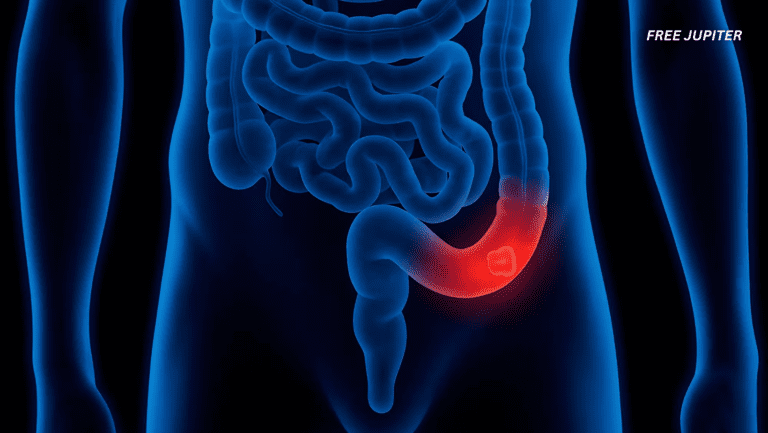

For decades, cancer treatment has largely revolved around three major approaches: surgery, chemotherapy, and radiation therapy. While these methods have helped save countless lives, they often come with significant challenges. Surgical procedures can require lengthy recovery periods, chemotherapy can affect healthy cells along with cancerous ones, and radiation therapy may cause side effects that impact a patient’s quality of life.
Now, a groundbreaking medical technology is offering a different path.
The United States Food and Drug Administration has approved an innovative treatment that uses focused sound waves to destroy certain tumors without requiring surgical incisions, radiation exposure, or chemotherapy drugs. The technology, known commercially as the Edison System, represents one of the most exciting developments in modern cancer care.
By using sound energy to target tumors with remarkable precision, doctors can eliminate cancerous tissue while preserving much of the surrounding healthy tissue. The approval has sparked interest among researchers and healthcare professionals who believe this technology could help transform how some cancers are treated in the future.
What Is Histotripsy?
The treatment is based on a technique called histotripsy, a term that may sound highly technical but is built on a relatively simple concept.
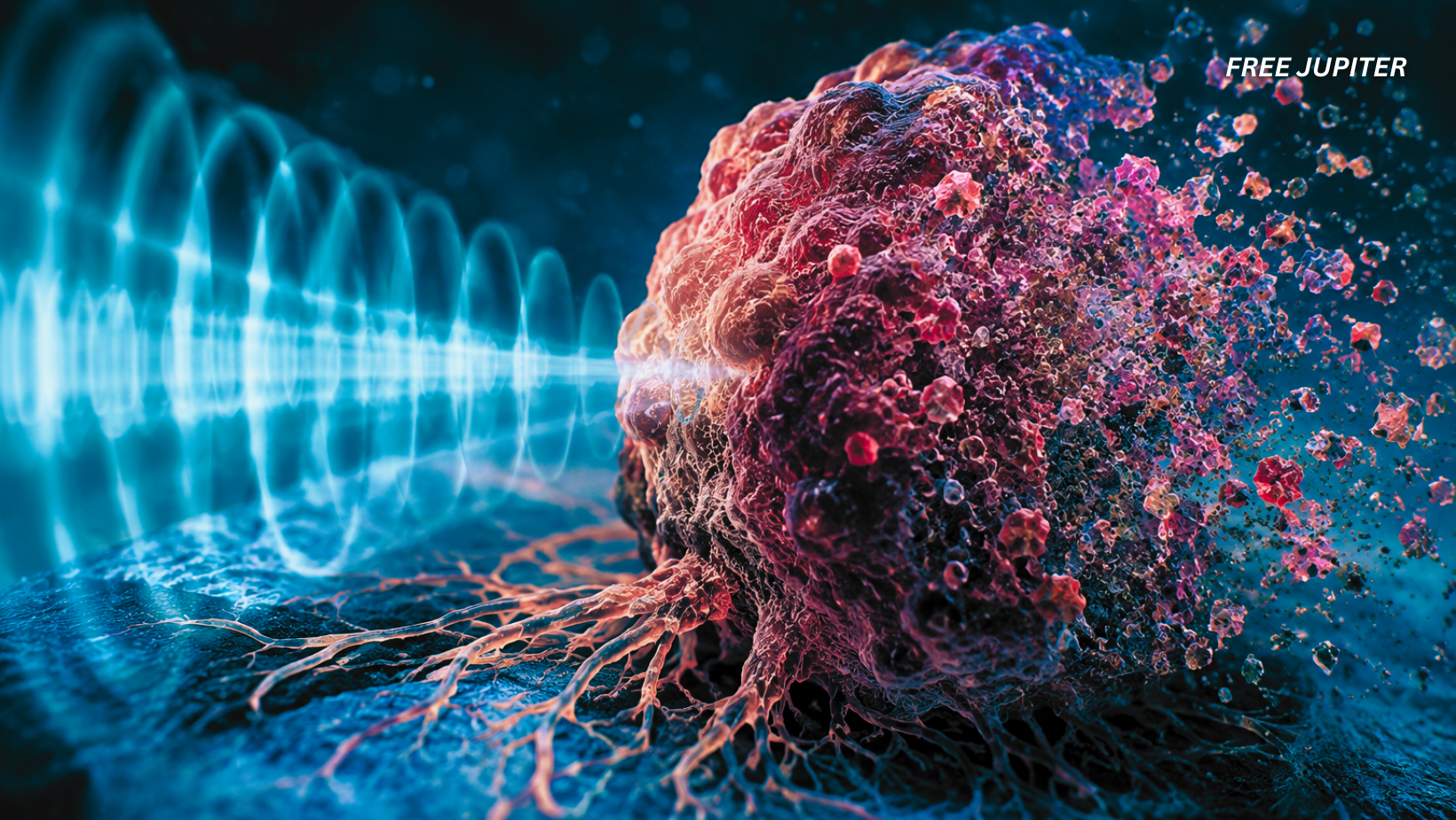
Unlike traditional cancer treatments that rely on heat, radiation, or chemicals to destroy tumors, histotripsy uses focused ultrasound waves. These sound waves are directed toward a specific area inside the body where a tumor is located.
When the waves reach the target, they create tiny microscopic bubbles within the tumor tissue. These bubbles rapidly form and collapse in a process known as cavitation. The force generated by this action mechanically breaks apart cancer cells.
Rather than burning or cutting the tumor, the procedure essentially liquefies the unwanted tissue. Over time, the body’s natural processes help remove the destroyed cells.
Because the treatment relies on mechanical forces instead of heat, there is less risk of damaging nearby tissues. This makes histotripsy fundamentally different from many existing treatment methods.
How the Edison System Works
The Edison System allows specially trained interventional radiologists to guide the treatment with exceptional accuracy.
During the procedure, medical imaging technology is used to locate the tumor and monitor the treatment in real time. Physicians can see exactly where the sound waves are being directed and adjust their focus as needed.
The patient typically lies comfortably while the device delivers the ultrasound energy through the skin. No scalpels are required, and no physical instruments need to enter the body.
As the sound waves concentrate on the tumor, the targeted tissue begins to break down while nearby structures remain largely unaffected. This precision is one of the reasons many experts view the technology as a major step forward in noninvasive medicine.
The ability to see the treatment unfold in real time also provides doctors with valuable feedback, helping them ensure that the correct area is being treated throughout the procedure.
Why Patients May Benefit from This Approach
One of the most attractive aspects of histotripsy is its potential to reduce many of the burdens commonly associated with cancer treatment.
Since no incisions are made, patients face a lower risk of bleeding, infection, and surgical complications. This can be especially important for individuals who have underlying health conditions or who may not be strong candidates for surgery.
Patients taking blood thinning medications may also benefit from the procedure since the absence of surgical cuts reduces concerns about excessive bleeding.
Recovery times are often shorter as well. Many patients can return home on the same day as the treatment, allowing them to resume normal activities more quickly than they might after traditional surgery.
For people already dealing with the emotional and physical stress of a cancer diagnosis, a treatment that requires less recovery time can make a meaningful difference.
Early Research Shows Promising Results
Although histotripsy remains a relatively new technology, early clinical findings have generated significant enthusiasm.
A landmark study published in the medical journal Radiology reported that the treatment achieved its intended clinical performance goals in 95 percent of treated cases. Researchers also observed a low rate of major complications.
These findings suggest that the technology can effectively target tumors while maintaining a favorable safety profile.
Medical experts caution that further research is still needed to better understand the long term outcomes of histotripsy. However, the initial data provide strong evidence that the approach has substantial potential.
As additional studies are completed, researchers hope to gain a clearer picture of how the treatment compares with established therapies and whether it can be used in combination with other cancer treatments.
Current Applications Focus on Liver Tumors
At present, histotripsy is primarily being used to treat certain tumors located in the liver.
These include primary liver cancers, which begin in the liver itself, as well as metastatic tumors that have spread to the liver from other parts of the body.
The liver is often a challenging organ to treat because tumors can develop in difficult locations near critical blood vessels and other structures. Histotripsy’s precision makes it particularly appealing for these cases.
Some patients with liver tumors are not candidates for surgery because of the tumor’s location, overall health concerns, or other medical factors. For these individuals, sound wave therapy may provide an additional treatment option where few alternatives exist.
Could Sound Waves Treat Other Types of Cancer?
Researchers are already exploring whether histotripsy can be expanded beyond liver tumors.
Studies are investigating its potential use for cancers affecting organs such as the kidney, pancreas, prostate, and other parts of the body. Scientists are also examining whether the treatment could help address benign tumors and other medical conditions.
One particularly intriguing area of research involves the immune system.
Some scientists believe that breaking down a tumor through histotripsy may release cancer related material that helps the immune system recognize and attack remaining cancer cells elsewhere in the body. If this effect is confirmed through future studies, it could open the door to combining histotripsy with immunotherapy and other advanced treatments.
Although these possibilities remain under investigation, they highlight the broad potential of the technology.
Challenges and Questions That Remain
Despite its promise, histotripsy is not yet a universal solution for cancer.
Not every tumor is suitable for treatment with sound waves, and researchers are still determining which patients are most likely to benefit. Factors such as tumor size, location, and overall health can influence whether the procedure is appropriate.
Access to the technology may also be limited initially since specialized equipment and trained medical teams are required.
As with any new medical advancement, continued research will be essential to better understand long term effectiveness, patient outcomes, and potential limitations.
Medical experts emphasize that histotripsy should currently be viewed as an additional tool in the fight against cancer rather than a replacement for all existing treatments.
A Glimpse Into the Future of Cancer Care
The FDA approval of histotripsy marks an important milestone in the evolution of cancer treatment.
For many years, researchers have sought ways to treat tumors more precisely while reducing harm to healthy tissue. The ability to destroy cancer cells using focused sound waves represents a remarkable achievement in that effort.
While additional studies are still needed, the technology offers a glimpse of what the future of oncology may look like. Treatments could become increasingly targeted, less invasive, and easier for patients to tolerate.
The approval of the Edison System demonstrates how medical innovation continues to push the boundaries of what is possible. For patients facing difficult diagnoses and limited treatment options, this new approach provides something that is always valuable in healthcare: another chance, another option, and another reason for optimism.
As scientists continue to refine and expand the technology, sound wave therapy may become one of the most significant advances in cancer treatment in the twenty first century.
Featured image: Magnific
Friendly Note: FreeJupiter.com shares general information for curious minds. Please fact-check all claims and double-check health info with a qualified professional. Read our health-related content disclaimer here. 🌱