
Bringing a dog home often feels like the biggest step. In reality, it is only the beginning. The deeper question settles in later. Does your dog actually feel safe with you?
Dogs cannot explain their emotions in words, so they rely on body language, habits, and small daily behaviors. These signals can be easy to miss or misunderstood, especially for owners who assume that basic care automatically equals comfort. Safety, for a dog, is something more subtle. It shows up in how they move, how they rest, and how they respond to the world around them.
According to dog trainer and canine behaviorist Shannon Walker, the answer is always visible if you know where to look. A dog that feels secure tends to relax, connect, and trust. That sense of trust builds a kind of calm confidence that is hard to fake. When a dog reaches that state, it is not just surviving in your home. It is at ease.
Read more: Your Bond With Your Dog Says A Lot About Your Relationships With Humans
The Body Finally Lets Go
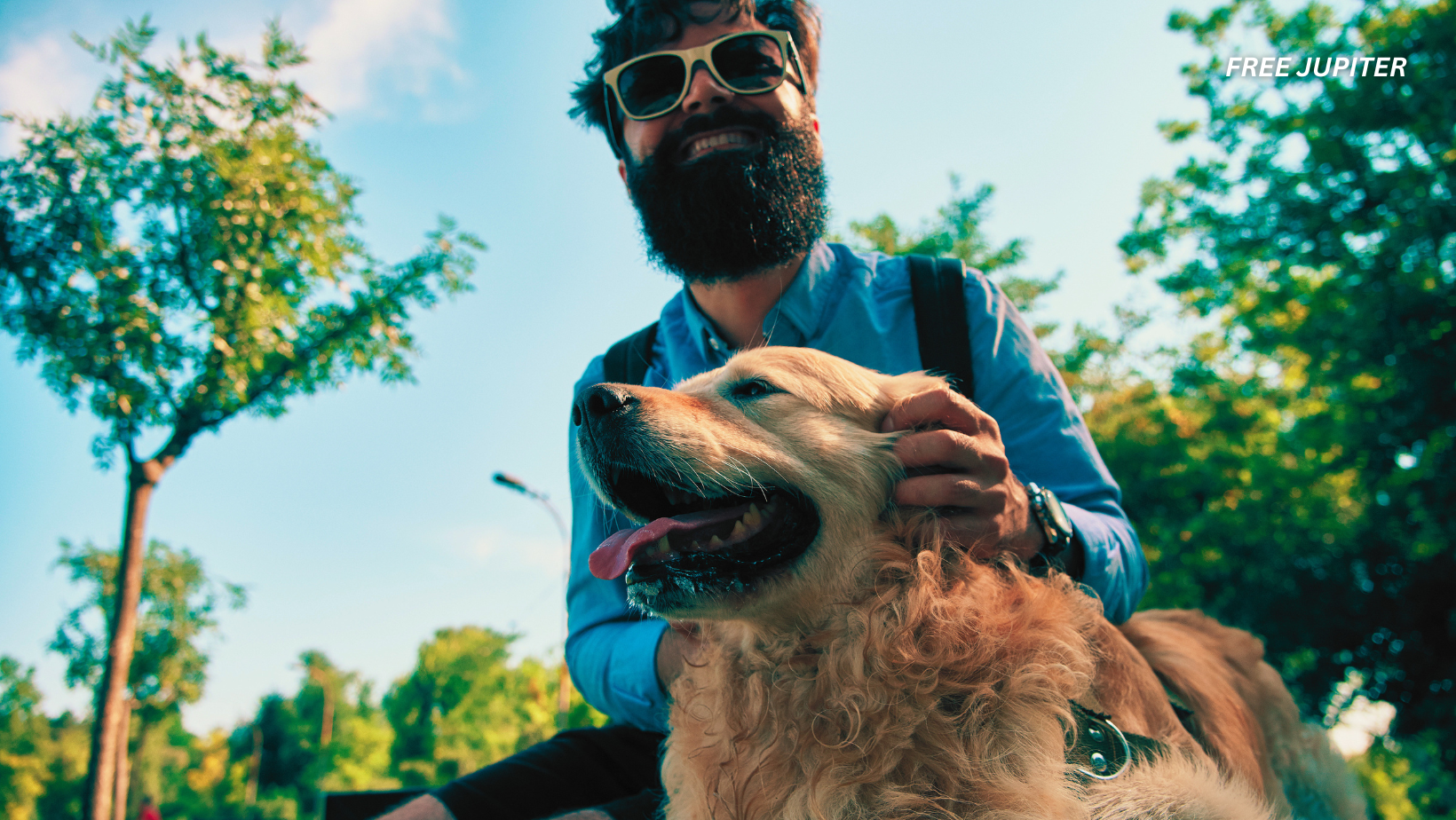
One of the clearest signs of safety is physical relaxation. A dog that feels at ease will not look stiff or alert all the time. Instead, its body softens. The eyes appear gentle rather than wide and watchful. The mouth may sit slightly open, almost like a soft smile. The ears rest in a natural position instead of being pulled back or sharply upright. Even the tail moves in a loose and easy way, rather than staying rigid or tense.
This kind of posture suggests that the dog is not expecting anything bad to happen. There is no need to stay on guard. A relaxed dog looks like it has settled into the moment, as if it knows it is exactly where it is supposed to be.
Sleep Comes Easily and Deeply
Sleep is more revealing than many people realize. Dogs spend a large part of their day resting, but the quality of that rest matters. Organizations like the American Kennel Club have noted that a dog’s sleeping patterns can reflect its emotional state.
A dog that feels safe will lie down without hesitation and drift into sleep with little effort. It may stretch out fully or even expose its belly, which is a vulnerable position. These small choices signal trust. The dog believes that nothing in its environment will harm it.
On the other hand, a dog that struggles to settle or wakes up frequently may still feel uncertain. Light, restless sleep often means the mind is still on alert, even during rest.
They Choose to Be Near You
Affection in dogs is not only about love. It is also about trust. When a dog approaches you on its own, leans in for contact, or simply chooses to stay nearby, it is making a meaningful decision.
This behavior shows that your presence feels safe. The key detail is willingness. A dog that comes to you freely is very different from one that pulls away or stiffens when touched. In one case, the dog is seeking connection. In the other, it is tolerating it.
A secure dog does not just accept attention. It invites it.
Mealtime Feels Calm, Not Competitive
Food can reveal a lot about a dog’s inner state. Studies published in Preventive Veterinary Medicine have found that anxious or fearful dogs are more likely to guard their food, eat too quickly, or show signs of stress during meals.
A dog that feels safe will approach food without urgency or defensiveness. It eats at a steady pace and does not react aggressively if someone is nearby. There is no sense of scarcity or competition.
This calm behavior suggests that the dog trusts its environment to provide what it needs. It does not feel the need to protect its resources because it believes there will always be enough.
Read more: Meet the Sand Cat, a Rare Feline That Barks Just Like a Dog Does
Curiosity Starts to Show
Curiosity is often overlooked, but it is a powerful sign of emotional safety. A dog that feels secure has the mental space to explore, play, and engage with its surroundings.
Playfulness returns when fear fades. You may notice your dog investigating new objects, responding to sounds with interest rather than alarm, or initiating games. These moments may seem simple, but they reflect a deeper shift. The dog is no longer focused on potential threats. It is beginning to enjoy life.
A stressed dog rarely shows curiosity. Its energy is spent on staying alert. When curiosity appears, it signals that the dog feels safe enough to look outward instead of constantly watching its back.
They Recover Quickly From Small Surprises
Even in a safe home, unexpected things happen. A door might slam, a loud noise might break the silence, or a stranger might pass by. What matters is not the reaction itself, but how quickly the dog returns to a calm state.
A secure dog may startle for a moment, but it recovers without lingering fear. Its body relaxes again, and it resumes whatever it was doing. This ability to bounce back shows resilience and trust.
A dog that remains tense long after a small disturbance may still feel uncertain about its environment. Safety allows for quicker emotional recovery because the dog believes that sudden events are not lasting threats.
Building a Sense of Safety Takes Time
If your dog does not show all of these signs yet, it does not mean something is wrong. Safety is not built overnight. It grows through consistency, patience, and clear communication.
Trainer Joe Nutkins emphasizes the importance of routine, though not in a rigid or time driven way. What matters more is the pattern of daily life. Feeding, walks, playtime, and rest should follow a predictable rhythm. The dog learns what to expect and when to expect it.
Over time, this predictability reduces uncertainty. The world begins to feel stable, and the dog can relax into that stability.
Read more: A Rare Batch Of Genius Dogs Can Learn New Words Just by Listening In, According to a New Study
A Safe Dog Is a Calm Dog
At its core, safety in dogs is not loud or dramatic. It does not announce itself. Instead, it appears in everyday moments. A soft gaze, a deep stretch before sleep, a gentle nudge for attention. These small signals add up to something meaningful.
When a dog feels safe, it is not constantly scanning for danger. It is present. It trusts. It rests.
And perhaps most importantly, it chooses to be itself.
Understanding these signs can change the way you see your dog. What once looked like ordinary behavior may reveal a deeper story about comfort, trust, and emotional well being. In that sense, learning to read your dog is less about training and more about paying attention.
Because when a dog finally feels safe, you can see it without a single word being spoken.
Featured image: Freepik.
Friendly Note: FreeJupiter.com shares general information for curious minds. Please fact-check all claims and double-check health info with a qualified professional. 🌱