
Artificial intelligence has become one of the biggest talking points in modern filmmaking. From digitally recreating actors to helping studios polish visual effects, AI technology is now woven into many parts of Hollywood production. But while filmmakers continue experimenting with these tools, the organization behind the Academy Awards has decided that some creative boundaries should remain firmly human.
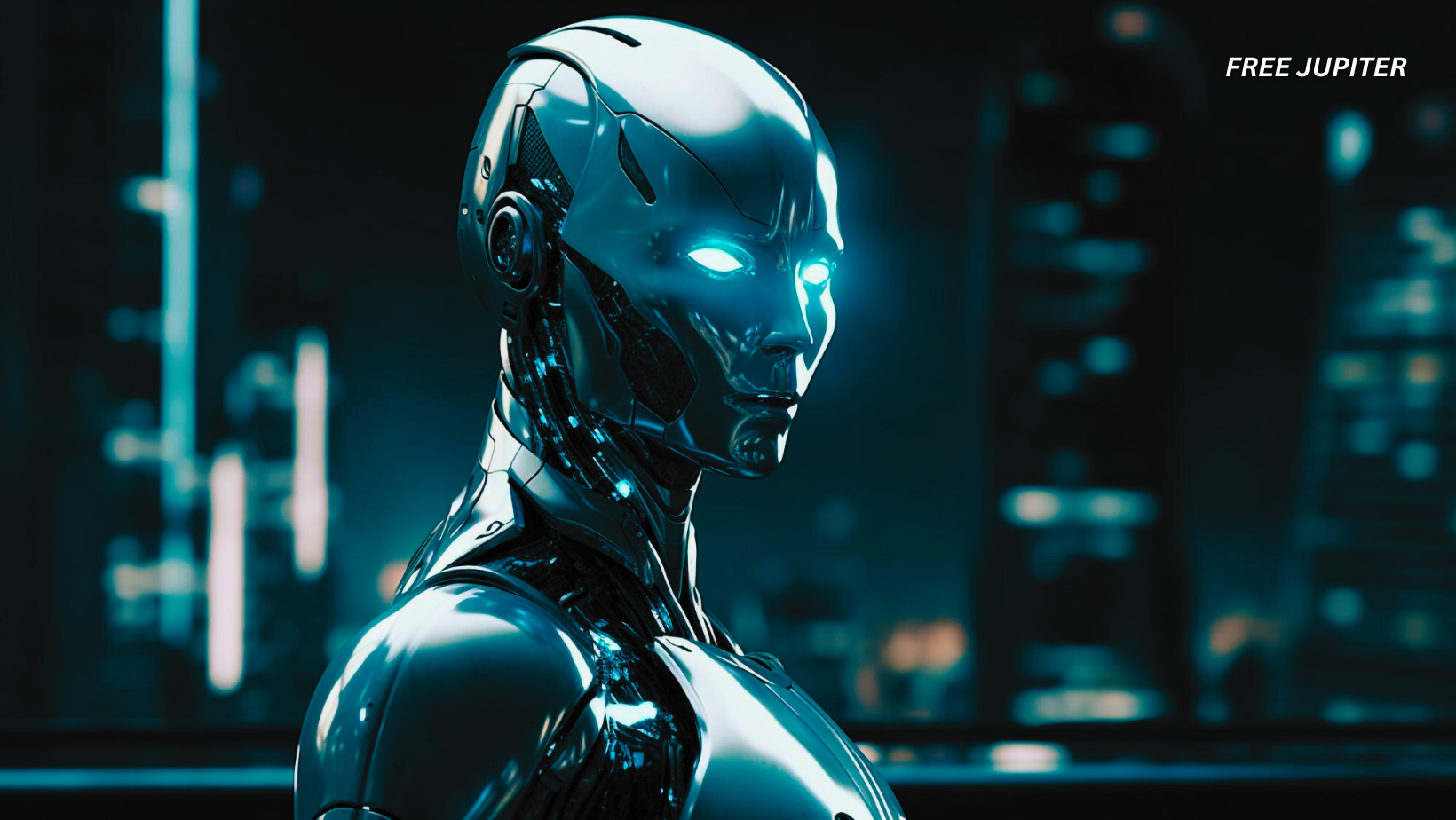
The Academy recently introduced a new set of rules addressing how AI can be used in movies competing for Oscars. The decision arrives at a time when AI generated content is becoming increasingly sophisticated, raising difficult questions about originality, authorship, and the future of artistic work in cinema.
The updated rules do not completely ban artificial intelligence from films. Instead, they place restrictions on how AI can contribute to the most important creative categories, particularly acting and screenwriting. The message from the Academy appears clear. Technology may assist the filmmaking process, but human creativity must remain at the center of any project hoping to earn Hollywood’s highest honors.
Read more: Expert Reveals 3 Ways to Stop Constant Sounds From Hijacking Your Brain
Human Actors Must Still Lead Performances
One of the biggest changes involves acting categories. According to the new guidelines, Oscar eligible performances must come from real human actors who knowingly participated in the role. Fully AI generated performances, even highly realistic digital recreations, will not qualify for acting awards.
This rule reflects growing concerns across the entertainment industry. Advances in AI have made it possible to create convincing digital humans that can mimic facial expressions, voices, and movement with astonishing precision. Some studios have even experimented with recreating deceased actors or digitally altering performers to appear younger.
While these innovations can be visually impressive, they have also sparked debate about ethics and authenticity. Many actors worry about losing control over their likeness or having their image copied without proper consent. Others fear a future where studios rely more on algorithms than performers.
The Academy’s updated policy attempts to address those fears by reinforcing the importance of genuine human performances. If a role is generated entirely by AI, it no longer meets the standards for Oscar recognition.
AI Written Scripts Are Also Excluded
Screenwriting has become another major battleground in the AI conversation. Under the new rules, scripts must be written by humans to qualify for Academy Awards consideration.
This does not mean writers are forbidden from using AI tools altogether. Programs like ChatGPT may still assist with brainstorming, editing, or organizing ideas. However, a screenplay produced entirely by artificial intelligence will not be eligible for Oscar competition.
The distinction may sound subtle, but it carries major implications. The Academy appears to recognize that technology can be useful during the creative process, while also insisting that storytelling itself should come from human imagination and emotional experience.
Many writers have expressed concern that studios could eventually use AI to mass produce scripts, reducing opportunities for professional screenwriters. The Academy’s decision sends a signal that original storytelling still holds cultural and artistic value beyond what automated systems can generate.
AI Is Not Completely Forbidden in Filmmaking
Despite headlines suggesting otherwise, artificial intelligence has not been fully banned from Oscar eligible movies. AI tools can still be used in several technical areas of production.
Visual effects remain one of the clearest examples. Hollywood has relied on advanced digital technology for decades. AI powered systems are already used to smooth edits, improve sound quality, enhance visual details, and create realistic special effects.
Modern films often use digital techniques to de age actors, remove production flaws, or blend complex action scenes together. These methods are still acceptable under the Academy’s updated guidelines because they support human performances rather than replace them.
The Academy’s position appears to focus less on banning technology and more on preserving human authorship. AI may assist the process, but the heart of the film must still belong to people.
Why Hollywood Is Reacting Now
The timing of these new rules is not accidental. Generative AI has evolved at an astonishing pace over the past few years. Tools capable of creating lifelike voices, digital faces, and full written scenes have become widely available, making it easier than ever to blur the line between human and machine made art.
Several high profile projects in recent years intensified public discussion around AI generated performances. Digital recreations of actors who had passed away sparked fascination among audiences, but they also raised ethical concerns about consent and artistic integrity.
At the same time, labor unions representing actors and writers pushed for stronger protections against AI use in entertainment. Many creative professionals fear that studios could replace workers with automated systems in pursuit of lower production costs.
The Academy’s rule changes reflect these growing anxieties. By setting limits now, Hollywood is attempting to establish standards before AI technology becomes even more advanced.
The Rules Still Leave Room for Interpretation
Although the Academy has introduced clearer guidelines, the situation is far from simple. The rules are not entirely rigid, and some gray areas remain.
For example, what happens if a writer uses AI generated material as a rough draft but later rewrites most of it by hand? What if AI helps shape dialogue suggestions or scene structures during development?
The Academy has indicated that it may request additional information from studios regarding how AI contributed to a film. Rather than relying on strict technical definitions, the organization seems more focused on determining whether human creators remained central to the artistic process.
This flexible approach gives the Academy room to adapt as technology evolves. At the same time, it may lead to future debates over where exactly the line between assistance and replacement should be drawn.
Read more: AI Is Showing Signs Of Self-Preservation, Says The Godfather Of AI
A Turning Point for the Future of Cinema
The Academy’s decision represents more than a simple rule update. It reflects a larger cultural debate about creativity in the age of artificial intelligence.
Supporters of AI argue that these tools can expand artistic possibilities and make filmmaking more efficient. Critics worry that overreliance on automation could weaken originality and reduce opportunities for human artists.
Hollywood now finds itself balancing technological innovation with the preservation of artistic identity. The entertainment industry has always embraced new tools, from computer generated imagery to digital editing systems. Yet AI introduces something fundamentally different because it can imitate creative behavior itself.
That distinction explains why the conversation has become so emotionally charged. Films are not merely technical products. They are expressions of human perspective, emotion, memory, and imagination. Many people believe those qualities cannot be fully replicated by algorithms.
The Academy’s updated policies suggest that, at least for now, Hollywood agrees. Artificial intelligence may continue reshaping the filmmaking process, but when it comes to Oscar recognition, human creativity still takes center stage.
Featured image: Freepik.
Friendly Note: FreeJupiter.com shares general information for curious minds. Please fact-check all claims and double-check health info with a qualified professional. 🌱