

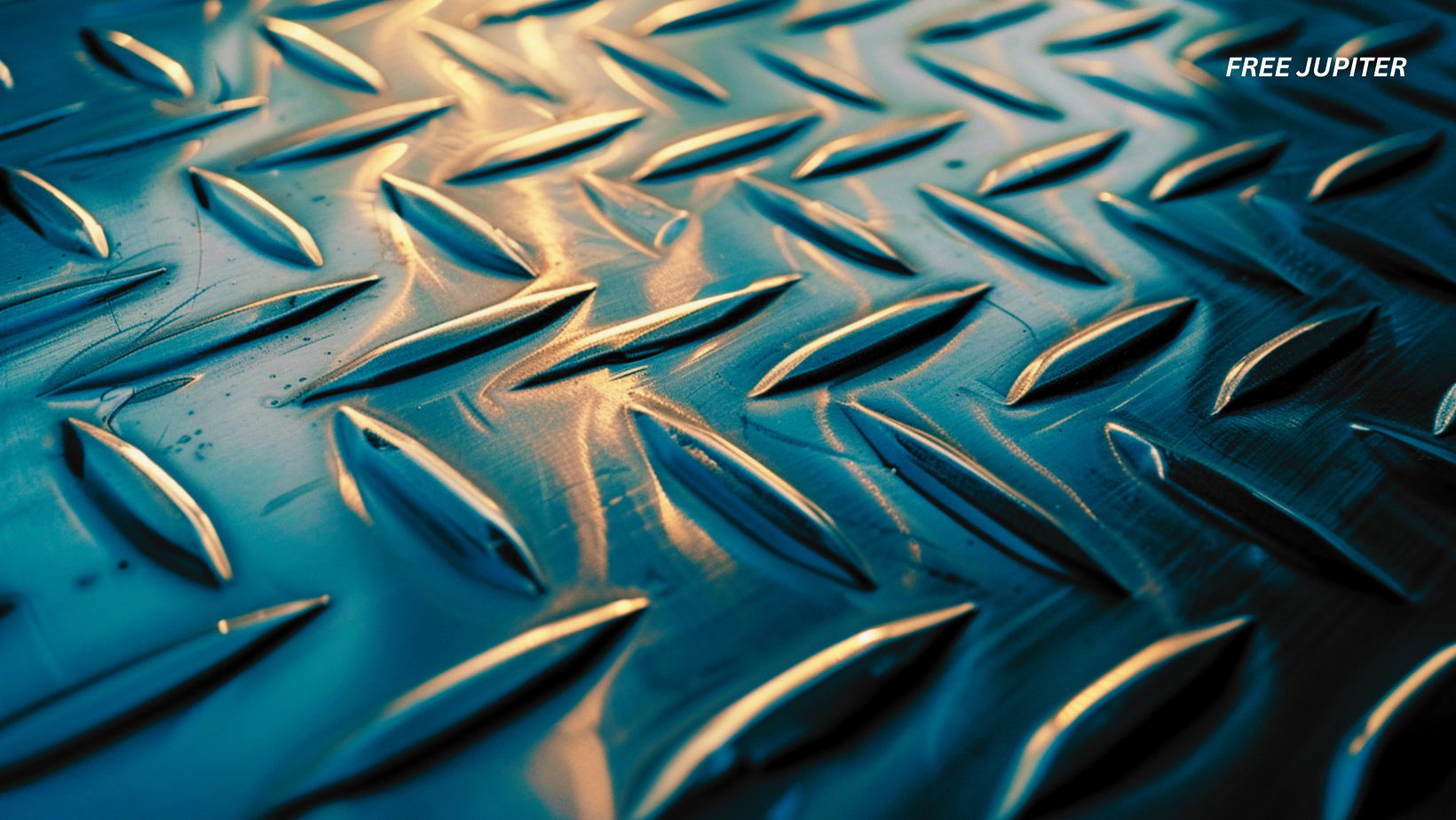
A team of scientists has developed a new type of steel that is not only extremely strong but also highly resistant to rust. At first glance, that may sound like a small improvement. In reality, it could reshape how everything from airplanes to ships to industrial tools is made.
To understand why this matters, it helps to start with how modern metal manufacturing has been evolving, especially with the rise of 3D printing.
Why 3D Printing Metal Is Both Promising and Problematic
3D printing has already transformed industries by allowing engineers to create shapes that would be difficult or even impossible using traditional tools. Instead of cutting or molding metal into shape, printers build objects layer by layer. This approach reduces waste, speeds up production, and allows for highly intricate designs.
However, there has always been a catch.
Most metals used in 3D printing today were not originally designed for it. They were created decades ago for processes like casting or forging. These older methods involve very different heating and cooling conditions compared to 3D printing.
Because of this mismatch, problems often appear. Materials can develop internal defects, lose strength, or behave unpredictably when exposed to the intense and rapid heating cycles used in modern printing techniques. One widely used method, known as laser powder bed fusion, relies on melting tiny metal particles with a laser. While effective, it places extreme stress on the material as it rapidly heats and cools.
In simple terms, engineers have been trying to fit old materials into a new system. It works, but not perfectly.
Designing a Metal Specifically for 3D Printing
Instead of continuing to adapt existing metals, researchers decided to take a different path. They designed a new alloy from the ground up, focusing on how it would behave during the 3D printing process itself.
To do this, they turned to a form of artificial intelligence known as interpretable machine learning. Unlike traditional trial and error approaches, this method allows scientists to analyze patterns and predict outcomes based on large amounts of data.
The system examined dozens of fundamental properties of different elements. These included factors such as atomic size, electron behavior, and how atoms interact with one another. By studying these characteristics, the model was able to suggest a precise combination of elements that would result in a strong and stable material.
What makes this approach notable is that the algorithm did not just focus on the final product. It also considered how the material would respond during the printing process itself. That detail is crucial, since many issues in 3D printed metals arise during fabrication rather than after.
The Result: A Stronger and More Flexible Steel
The alloy created through this method turned out to be remarkably effective.
According to the model’s predictions, the steel could handle very high levels of stress while still maintaining flexibility. In practical terms, this means it can endure heavy loads without breaking and can stretch to absorb impacts instead of cracking.
When the researchers produced the material using 3D printing and tested it in real conditions, the results closely matched the predictions. This alignment between theory and experiment is significant because it confirms that the design method is reliable.
Compared to typical 3D printed metals, the new alloy showed a major improvement in strength. At the same time, its ability to bend without breaking was greatly enhanced. This combination is often difficult to achieve, as materials that are very strong can sometimes be brittle.
What Makes This Steel Resist Rust
Strength alone is not what makes this material stand out. Its resistance to corrosion is equally important.
Rust forms when metal reacts with oxygen and moisture over time. This process weakens structures and leads to costly maintenance or replacements. Industries that operate in harsh environments, such as those involving seawater or high humidity, are especially affected.
The newly developed steel addresses this issue by maintaining a very low rate of degradation. Tests showed that it wears down at a much slower pace than many commonly used stainless steels.
This durability opens the door to a wide range of applications. Components made from this material could last longer and require less upkeep, especially in environments where exposure to water is unavoidable.
Read more: Bizarre Metal From Outside Our World Spotted in Ancient Treasure Stash
A Closer Look at the Heat Treatment Process
Another key factor behind the alloy’s performance lies in how it is treated after printing.
The researchers applied a relatively short heat treatment process, lasting only a few hours. During this stage, extremely small particles form within the metal. These particles are made up of elements like copper and combinations of nickel and aluminum.
Although tiny, these particles play a big role. They act as barriers that prevent defects from spreading through the material. In effect, they strengthen the internal structure and improve overall performance.
This step is particularly important because it enhances the metal without requiring long or complex processing. That makes the entire production method more efficient and cost effective.
Why This Matters for Industry
The implications of this development are far reaching.
In aerospace, materials must be both lightweight and strong while also resisting extreme environmental conditions. A steel that meets all these requirements could improve safety and performance while reducing maintenance costs.
In marine applications, corrosion resistance is critical. Ships, offshore platforms, and underwater equipment are constantly exposed to saltwater, which accelerates rust. A more durable material could significantly extend the lifespan of these structures.
Even outside these sectors, the benefits are clear. Manufacturing processes could become faster and more flexible, with fewer limitations imposed by material weaknesses.
A New Way to Discover Materials
Beyond the alloy itself, the method used to create it may be just as important.
Traditionally, developing new materials has been a slow and expensive process. Scientists would test different combinations of elements, often relying on intuition and experience. This trial and error approach could take years.
By using machine learning to guide the process, researchers can explore possibilities much more efficiently. The system can analyze patterns that might be difficult for humans to detect and suggest combinations that are more likely to succeed.
That said, the approach is not entirely universal. Each type of material requires its own set of parameters and adjustments. Even so, the success of this study suggests that similar methods could be applied to other classes of materials in the future.
Read more: Five Scientists Have Mysteriously Vanished, and the Mystery Is Still Growing Nationwide
Looking Ahead
The creation of this rust resistant, high strength steel represents a meaningful step forward in both materials science and manufacturing.
It shows what can happen when modern computational tools are combined with traditional engineering knowledge. Instead of adapting old materials to new technologies, scientists are now able to design materials that are perfectly suited for the task from the start.
As 3D printing continues to grow, innovations like this could help unlock its full potential. The ability to produce stronger, longer lasting components with greater efficiency may lead to changes across multiple industries.
For now, the alloy stands as a promising example of how technology can reshape even the most established materials. Steel has been a cornerstone of human development for centuries. With the help of advanced design techniques, it seems that its story is far from over.
Featured image: Freepik.
Friendly Note: FreeJupiter.com shares general information for curious minds. Please fact-check all claims and double-check health info with a qualified professional. 🌱