
For decades, glioblastoma has remained one of the most difficult cancers to treat. Even with surgery, radiation and chemotherapy, the disease almost always returns, leaving patients and doctors with few effective options.
Now, researchers in Canada are exploring whether a familiar vitamin found in many foods and supplements could help the body’s own immune system fight back.
Early findings from a clinical trial suggest that high doses of vitamin B3—better known as niacin—may improve outcomes for people with glioblastoma when used alongside standard treatment. While the research is still in its early stages, scientists say the results are promising enough to continue studying this approach.
A Diagnosis That Changed Everything
Edward Waldner knew something wasn’t right long before he received a diagnosis.
At 55 years old, he found himself exhausted almost every day. It didn’t matter whether he had been active or resting—he constantly felt drained. At first, he wondered if sleep apnea might be causing his fatigue.
Then other symptoms began to appear.
His walking became slightly different, and he occasionally noticed his heels dragging across the ground. Although the changes were subtle, they became difficult to ignore.
Eventually, his symptoms worsened enough that he went to the emergency department.
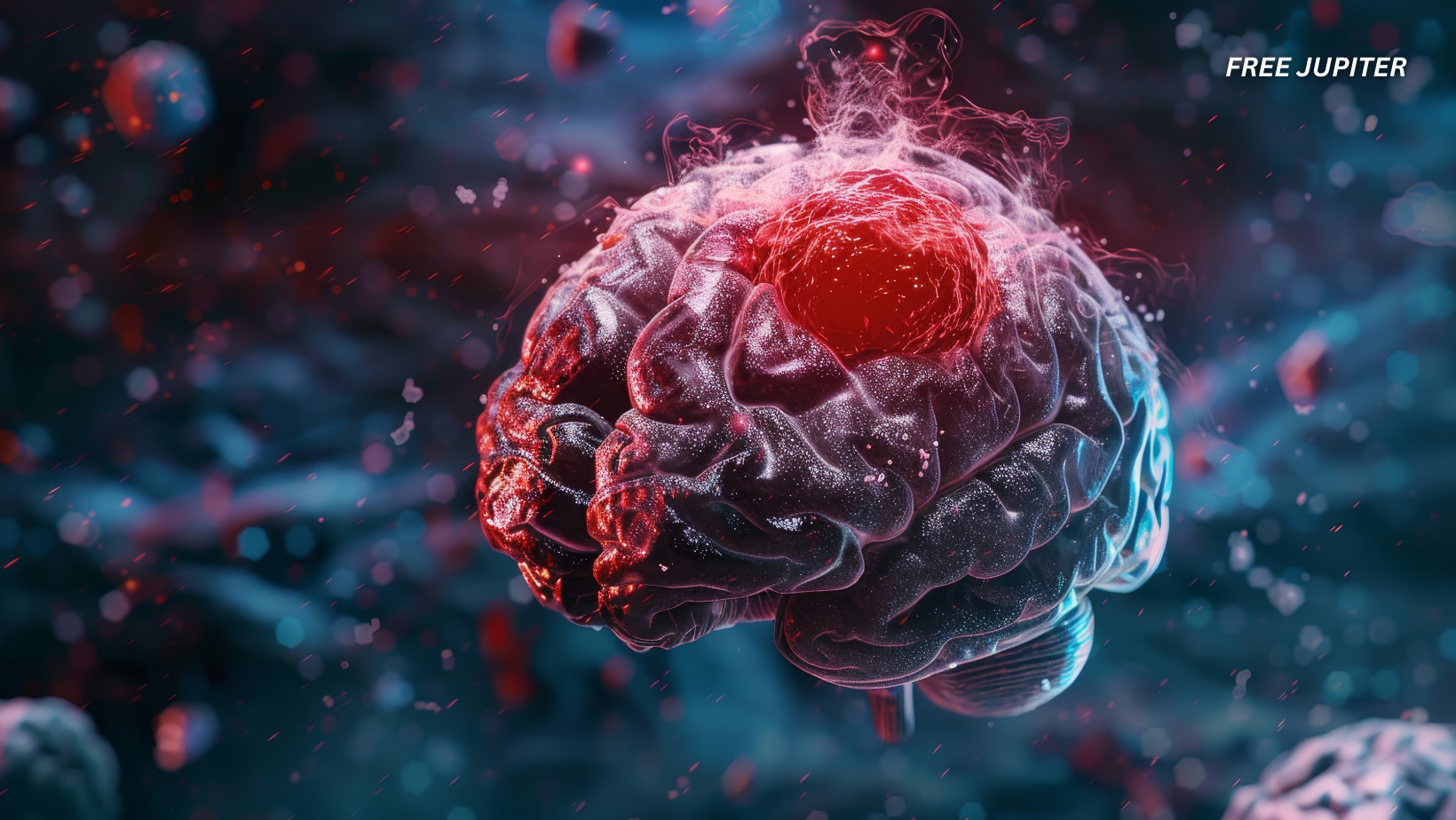
There, doctors performed imaging scans that revealed a mass on his brain.
“The doctor said I had a mass on my brain and needed to see an oncologist,” Waldner recalled.
Further testing confirmed the diagnosis: glioblastoma.
Why Glioblastoma Is So Difficult to Treat
Glioblastoma is the most common aggressive brain cancer in adults and is considered one of the deadliest.
Treatment usually begins with surgery to remove as much of the tumor as possible. Patients then receive radiation therapy along with chemotherapy in an effort to destroy any remaining cancer cells.
Although these treatments can slow the disease, glioblastoma almost always returns. For many patients, treatment options become increasingly limited once that happens.
According to Dr. Gloria Roldan Urgoiti, a brain cancer specialist at the University of Calgary’s Cumming School of Medicine, progress against this disease has been frustratingly slow.
“Glioblastoma is the most aggressive brain cancer in adults,” she said. “Survival of patients with this condition hasn’t changed significantly for 20 years.”
That reality has motivated researchers to search for completely new treatment strategies.
Could Vitamin B3 Help?
Instead of developing another chemotherapy drug, scientists at the University of Calgary wondered whether they could help the body’s own immune system fight the cancer more effectively.
Their attention turned to vitamin B3, also known as niacin.
Niacin is best known for helping the body convert food into energy and supporting healthy skin and nerves. But researchers suspected it might also influence how immune cells behave inside the brain.
After Waldner underwent surgery, doctors invited him to join a clinical trial testing controlled-release niacin alongside the standard combination of radiation therapy and chemotherapy.
He didn’t hesitate.
“I have no problem trying to help anybody,” Waldner said. “I agreed. I want to help myself too.”
Participating in the study also gave him something equally important: hope.
“I can tell you being part of this research helps me mentally because we’re trying,” he said. “When I left the hospital after surgery I was told, that’s it, that’s all we can do.”
Helping the Immune System Fight Back
The study is led by Dr. Gloria Roldan Urgoiti and neuroscientist Dr. Wee Yong, both members of the University of Calgary’s Hotchkiss Brain Institute and Arnie Charbonneau Cancer Institute.
Rather than attacking cancer cells directly, their approach focuses on strengthening the immune system.
Normally, immune cells recognize and destroy abnormal cells before they become dangerous. Glioblastoma, however, has developed ways to weaken those defenses, allowing the tumor to grow while escaping immune attack.
According to Yong, that’s where niacin may make a difference.
“Normally the immune system will try to counter and prevent tumor growth, however, this brain cancer suppresses the immune system,” Yong explained.
He believes niacin may help restore those weakened immune cells so they can resume their normal job.
“Niacin treatment rejuvenates immune cells so they can do what they are supposed to do—attack and kill the cancer cells,” he said. “I see it as an ongoing ‘battle for the brain.'”
From Laboratory Mice to Human Patients
The research did not begin in people.
The team first studied niacin in laboratory mice with glioblastoma. Those early experiments suggested the vitamin helped extend survival, giving researchers enough confidence to move into human clinical trials.
The current study is a combined Phase I and Phase II clinical trial.
One goal is to determine the highest dose of controlled-release niacin that patients can safely tolerate.
The second goal is to find out whether adding niacin to existing treatments improves outcomes compared with standard therapy alone.
Before the study even began, researchers established a clear benchmark for success.
If patients did not show at least a 20% improvement in progression-free survival after six months compared with previous studies, the trial would not continue.
Progression-free survival refers to the length of time patients live without their cancer getting worse.
Encouraging Early Findings
So far, the results have exceeded researchers’ expectations.
Among the first 24 patients enrolled, 82% showed no evidence that their cancer had progressed after six months.
That represents a 28% improvement over results seen in earlier studies using standard treatment alone.
Although these findings do not prove that niacin works, they suggest the vitamin deserves further investigation.
For a disease that has seen very few advances over the past two decades, even modest improvements are considered meaningful.
Researchers recently published the early findings in the Journal of Neuro-Oncology.
Why Patients Shouldn’t Self-Treat
While the results have generated excitement, the researchers emphasize that patients should not begin taking large amounts of niacin on their own.
High-dose vitamin supplements are not automatically safe simply because they are sold over the counter.
Large doses of niacin can cause serious side effects, including liver damage, stomach problems, flushing, low blood pressure and changes in blood sugar.
For that reason, everyone in the study receives carefully monitored doses under strict medical supervision.
As Dr. Roldan Urgoiti noted, “Anything that may help should be explored but it requires strict protocols and safety monitoring.”
Researchers stress that this study does not mean vitamin B3 is currently an approved treatment for glioblastoma.
More research is still needed.
The Study Continues
The clinical trial is ongoing.
Researchers plan to enroll a total of 48 participants before performing a final analysis, which they hope to complete by late 2026 or early 2027.
If the encouraging early results continue, larger clinical trials will likely follow to determine whether the treatment truly improves survival.
Those future studies will also help doctors understand which patients may benefit the most and whether niacin should eventually become part of standard glioblastoma care.
One Word That Means Everything
For Waldner, every follow-up appointment carries a mix of hope and uncertainty.
Like many people living with glioblastoma, he undergoes regular brain scans to monitor whether the cancer has returned.
So far, the news has been encouraging.
The word he hopes to hear every time is simple.
Stable.
While researchers continue searching for better treatments, that single word represents precious time—time with family, time to enjoy life and time for science to keep moving forward.
Although vitamin B3 is far from becoming a cure, these early results suggest that helping the immune system may become an important new strategy in the fight against one of medicine’s most challenging cancers.
Featured image: Magnific
Friendly Note: FreeJupiter.com shares general information for curious minds. Please fact-check all claims and double-check health info with a qualified professional. Read our health-related content disclaimer here. 🌱