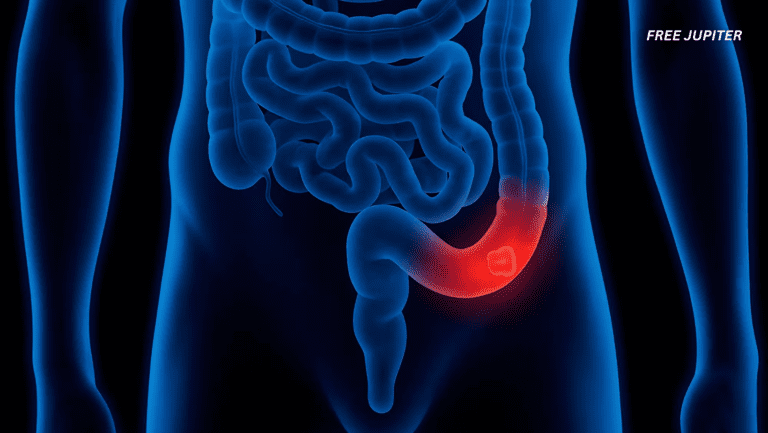

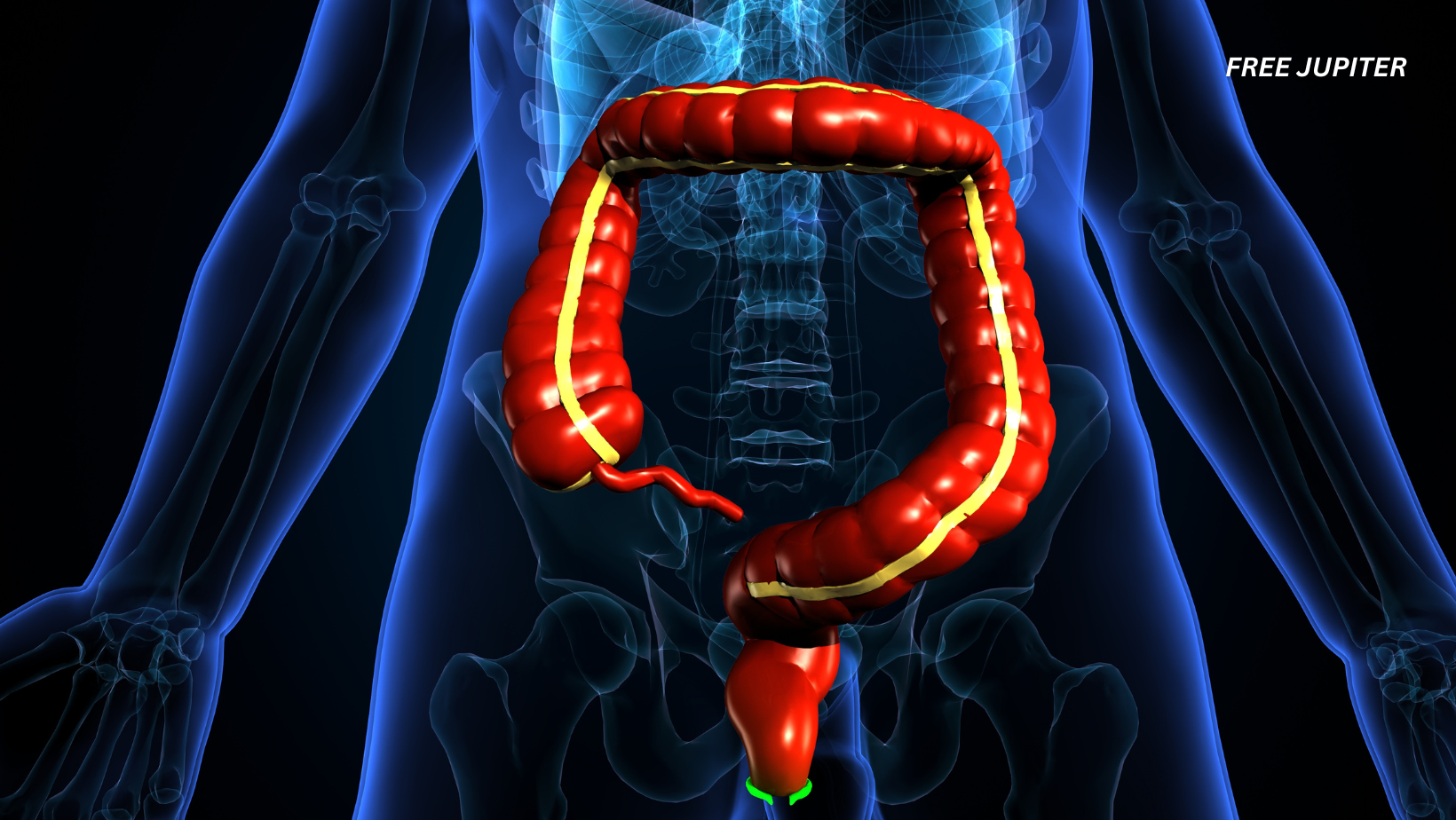
Colorectal cancer is one of the most serious cancers in the United States. It is currently the country’s second-leading cause of cancer-related death. At the same time, doctors and researchers have become increasingly concerned about the steady rise in cases among people younger than 50.
There is no single explanation for this trend. Genetics, weight, physical activity, alcohol use, environmental exposures and access to screening may all play a role. However, researchers are also examining the influence of the typical Western diet, which is often high in processed meat, added sugar, refined grains and heavily processed packaged foods.
The encouraging news is that an estimated 55% of colorectal cancers may be preventable through changes in diet and lifestyle. This does not mean that one food will either cause or prevent cancer. Risk develops over time and is affected by a person’s overall eating pattern, health history and daily habits.
Still, the evidence suggests that regularly eating large amounts of certain foods may raise the likelihood of developing colorectal cancer. Understanding those associations can help people make more informed decisions without becoming frightened by every alarming food headline.
1. Processed and Deli Meats
Processed meats include foods such as bacon, hot dogs, sausage, salami and bologna. Deli turkey and roast beef can also fall into this category when they have been cured, salted or preserved, although the evidence connecting these particular products to colorectal cancer is not as strong.
The International Agency for Research on Cancer, which is part of the World Health Organization, classifies processed meat as carcinogenic to humans. Red meat is classified as probably carcinogenic. These classifications are largely based on research connecting frequent consumption with colorectal cancer.
One concern involves nitrates and nitrites, which are commonly used to preserve processed meat. Inside the body, these substances may be converted into compounds known as N-nitroso compounds. These compounds can potentially damage the cells that line the bowel.
Cooking methods may add another layer of risk. Grilling, frying, smoking or charring meat at very high temperatures can produce heterocyclic amines and polycyclic aromatic hydrocarbons. These substances have been studied for their ability to damage cells and possibly contribute to cancer development.
This does not mean that eating one hot dog or a few slices of bacon will cause cancer. The concern is mainly about repeated exposure over many years.
As Angie Boxberger, M.S., RD, CSO, explains, “Processed meats are best eaten as minimally as possible—more of a ‘sometimes’ food rather than something in your regular rotation.”
Replacing processed meats more often with fish, chicken, eggs, beans or lentils is one of the clearest dietary steps people can take.
2. Ultra-Processed Packaged Foods
Ultra-processed foods have become a major topic in nutrition research, although the term is sometimes confusing.
These foods are generally made through industrial processes and often contain ingredients that would not usually be found in a home kitchen. Common examples include packaged cookies, chips, sweetened cereals, crackers, fast food and many frozen prepared meals.
Karen Collins, M.S., RDN, CDN, FAND, explains, “Ultra-processed foods are products that are made using industrial methods to break down whole foods and combine them with other substances not typically used in home cooking.”
However, she also warns against treating every ultra-processed food as equally harmful.
“Not all UPFs show the same association with risk of cancer and other health problems, and research is starting to differentiate among types of UPFs instead of grouping them all together,” Collins says.
This distinction matters. A packaged whole-grain bread, for example, is not nutritionally identical to a sugary pastry or bag of flavored chips, even though both may technically be classified as processed.
Collins adds, “More research is needed to pinpoint which types of UPFs and UPF ingredients are most concerning.”
Current evidence suggests that risk may rise as nutrient-poor ultra-processed foods take up a larger share of the diet. People do not necessarily need to remove every packaged product from their homes. A more realistic goal is to reduce foods that are high in salt, added sugar or unhealthy fats while offering little fiber, protein or nutritional value.
“The best advice is to check the figures on the Nutrition Facts panel on food labels and focus first on cutting back on UPFs that are low in nutrient value and high in added sugar, salt or fat,” Collins says. “Small reductions can add up and support better health.”
3. Foods and Drinks High in Added Sugar
Added sugar is found in far more than candy and desserts. It can also appear in flavored yogurt, breakfast bars, sauces, sweetened cereal, bottled drinks and condiments.
Sugar itself has not been proven to directly cause colorectal cancer. However, diets high in added sugar, particularly from sugar-sweetened beverages, have been associated with a modest increase in risk.
Boxberger explains, “The research doesn’t show that sugar directly causes colon cancer, but it does show that higher intake of added sugars, especially from sugar-sweetened beverages like soda or sweet tea, is associated with a modest increase in colorectal cancer risk.”
The association may be especially important for younger adults. One large study found that women who consumed two or more sugar-sweetened drinks each day had more than twice the risk of early-onset colorectal cancer compared with women who rarely drank them.
“That doesn’t mean sugar is the sole cause, but it’s likely one piece of a bigger picture,” Boxberger says.
One possible explanation involves the intestinal barrier. The lining of the intestines acts as a protective wall between the body and the substances moving through the digestive system.
“Added sugar can weaken the gut lining,” Boxberger explains. “Think of your intestinal lining as a protective barrier that’s meant to keep things where they belong. Diets high in added sugar can make that barrier a bit ‘leakier,’ which allows inflammatory compounds from the gut to slip into circulation.”
Long-term, low-level inflammation is one of several biological processes associated with colorectal cancer.
Added sugar may also affect the balance of bacteria in the digestive system.
“Added sugar can shift your gut microbiome,” Boxberger says. “When there’s a steady stream of added sugar, it tends to feed the less-helpful bacteria and crowd out the ones we actually want more of—especially the ones that produce compounds like butyrate.”
Butyrate is a short-chain fatty acid created when beneficial gut bacteria break down fiber.
“Butyrate is a big deal for colon health because it helps keep the cells of your colon strong, stable and less prone to abnormal growth,” she explains.
Sugar may also affect the mucus layer that protects the colon.
“Added sugar can wear down the mucus layer that lines the colon,” Boxberger says. “When it thins out, bacteria can get a little too close for comfort, which can trigger more irritation and inflammation over time.”
Excess sugar intake may also contribute to weight gain and problems with blood-sugar control, both of which may influence colorectal cancer risk.
Boxberger recommends focusing first on sweet drinks. “A more helpful takeaway is to look at where added sugars are coming from, especially sweetened drinks, and make sure they’re not crowding out foods that support gut health, like fiber-rich plants.”
4. Refined Grains
White bread, regular pasta, white rice and refined cereals are not poisonous or inherently cancer-causing. Their main disadvantage is what has been removed during processing.
Refining strips away the bran and germ, which contain much of the grain’s fiber, vitamins, minerals and plant compounds.
Fiber is one of the most consistently supported dietary factors for colorectal health. According to the American Institute for Cancer Research, eating roughly three servings, or 90 grams, of whole grains each day is associated with a 17% lower colorectal cancer risk.
Fiber helps waste move through the colon more efficiently, reducing the amount of time potentially harmful substances remain in contact with the intestinal wall. It also feeds beneficial bacteria that produce short-chain fatty acids with anti-inflammatory and possible anticancer properties.
Whole grains additionally contain substances such as polyphenols, lignans, selenium and vitamin E, which may help protect cells from damage.
Switching completely to whole grains overnight is not necessary. Gradual changes may be easier to maintain.
“If you’re not used to the flavor, start by mixing whole and refined grains or incorporating options like quinoa, farro or brown rice into your favorite dishes,” Collins suggests.
5. Large Amounts of Red Meat
Red meat includes beef, pork, lamb and veal. The IARC places red meat in Group 2A, meaning it is considered probably carcinogenic to humans.
This does not mean researchers have proven that red meat causes cancer in every person who eats it. It means that large population studies have found a meaningful association between higher intake and colorectal cancer, although results are not completely consistent across every study.
One study found that eating 76 grams, or about 2.7 ounces, of red or processed meat each day was associated with an approximately 20% increase in colon cancer risk. That is less meat than many people may realize, since even a small restaurant steak often weighs around eight ounces.
“As a general guideline, keeping red meat to around one to two servings per week—with a serving being about 3 to 4 ounces, or roughly the size of a deck of cards—is a reasonable target,” Boxberger says.
Preparation also matters. Grilling or charring meat at very high temperatures can create potentially harmful compounds. Researchers are also studying the possible effects of naturally occurring components in red meat, including heme iron.
People do not necessarily need to eliminate red meat entirely. Keeping portions moderate and eating beans, tofu, lentils, fish or poultry more often may reduce overall risk.
Other Ways to Protect Colorectal Health
Diet is only one part of prevention. Screening is especially important because precancerous polyps can often be found and removed before they become cancerous. The American Cancer Society recommends that adults at average risk begin colorectal cancer screening at age 45.
Regular physical activity also matters. Experts generally recommend at least 150 to 300 minutes of moderate activity each week. Exercise may lower risk by improving insulin sensitivity, reducing inflammation and helping people maintain a healthier weight.
Eating more vegetables, fruits, legumes and whole grains provides fiber, antioxidants and protective plant compounds. Maintaining a healthy body weight is also important, since excess body fat—particularly around the abdomen—is associated with greater colorectal cancer risk.
Alcohol should be limited as much as possible because it is an established colorectal cancer risk factor.
The larger message is that no individual food determines whether someone will develop cancer. What appears to matter most is the overall pattern repeated over months and years.
A colon-friendly diet is built mostly around vegetables, fruit, beans, whole grains, healthy fats and lean protein. Processed meat, sugary drinks, nutrient-poor packaged foods and large portions of red meat are best treated as occasional choices rather than everyday staples.
Featured image: Magnific
Friendly Note: FreeJupiter.com shares general information for curious minds. Please fact-check all claims and double-check health info with a qualified professional. Read our health-related content disclaimer here. 🌱