
When people think about keeping their brain healthy, they often picture crossword puzzles, brain games or expensive supplements. While those things might help in some ways, neurologists say there is one habit that stands out above the rest: regular exercise.
It may sound surprising, but moving your body is one of the best things you can do for your brain.
Johns Hopkins neurologist Dr. Barry Gordon says, “A surprising amount of evidence points to this as the No. 1 thing you can do to improve brain health.”
Exercise won’t guarantee that you’ll never develop dementia or memory problems. But research shows it can lower your risk and help keep your brain working well as you get older.
Why Exercise Helps Your Brain
Your brain needs a constant supply of oxygen and nutrients to work properly. Those are delivered through your blood.
When you exercise, your heart becomes stronger and pumps blood more efficiently. That means your brain gets more of the oxygen and nutrients it needs to stay healthy.
Exercise also helps control several health problems that can damage the brain over time, including:
- High blood pressure
- High cholesterol
- Type 2 diabetes
- Obesity
All of these conditions can damage blood vessels, making it harder for the brain to get the blood it needs. They also increase the risk of stroke and memory loss.
By staying active, you’re protecting both your heart and your brain at the same time.
Exercise Helps Your Brain Build New Connections
One of the amazing things about the brain is that it never stops changing. Throughout your life, it creates new connections whenever you learn something, solve a problem or practice a new skill.
Scientists call this ability neuroplasticity.
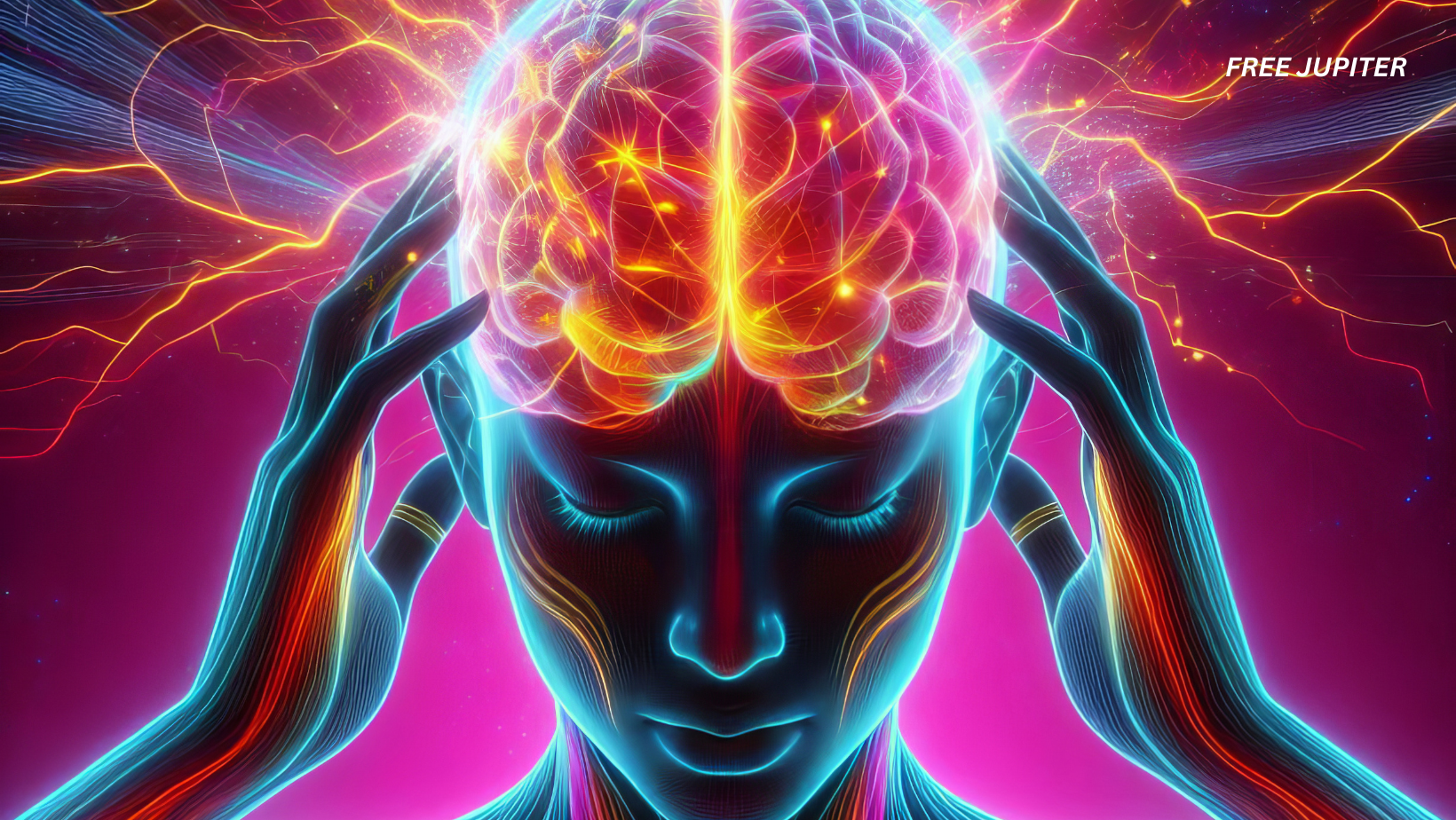
Exercise appears to support this process by increasing levels of a protein called brain-derived neurotrophic factor (BDNF).
BDNF is often described as “fertilizer for the brain” because it helps brain cells grow, survive and communicate with one another.
The more active you are over time, the more you may support your brain’s natural ability to adapt and learn.
It Can Help Your Memory—and Much More
Many people only think about memory when they think about brain health.
But your brain does much more than remember things.
It helps you:
- Focus
- Make decisions
- Solve problems
- Learn new information
- Control your emotions
- Coordinate your movements
As Dr. Gordon explains, “Memory is just a tiny part of brain functioning, and there’s a lot you can do to protect your brain health.”
Research suggests that people who exercise regularly often perform better on tasks involving attention, thinking speed and problem-solving.
Exercise may also help the brain stay stronger as we age.
What Type of Exercise Is Best?
The good news is that you don’t have to become a marathon runner or spend hours in the gym.
The best exercise is the one you’ll actually stick with.
Some great options include:
- Brisk walking
- Riding a bike
- Swimming
- Dancing
- Hiking
- Playing sports
Strength training is also important. Lifting weights, using resistance bands or doing bodyweight exercises like push-ups and squats can help keep your muscles strong while supporting overall health.
Activities that improve balance and coordination—such as yoga or tai chi—may also give your brain an extra workout because they require concentration and body control.
Every Little Bit Counts
Many people think exercise only helps if they work out for an hour every day.
That’s simply not true.
Even small amounts of movement can make a difference.
If you’re just getting started, try taking a 10-minute walk after dinner. Park farther away from the store. Take the stairs instead of the elevator. Walk your dog a little longer.
These small habits add up over time.
Health experts recommend aiming for about 150 minutes of moderate exercise each week. That’s only about 30 minutes a day, five days a week.
You don’t even have to do it all at once. Three 10-minute walks during the day provide many of the same benefits as one 30-minute walk.
Exercise Isn’t the Only Thing That Matters
Although exercise is one of the most powerful things you can do for your brain, it’s only one piece of the puzzle.
Other healthy habits can also help protect your brain.
Get Enough Sleep
Your brain uses sleep to store memories, repair itself and clear away waste products that build up during the day.
Most adults need around seven to nine hours of sleep each night.
Eat Healthy Foods
A diet filled with fruits, vegetables, beans, whole grains, nuts, fish and healthy fats gives your brain the nutrients it needs.
Try to limit highly processed foods, sugary drinks and foods high in saturated fat whenever possible.
Stay Social
Spending time with family and friends doesn’t just improve your mood. It also keeps your brain active and engaged.
Even simple conversations can challenge your brain in healthy ways.
Keep Learning
Your brain likes new challenges.
Reading books, learning a language, playing an instrument, taking a class or trying a new hobby can all help keep your mind sharp.
Don’t Smoke and Limit Alcohol
Smoking damages blood vessels throughout the body, including those that supply the brain.
Drinking too much alcohol can also increase the risk of memory problems over time.
It’s Never Too Late to Start
Some people worry that if they haven’t exercised for years, it’s already too late.
Fortunately, that’s not true.
Research shows that becoming more active later in life can still improve brain health.
You don’t have to be perfect. You just have to start.
Even a short daily walk can improve your fitness, boost your mood and support your brain.
As your strength and confidence grow, you can slowly become more active.
The Bottom Line
There isn’t a magic pill that guarantees a healthy brain.
But if there’s one habit experts consistently recommend, it’s regular exercise.
Moving your body improves blood flow to the brain, helps protect your blood vessels, supports memory and learning, and lowers the risk of many health conditions that can affect brain function.
The best part is that you don’t need fancy equipment or an expensive gym membership.
Whether it’s walking, swimming, dancing, biking or simply spending more time on your feet, every bit of movement helps.
When it comes to protecting your brain for years to come, one of the smartest things you can do is simply get moving.
Featured image: Magnific
Friendly Note: FreeJupiter.com shares general information for curious minds. Please fact-check all claims and double-check health info with a qualified professional. Read our health-related content disclaimer here. 🌱