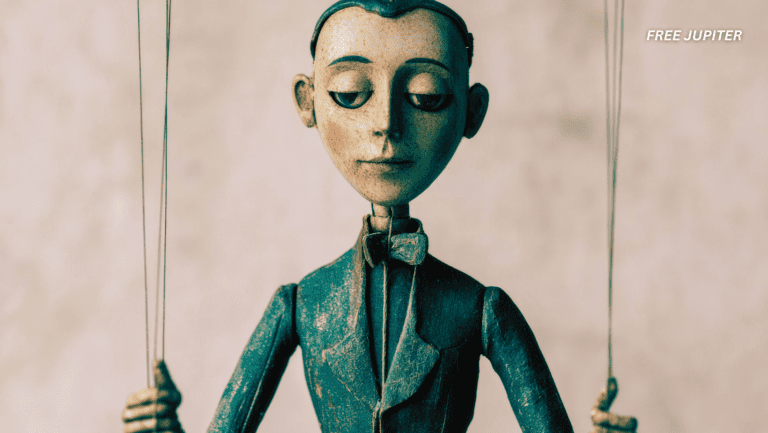


There is a quiet assumption woven into modern culture that a happy life must include a tight inner circle. We are shown images of best friends on vacation, group chats lighting up phones late at night, and weekend plans packed with social events. Friendship is often presented as proof that someone is emotionally healthy and socially successful.
So when we meet someone who has zero close friends and yet appears calm, grounded, and content, it can feel puzzling.
They are not complaining. They are not hinting at loneliness. They go about their routines with steady focus. They invest in their interests. They seem fine.
Psychology suggests that in many cases, they truly are fine. Some individuals are simply wired in ways that make deep social dependence less central to their well being. Their fulfillment is built differently.
Below are nine personality traits commonly found in people who have no close friends yet appear emotionally stable and genuinely at ease.
1. Deep Self Sufficiency
Self sufficiency is more than independence. It is the ability to emotionally support yourself when life becomes complicated.
Most people instinctively look outward when facing stress. They call a friend to vent. They seek reassurance about decisions. They rely on others to validate their feelings. Those who function well without close friends have often developed the skill of processing experiences internally.
They reflect before reacting. They analyze their own thoughts. They comfort themselves through perspective rather than external approval. This does not mean they never feel pain. It means they trust their ability to move through it without constant social reinforcement.
Over time, this internal reliance becomes a stable foundation. Instead of feeling exposed without a support network, they feel capable.
Related article: 15 Signs Your Friendship Might Be More Competition Than Connection
2. A Natural Lean Toward Introversion
Introversion is often confused with social anxiety or shyness. In reality, it is about energy management.
Some people gain energy from social interaction. Others feel mentally drained after prolonged engagement. For strong introverts, solitude is restorative. It allows them to think clearly, regulate emotions, and reconnect with themselves.
When someone like this has zero close friends, it may not feel like a loss. They are not avoiding connection out of fear. They simply do not require constant social input to feel balanced.
Their idea of a satisfying weekend might involve reading, learning, building something, or enjoying silence. To them, that feels rich rather than empty.
3. Selective Approach to Emotional Intimacy
Close friendships require vulnerability. They demand emotional exposure and trust. Not everyone feels naturally inclined to share their inner world frequently.
Some individuals are highly selective about intimacy. They do not open up easily, and they do not rush closeness. They may enjoy conversations and surface level interactions, but deep emotional sharing is reserved for rare situations.
If they have not encountered someone who meets their standards of trust and alignment, they are comfortable remaining independent. They would rather have no close friends than force emotional intimacy that feels unnatural.
This selectivity can result in a small social circle or none at all, yet it does not automatically create distress.
4. Lower Tendency to People Please
People pleasing is often rewarded socially. Agreeing, accommodating, and smoothing over conflict can lead to more friendships. However, individuals who are comfortable without close friends often score lower in this tendency.
They are willing to disagree. They express opinions even if those opinions are unpopular. They do not prioritize harmony at the expense of authenticity.
Because deep friendships often involve compromise and emotional negotiation, someone who strongly values personal independence may form fewer intimate bonds.
This does not mean they lack empathy. It simply means they are less driven by the need to maintain social approval.
5. High Conscientiousness and Goal Orientation
Conscientious individuals are disciplined, organized, and purpose driven. They find satisfaction in progress.
For them, achievement and mastery can provide a strong sense of fulfillment. They may invest significant time in their careers, creative work, studies, or personal development.
When someone is deeply immersed in meaningful goals, maintaining close friendships may not be a priority. Their sense of identity is tied to what they build and learn rather than to who they socialize with.
A weekend spent refining a project or exploring a new skill can feel deeply rewarding. They do not experience that time as socially lacking. They experience it as productive and aligned.
Related article: I Stopped Doing These 10 Things And Suddenly Half My Friends Disappeared
6. Strong Emotional Stability
Emotional stability plays a powerful role in how solitude is perceived.
Individuals with lower levels of emotional volatility do not automatically interpret being alone as rejection. They do not catastrophize the absence of a close friend. Their internal dialogue remains steady.
If plans fall through or social invitations are rare, they do not spiral into self criticism. Instead, they adjust and move forward.
This emotional steadiness protects them from the social comparison that often fuels loneliness. They are less likely to measure their worth by the size of their social circle.
7. Rich Inner World and Intellectual Curiosity
Some people cultivate expansive inner lives. They are curious, reflective, and mentally engaged.
They enjoy learning, thinking deeply, exploring philosophy, studying psychology, or immersing themselves in creative projects.Their minds are active environments filled with ideas.
When someone has a strong intellectual or creative drive, solitude can become an asset. It provides uninterrupted time to explore thoughts and develop skills.
Rather than feeling deprived of conversation, they feel stimulated by discovery. Their curiosity acts as a companion that does not disappoint.
8. Clear and Firm Personal Boundaries
Maintaining friendships often requires emotional labor. Some relationships are nourishing, but others can be draining or misaligned.
People who thrive without close friends tend to have strong boundaries. If a relationship feels one sided, toxic, or incompatible with their values, they step away.
They do not maintain closeness out of obligation. They would rather have zero close friends than invest energy in connections that undermine their well being.
This boundary awareness can significantly reduce social quantity, but it protects emotional quality.
9. High Self Awareness and Acceptance
Perhaps the most defining trait is self awareness.
These individuals understand their temperament. They know how much social interaction feels healthy and how much feels excessive. They are not trying to match someone else’s definition of success or belonging.
Self awareness allows them to accept their differences. They do not force themselves into social patterns that feel draining simply to fit expectations.
Instead, they design a lifestyle aligned with their natural rhythm. That alignment often produces calm rather than conflict.
Related article: 9 Clear Boundaries Every Man Needs to Set With Female Friends
Final Thoughts
The idea that a fulfilling life must include a best friend or tight social circle is overly simplistic. Human personalities are complex and diverse.
Traits such as self sufficiency, introversion, emotional stability, strong boundaries, and self awareness can create a life that feels complete even without close friends.
If you recognize yourself in these descriptions, there is no automatic cause for concern. A crowded social calendar is not the only measure of health.
What truly matters is congruence. When your lifestyle aligns with your authentic personality, peace tends to follow.
| Read more: |
| 10 Signs You Are Outgrowing a Friendship, According to Psychologists |
| 8 Things Authentic Friends Do That Fake Friends Never Will |
| Women Who Prefer Male Friends Often Share These Qualities |
Featured image: Freepik.
Friendly Note: FreeJupiter.com shares general information for curious minds. Please fact-check all claims and double-check health info with a qualified professional. 🌱