
In a culture that often celebrates sweat, speed, and measurable gains, a new scientific review suggests that one of the most effective stress relievers may involve soil, sunlight, and a watering can.
A large meta analysis published in the June 2025 issue of Urban Forestry and Urban Greening examined 22 studies involving more than 6,400 participants across eight countries. The conclusion was striking. People who spent as little as 30 minutes a day gardening had significantly lower levels of cortisol over time compared to those who spent the same amount of time doing moderate to intense workouts at the gym.
Cortisol is often called the stress hormone. It plays an important role in the body, helping regulate metabolism, inflammation, and the sleep wake cycle. However, when cortisol stays elevated for long periods, it is linked to anxiety, sleep problems, high blood pressure, and other health concerns. In the United States alone, stress related health costs are estimated to exceed 300 billion dollars annually. That makes any practical way to lower long term stress especially relevant.
What the Research Actually Found
The researchers, led by a team at Wageningen University in the Netherlands, compared gardening and gym based exercise in two ways. First, they measured cortisol immediately after activity sessions. Second, they tracked baseline cortisol levels over several weeks.
Right after a session, both groups showed similar results. Whether participants were lifting weights or pulling weeds, cortisol levels dropped by about 15 to 18 percent. In the short term, both types of activity appeared to reduce stress in a comparable way.
The difference showed up over time.
Participants who gardened regularly for at least eight weeks had morning cortisol levels that were on average 12.4 percent lower than those who exercised regularly in gyms. Compared to people who were mostly sedentary, gardeners had cortisol levels that were 21.6 percent lower.
That is not a small shift. Morning cortisol is a useful marker because it reflects how the body is regulating stress across days and weeks, not just in a single moment.
Interestingly, some gym participants showed occasional increases in cortisol when their workouts felt competitive, rushed, or performance driven. Gardening did not show this pattern. The activity tended to remain steady and restorative rather than pressured.
Related article: Health Experts Say These 9 Fruits And Veggies Supercharge Your Immune System
Why Gardening May Affect the Body Differently
The review also explored why gardening might have unique effects on stress biology. While not all mechanisms are fully confirmed, several likely factors stand out.
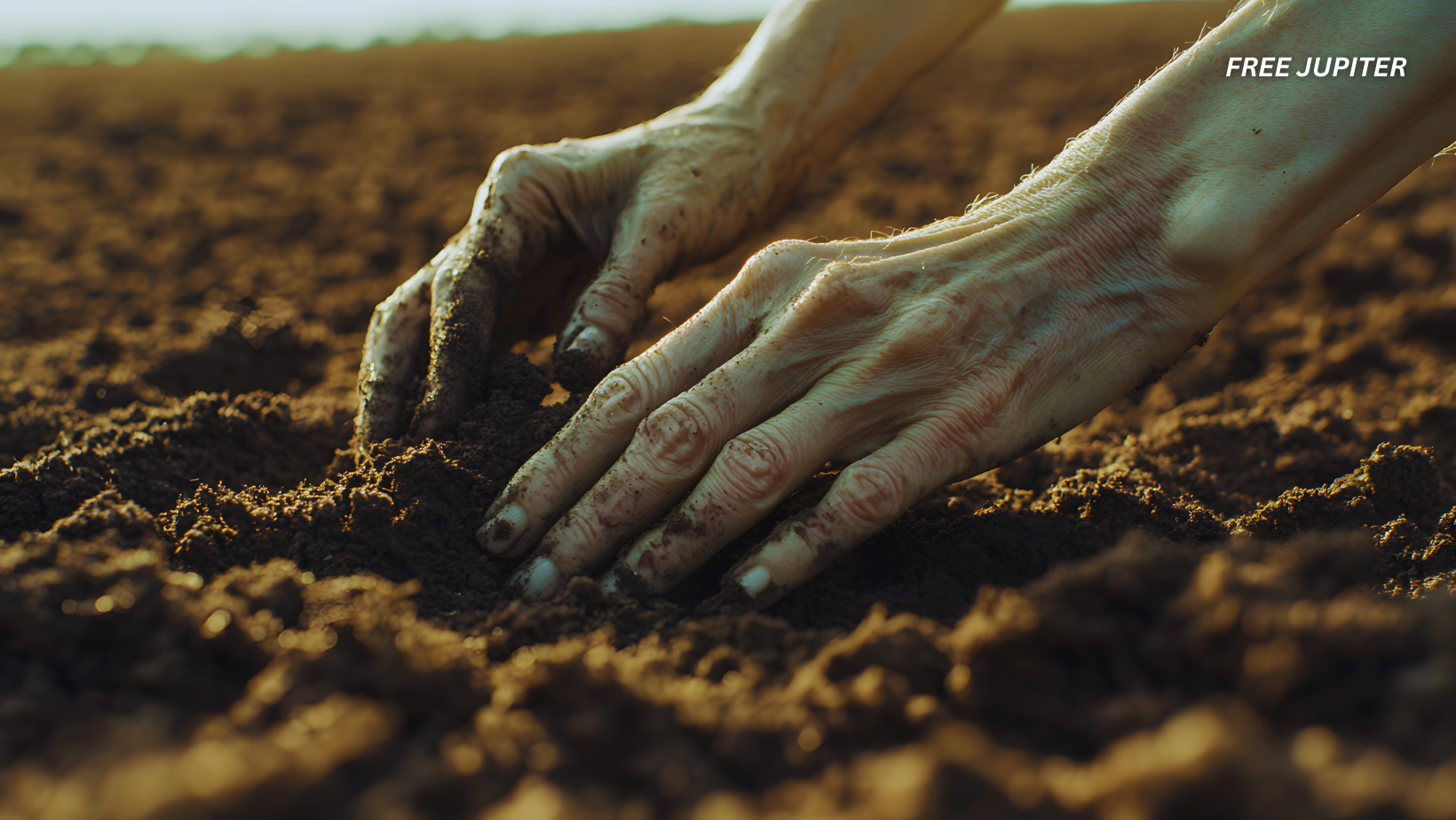
One involves direct contact with soil. Certain soil bacteria, including a species called Mycobacterium vaccae, have been shown in preclinical studies to influence serotonin production. Serotonin is a neurotransmitter linked to mood regulation and emotional balance. While the exact effects in everyday gardening still need further testing, the connection between soil exposure and mental wellbeing is being taken seriously by researchers.
Another factor is the type of movement involved. Gardening usually consists of repetitive, low intensity actions such as planting, trimming, digging, and watering. These slow, rhythmic motions appear to activate the parasympathetic nervous system. This system is sometimes described as the body’s rest and restore mode. It counterbalances the fight or flight response that drives stress reactions.
In contrast, high intensity workouts can sometimes stimulate the sympathetic nervous system, especially when paired with time pressure or personal performance goals. That is not inherently harmful. In fact, structured exercise is essential for heart health, bone density, and metabolic function. But when stress reduction is the primary goal, lower intensity activities may provide an added advantage.
Light exposure also plays a role. Gardening takes place outdoors, often in natural daylight. Even on cloudy days, outdoor light helps regulate circadian rhythms. These rhythms influence when cortisol rises and falls throughout the day. Indoor gyms, no matter how well designed, do not offer the same light spectrum or environmental cues.
Purpose, Routine, and Mental Clarity
Beyond biology, gardening may influence stress through psychological pathways. Many long lived and mentally sharp older adults report having simple outdoor routines as part of their daily lives. Gardening frequently appears in these stories.
There is something grounding about tending to living things. Seeds are planted, watered, and gradually transformed into food or flowers. The process offers structure without pressure. It provides a sense of responsibility without the intensity of competition.
Related article: If Any Of These 8 Things Ring True, You Need a Mental Health Day ASAP
Anecdotal accounts often describe gardening as a return to rhythm. Days are shaped by weather and seasons rather than email notifications. For retirees or individuals experiencing life transitions, even a small raised garden bed can offer renewed purpose.
The meta analysis strengthens these observations with measurable biological data. Lower baseline cortisol suggests that the effects are not merely emotional impressions. They are reflected in the body’s stress system.
Important Limitations to Consider
As compelling as the findings are, the researchers were careful to highlight limitations.
Many of the included studies relied on self reported gardening duration, which can introduce bias. Participants tended to be older and more likely female, meaning the results may not apply equally to every demographic group.
It is also possible that people drawn to gardening are naturally less reactive to stress in the first place. Personality differences are difficult to fully control in large scale reviews.
Most importantly, the findings do not suggest replacing gym exercise with gardening. Structured workouts provide well documented benefits for cardiovascular health, muscle strength, bone density, and metabolic markers. Gardening does not deliver the same intensity or targeted training effects.
Instead, the cortisol advantage appears to be additive. Gardening may complement exercise rather than compete with it.
Rethinking What Counts as Effective Stress Relief
Modern wellness culture often equates intensity with effectiveness. The harder the workout, the more transformative it is assumed to be. The data from this meta analysis invite a more nuanced perspective.
Low arousal, nature embedded activities may not look like traditional exercise, yet they appear to influence stress hormones in measurable ways. The body seems to respond not only to movement but also to context.
For those without access to a backyard, the research offers encouraging signs. Community gardens and even indoor container gardening showed partial benefits in several of the studies reviewed. While the effects were smaller than those observed in full outdoor settings, they were still meaningful.
Dr. Agnes van den Berg, the lead author of the review, summarized the idea succinctly in the discussion section of the paper. Activities rooted in nature may be undervalued because they do not resemble formal workouts. Yet physiological data suggest the body registers them differently.
A Simple Intervention Growing in Plain Sight
In a world where stress reduction programs often involve apps, subscriptions, and expensive memberships, gardening stands out for its simplicity. A few packets of seeds, a patch of soil, or even a series of containers on a balcony can create a daily ritual that combines movement, light exposure, and sensory engagement.
Thirty minutes may not seem like much. Yet over weeks and months, that small window of tending plants appears to shift baseline cortisol in a favorable direction.
For those already committed to gym routines, gardening does not need to replace anything. It can serve as a complement, offering a different kind of recovery. For those who find high intensity exercise stressful or unsustainable, gardening may provide a more approachable entry point into daily physical activity.
Related article: 12 Ways Your Body Tells You It Needs More Vitamins ASAP
The broader takeaway is not that one activity is superior in all respects. It is that stress biology is influenced by more than calories burned or heart rate achieved. Environment, intention, rhythm, and sensory experience all matter.
As research continues to explore the relationship between nature and human health, one message becomes clearer. Sometimes the most effective interventions are not hidden behind advanced technology. They are growing in plain sight, waiting to be watered.
Featured image: Freepik.
Friendly Note: FreeJupiter.com shares general information for curious minds. Please fact-check all claims and double-check health info with a qualified professional. 🌱