

For many people, cancer treatment brings to mind familiar methods such as chemotherapy, radiation therapy, or surgery. These treatments have saved countless lives, yet they often come with significant side effects and limitations. Scientists around the world continue searching for new strategies that can target tumors more precisely while reducing harm to the rest of the body.
A fascinating new idea is beginning to gain attention in the scientific community. Instead of attacking tumors from the outside with drugs or radiation, researchers are exploring the possibility of sending specially engineered bacteria directly into the tumor itself.
At first glance, the concept sounds almost unbelievable. Bacteria are normally associated with infections and illness. Yet a growing body of research suggests that certain types of bacteria may be turned into powerful allies against cancer.
A recent study published in ACS Synthetic Biology describes how scientists have taken an important step toward making this unusual strategy work. The research team, including Sara Sadr, Bahram Zargar, Marc G. Aucoin, and Brian Ingalls, developed a way to engineer bacteria so they can enter solid tumors and begin breaking them down from the inside.
The idea may sound futuristic, but its roots stretch back more than a century.
Related article: This Is The Reason Why Some People Don’t Lose Weight Even When They Exercise All The Time
A Forgotten Medical Experiment From the 1800s
Long before modern chemotherapy existed, doctors were already experimenting with the relationship between bacteria and cancer.
In the late nineteenth century, a surgeon named William B. Coley began studying an unusual pattern among cancer patients. Some individuals whose tumors had stopped growing had recently experienced severe bacterial infections.
Coley wondered whether the immune response triggered by those infections might somehow help the body fight cancer.
Beginning in 1891, he started injecting cancer patients with mixtures of bacteria or bacterial products. These experimental treatments became known as “Coley’s toxins.”
Over several decades, more than a thousand patients received the therapy. Some experienced remarkable results, particularly those with certain types of bone and soft tissue cancers. Reports from medical journals at the time described cases where tumors shrank or disappeared after treatment.
Despite those promising observations, the approach eventually faded from mainstream medicine. As radiation therapy and chemotherapy emerged in the twentieth century, bacterial treatments were largely abandoned.
Yet modern researchers have begun revisiting the idea with far more advanced tools.
Why Bacteria Might Be Ideal Cancer Hunters
To understand why bacteria are attracting renewed interest, it helps to look closely at how tumors behave inside the body.
Many solid tumors develop environments that are very different from healthy tissue. As cancer cells multiply rapidly, they can outgrow their blood supply. This leaves large regions inside the tumor with extremely low levels of oxygen.
These oxygen deprived areas are notoriously difficult to treat. Chemotherapy drugs often struggle to reach them, and radiation therapy tends to work best in oxygen rich conditions.
This creates a frustrating challenge for doctors. Even when a treatment shrinks a tumor, hidden pockets of cancer cells can survive deep within its oxygen poor core.
This is where bacteria come into the picture.
Some bacterial species naturally thrive in low oxygen environments. In fact, certain types cannot survive in oxygen at all.
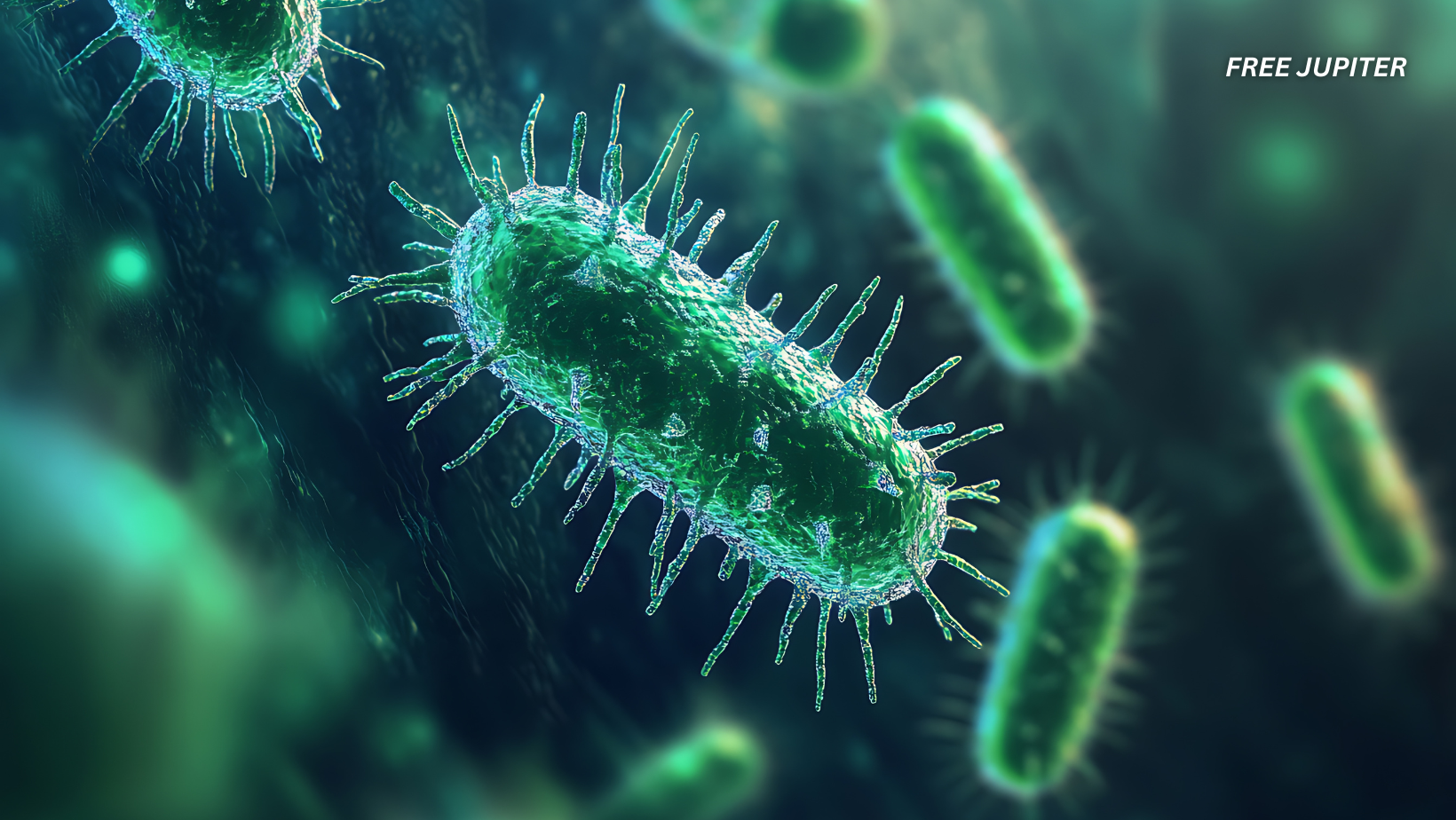
One of these bacteria is Clostridium sporogenes, the organism used in the recent study.
Scientists realized that bacteria like this might have a unique ability to travel directly into the oxygen deprived areas of tumors that conventional treatments struggle to reach.
Once inside, they could potentially multiply and begin destroying cancer cells from within.
Related article: Experts Say These 10 Phrases Show When Someone Has Trapped Themselves In A Negative Mental Loop
The Challenge Scientists Had to Solve
Although the idea of tumor targeting bacteria is promising, it comes with a major complication.
Bacteria that prefer oxygen free environments face a serious obstacle once they reach the outer edges of a tumor. The surrounding tissue usually contains oxygen, which can quickly kill these microbes before they fully penetrate the cancerous mass.
This means the bacteria might stop working before the entire tumor is eliminated.
Researchers from the University of Waterloo decided to tackle this problem using tools from a rapidly growing field called synthetic biology.
Synthetic biology involves redesigning living organisms so they perform specific tasks. In many ways, scientists treat DNA like a programmable system, assembling genetic components in ways that create predictable biological behavior.
The goal in this case was to help bacteria survive long enough to reach deeper parts of the tumor without allowing them to spread into healthy tissue.
Reprogramming Bacteria Like a Living Circuit
To solve the oxygen problem, the researchers borrowed a gene from a related bacterial species. This gene allows bacteria to tolerate oxygen for a limited time.
However, simply giving the bacteria oxygen resistance would create another risk. If the microbes could survive anywhere in the body, they might grow outside the tumor and cause unwanted side effects.
The team needed a way to control exactly when this oxygen tolerant ability would activate.
Their solution was both clever and elegant.
They designed a genetic system that works similarly to an electronic circuit. Instead of wires and microchips, the system is built from carefully arranged segments of DNA.
How Bacteria Communicate With Each Other
Quorum sensing is a natural behavior found in many microbial communities.
Individual bacteria release small chemical signals into their environment. As the population grows, the concentration of these signals increases.
Once enough bacteria are present, the signal becomes strong enough to trigger a coordinated response across the entire group.
Scientists often describe it as a form of microbial communication.
In the Waterloo study, the researchers used this communication system as a biological switch.
When only a few bacteria are present, the oxygen tolerant gene remains inactive. This prevents the microbes from spreading into oxygen rich healthy tissues.
A Strategy Designed for Precision
The engineered bacteria essentially behave like tiny biological machines programmed with clear instructions.
First, they travel through the body until they locate the oxygen poor environment inside a tumor.
Next, they begin multiplying in that favorable environment.
Once their population grows large enough, their internal communication system activates the genetic circuit that allows them to survive near oxygen rich areas.
This allows them to continue spreading throughout the tumor rather than dying at its edges.
Why This Approach Could Change Cancer Treatment
Although the research is still in its early stages, tumor targeting bacteria offer several intriguing advantages.
One potential benefit is precision. Because these microbes prefer oxygen poor environments, they naturally gravitate toward tumors rather than healthy tissue.
Another advantage is access. Bacteria can move through complex tumor structures that drugs and radiation struggle to penetrate.
The Road Ahead
Despite the excitement surrounding the discovery, the technology is still far from clinical use.
The next step for the researchers involves preclinical testing. In these experiments, the engineered bacteria will be introduced into tumor models to evaluate how effectively they attack cancer and how safely they behave inside living systems.
Scientists will need to answer several important questions before human trials become possible.
They must confirm that the bacteria remain confined to tumors, that the immune system does not eliminate them too quickly, and that the engineered genetic circuits perform reliably inside the body.
Safety will remain the top priority throughout the process.
Related article: Neuroscience Reveals How Doomscrolling Actually Rewires Your Brain
A New Chapter in the Fight Against Cancer
Cancer research has always advanced through bold ideas that initially seemed unlikely.
Immunotherapy once sounded like science fiction. Gene editing technologies were once considered impossible. Today, both fields are transforming medicine.
The concept of bacteria that hunt tumors from within may eventually join that list.
While it will take years of research to determine whether this approach becomes a standard treatment, the early results suggest that the strategy holds genuine promise.
By combining microbiology, genetics, and engineering, scientists are exploring a future where microscopic organisms become carefully programmed partners in the fight against one of humanity’s most challenging diseases.
If successful, the approach could redefine how cancer is treated, turning an unlikely biological foe into an unexpected medical ally.
Featured image: Freepik.
Friendly Note: FreeJupiter.com shares general information for curious minds. Please fact-check all claims and double-check health info with a qualified professional. 🌱