

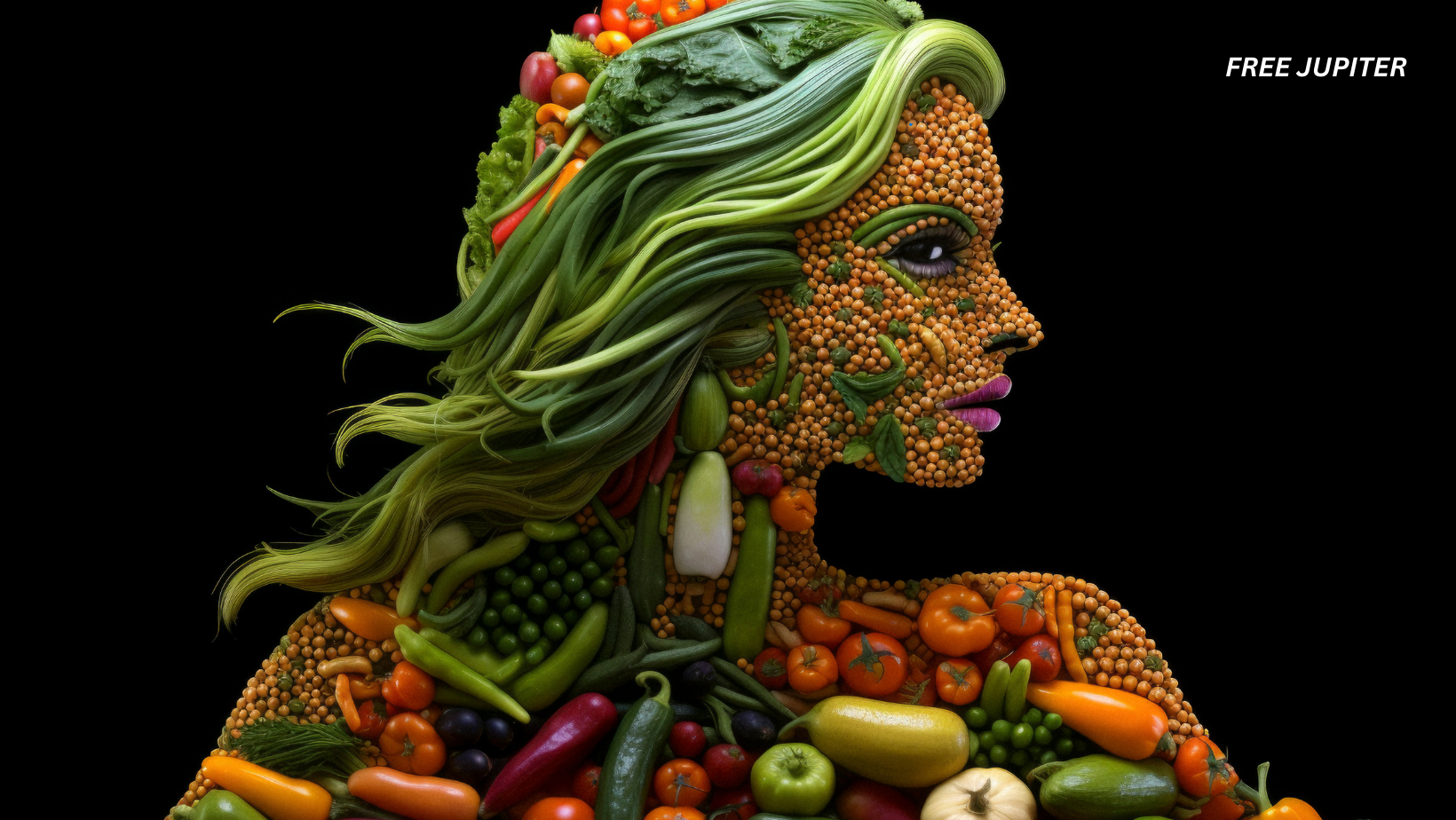
When cold and flu season rolls around, immune health suddenly becomes everyone’s favorite topic. But the truth is, your immune system needs support all year long, not just when sniffles are everywhere. While supplements like vitamin C and zinc often steal the spotlight, many of the nutrients that help protect your body are already sitting in the produce section of your local grocery store.
Fruits and vegetables are packed with natural compounds that help the body defend itself against everyday germs. They hydrate you, feed your gut, and supply vitamins and minerals that keep immune cells working properly. The best part is that they are easy to add to meals without needing a science degree to understand why they matter.
Below is a simple breakdown of why fruits and vegetables support immunity, followed by nine standout options that experts often recommend.
Why Fruits and Vegetables Support Immune Health
Eating a wide variety of fruits and vegetables gives your body the tools it needs to stay resilient. According to nutrition experts, immune friendly foods tend to share a few important qualities.
Related article: Nutrition Experts Name the Healthiest Sandwich Bread—And They All Said The Same Thing
Water Keeps Defenses Strong
Water plays a quiet but powerful role in immune health. It helps the body flush out waste and unwanted invaders while keeping tissues in the skin, eyes, mouth, and nose moist and healthy. These tissues act as your first line of defense against bacteria and viruses. Many fruits and vegetables are naturally high in water, making hydration easier without constantly reaching for a glass.
Fiber Feeds the Gut
Inside your digestive system lives a massive community of helpful bacteria known as the gut microbiome. This community plays a major role in immune function. Fiber, especially soluble fiber, feeds these good bacteria and helps them thrive. A strong gut microbiome supports the body’s ability to respond to illness. Whole fruits and vegetables are one of the best natural sources of fiber.
Vitamins Protect and Repair
Several vitamins are especially important for immune health, including vitamins A, B6, C, D, and E. Many of these act as antioxidants, which help reduce inflammation and protect cells from damage. Fruits and vegetables supply these vitamins in forms the body can easily use.
Minerals Support Immune Cells
Minerals like zinc, iron, and selenium help immune cells grow and function properly. Some also support the production of white blood cells that fight infection. Fruits and vegetables may not always be the richest sources of minerals, but when eaten regularly, they contribute to steady intake over time.
Plant Compounds Add Extra Protection
Plants contain thousands of natural compounds known as phytonutrients. These are what give fruits and vegetables their bright colors and distinct aromas. Phytonutrients help reduce inflammation and make it harder for harmful microbes to thrive. This is why eating a variety of colors, often called eating the rainbow, is so beneficial.
Nine Fruits and Vegetables That Stand Out for Immunity
While all fruits and vegetables offer benefits, some shine a little brighter thanks to their unique mix of nutrients.
1. Red Bell Peppers
Red bell peppers are surprisingly rich in vitamin C. Even a small serving can provide more than a full day’s worth. They also contain vitamin E, water, fiber, and helpful plant compounds. Their natural sweetness makes them easy to enjoy raw in salads or cooked into stir fries and pasta dishes.
Related article:12 Low Magnesium Symptoms Most People Ignore Until They Get Worse
2. Broccoli
Broccoli is a nutrition multitasker. It contains fiber along with vitamins A, B6, and C. This combination supports immune function while also promoting gut health. Broccoli works well in soups, rice dishes, omelets, or simply roasted as a side.
3. Grapefruit
Citrus fruits are famous for vitamin C, and grapefruit is no exception. One grapefruit can deliver more than your daily vitamin C needs, along with fiber and vitamin A. It can be eaten on its own or added to salads and sauces for a fresh, tangy flavor.
4. Spinach
Spinach is loaded with antioxidants, including vitamins A, C, and E. It also provides iron, which helps carry oxygen throughout the body. Together with its fiber and plant compounds, spinach supports immune strength and overall vitality. It blends easily into smoothies or can be cooked into many savory dishes.
5. Blackberries
Berries are often praised for their health benefits, but blackberries deserve special attention. They are rich in vitamin C and plant compounds, and they stand out for their high fiber content. One cup contains a generous amount of fiber that helps nourish the gut microbiome, which in turn supports immune health.
6. Avocado
Avocado offers a unique mix of healthy fats, fiber, and vitamins C and E. It is also one of the best sources of soluble fiber, which feeds beneficial gut bacteria. Its creamy texture makes it easy to add to salads, sandwiches, eggs, or even smoothies.
7. Ginger
Ginger has been used for centuries for its warming and soothing properties. It contains antioxidants that help reduce inflammation and may help the body fight off infections. You do not need fancy shots or juices to benefit. Fresh ginger works well in soups, stir fries, rice dishes, teas, and even desserts.
8. Kiwi
Kiwi may be small, but it is packed with nutrients. It provides fiber, vitamin C, vitamin E, water, and plant compounds that support immune health. Kiwi fits easily into smoothies, fruit bowls, or yogurt and even works in savory marinades.
9. Garlic
Garlic is rich in powerful plant compounds. When garlic is crushed or chopped, it releases a substance that helps increase white blood cell activity. Regular consumption has been linked to shorter cold symptoms and fewer illnesses overall. Garlic adds depth and flavor to almost any savory dish, making it easy to use often.
Related article: 8 Signs You’re Exhausted In A Way Sleep Can’t Fix
Nutrition Is Only One Part of the Picture
Eating more fruits and vegetables is a smart and effective way to support your immune system, but no single food works alone. A strong immune system also depends on daily habits like getting enough sleep, managing stress, staying active, and limiting alcohol intake.
Think of immune health as a team effort. Nutritious foods provide the foundation, while lifestyle choices help everything work together. By filling your plate with colorful fruits and vegetables and supporting them with healthy routines, you give your body the best chance to stay strong year round.
Featured image: Freepik.
Friendly Note: FreeJupiter.com shares general information for curious minds. Please fact-check all claims and double-check health info with a qualified professional. 🌱