

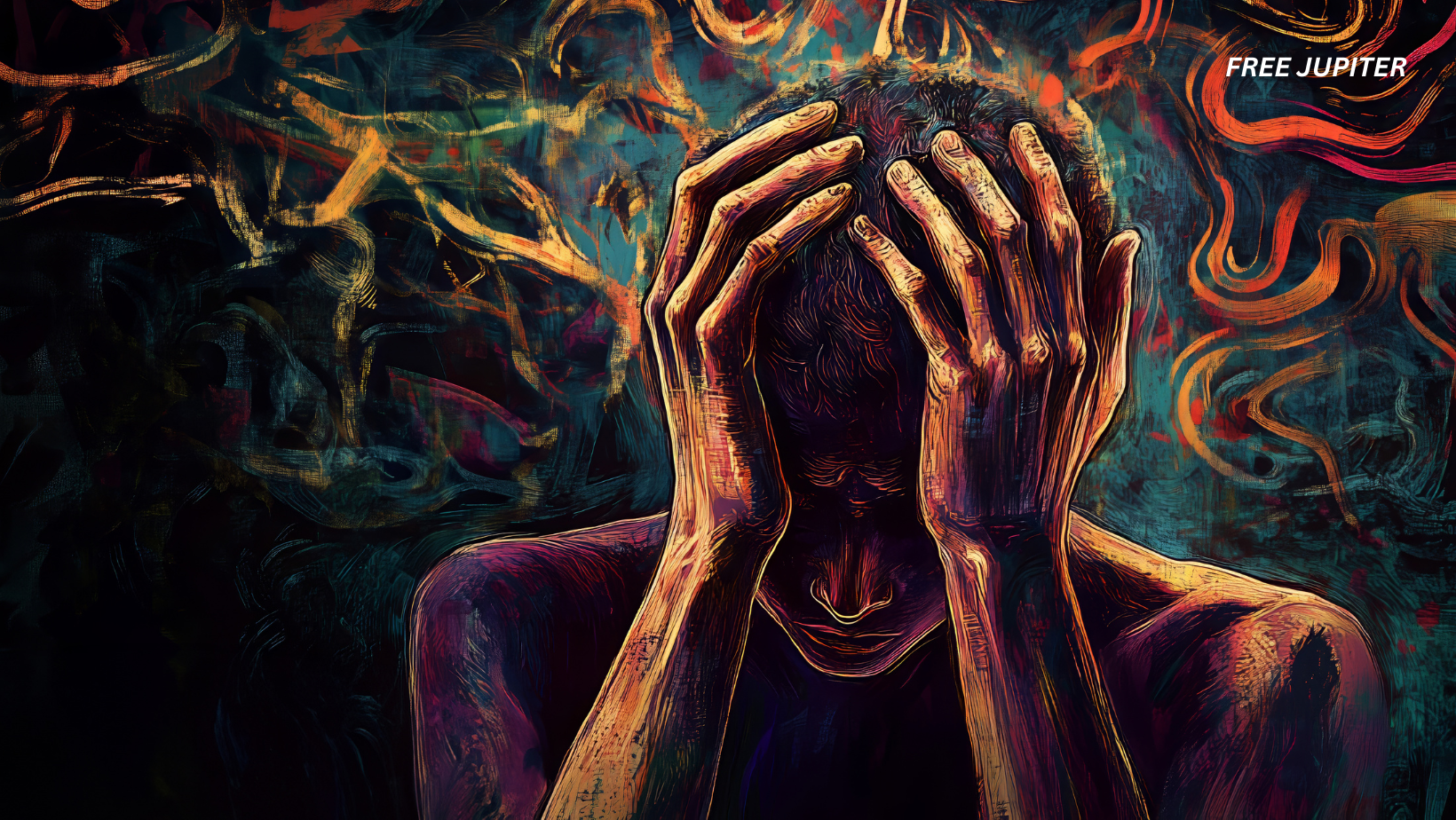
Depression is often imagined in a very specific way. Many people picture tears that will not stop, days spent in bed, or a heavy sadness that makes even the smallest task feel impossible. While those experiences are real for many, they are not the only way depression shows up.
In truth, depression can be much quieter and far more subtle. It can slip into daily life in ways that are easy to overlook. It can disguise itself as indifference, confusion, or even emotional numbness. Because of this, many people live with it for months or even years without recognizing what is happening beneath the surface.
Looking back, it often becomes clear that the signs were there all along. They just did not look like what most people expect depression to be.
Here are five unexpected signs of depression that may not feel like depression at first, yet can reveal a deeper emotional struggle.
When You Rarely Have Opinions Anymore
It is natural to feel undecided from time to time. Everyone has moments where choosing what to eat or where to go feels unimportant. However, something shifts when that lack of opinion becomes a pattern.
You may begin to notice that you often say things like “anything is fine” or “it does not matter to me,” even in situations where you once had clear preferences. Over time, this can turn into a habit of holding back your thoughts entirely.
At first glance, this may seem like an easygoing personality. Yet beneath it, there is often a quiet form of self-protection. Expressing opinions can feel risky. There may be a fear of disagreement, rejection, or being misunderstood. So instead of speaking up, it feels safer to stay neutral.
This repeated silence slowly creates distance, not only from others but also from yourself. When thoughts and preferences are consistently pushed aside, it becomes harder to recognize what you truly think or feel.
In many cases, this pattern is not about being agreeable. It is about shrinking one’s voice to avoid discomfort. Over time, that silence can become heavy, leaving a person feeling unseen and disconnected.
Read more: Exercise Works Just As Well As Therapy Or Medication For Depression, Review Finds
When “I Don’t Care” Becomes Your Default
There are moments when not caring is genuine. Not every decision needs deep emotional investment. However, when “I don’t care” becomes a frequent response, even in situations that once mattered, it may point to something deeper.
This phrase can act as a shield. It protects against disappointment, conflict, or vulnerability. By pretending something does not matter, it becomes easier to avoid the risk of wanting and not receiving.
Yet the human experience is built on caring. Preferences, desires, and emotional reactions are part of being alive. When those are repeatedly dismissed, it creates an internal contradiction. A part of you still cares, but another part insists that it does not.
Over time, this disconnect can grow. You may start to feel detached from your own emotions, as if your inner voice has become faint or distant. Decisions feel less meaningful. Reactions feel muted.
What looks like indifference on the outside may actually be emotional exhaustion on the inside. It is not that nothing matters. It is that caring has started to feel too difficult or too risky.
When You No Longer Know What You Want
One of the more confusing experiences linked to depression is the feeling of not knowing what you want. This can show up in both small and significant ways. Choosing what to eat, what to do with your time, or even what direction to take in life can feel overwhelming or strangely empty.
It may seem like a lack of clarity, but often it runs deeper than that. The ability to recognize desires depends on being connected to your thoughts and emotions. When that connection weakens, your sense of direction can fade with it.
This disconnection does not happen overnight. It often begins early, shaped by expectations about what is acceptable or desirable. Certain wants may have been pushed aside to fit in, to avoid judgment, or to meet the expectations of others.
Over time, those hidden desires become harder to hear. They are still there, but buried under layers of doubt and self-censorship. Even when they surface, they may be dismissed before they are fully understood.
As a result, life can begin to feel like a series of motions rather than meaningful choices. Without a clear sense of what you want, it becomes difficult to move forward with confidence or purpose.
Read more: Research Shows Dancing May Treat Depression Better Than Pills
When Everything Starts to Feel Pointless
A loss of meaning is one of the more profound signs that something is not right. This feeling does not always arrive dramatically. It can begin as a subtle sense that things no longer hold the same significance they once did.
Activities that used to bring satisfaction may feel empty. Achievements may seem less rewarding. Even relationships can feel distant, as if something important is missing.
This sense of pointlessness often grows from emotional disconnection. When thoughts, feelings, and desires are suppressed or ignored, the natural sense of purpose begins to fade. Life may continue outwardly as usual, but internally it can feel like watching from a distance.
Some describe this experience as being on autopilot. Days pass, tasks are completed, conversations happen, yet there is a lingering sense of detachment. It is not necessarily sadness, but rather a lack of engagement with life itself.
This feeling can be particularly confusing because it does not match the common image of depression. There may be no obvious crisis, yet something feels fundamentally off.
When You Feel Emotionally Numb Instead of Sad
Perhaps one of the most overlooked signs of depression is emotional numbness. Instead of feeling overwhelmed by sadness, you may feel very little at all.
Joy may seem muted. Excitement may be difficult to access. Even moments that should feel meaningful may pass without much emotional response. It can feel like watching life through a filter that dulls every experience.
This numbness is often misunderstood. It may be mistaken for calmness or stability. In reality, it can be a sign that the mind is trying to protect itself from emotional overload.
When feelings become too intense or too difficult to process, the brain may respond by lowering the volume on all emotions. While this can reduce pain in the short term, it also limits the ability to feel positive emotions.
Over time, this emotional flatness can create a sense of disconnection from life. Without emotional highs or lows, everything can begin to feel the same, and that sameness can feel exhausting in its own way.
Read more: Scientists Found a Bizarre Link Between Body Temperature and Depression
Reconnecting With Your Inner Voice
At the heart of these experiences is a common thread: disconnection from oneself. Thoughts are held back, feelings are muted, and desires are pushed aside. In that space, depression can grow without being immediately recognized.
Reconnection does not happen all at once. It often begins with small, intentional steps. Paying attention to your reactions, allowing yourself to have preferences, and expressing even simple opinions can begin to rebuild that connection.
Communication plays a vital role, both with others and within yourself. Speaking honestly, even in small ways, can help restore a sense of identity and presence. It allows you to take up space again in your own life.
Depression does not always look the way people expect. Sometimes, it appears as silence instead of sadness, as numbness instead of pain, or as indifference instead of despair. Recognizing these quieter signs can make a meaningful difference.
Because once they are seen for what they are, it becomes possible to respond with awareness, care, and the understanding that something deeper deserves attention.
Featured image: Freepik.
Friendly Note: FreeJupiter.com shares general information for curious minds. Please fact-check all claims and double-check health info with a qualified professional. 🌱