
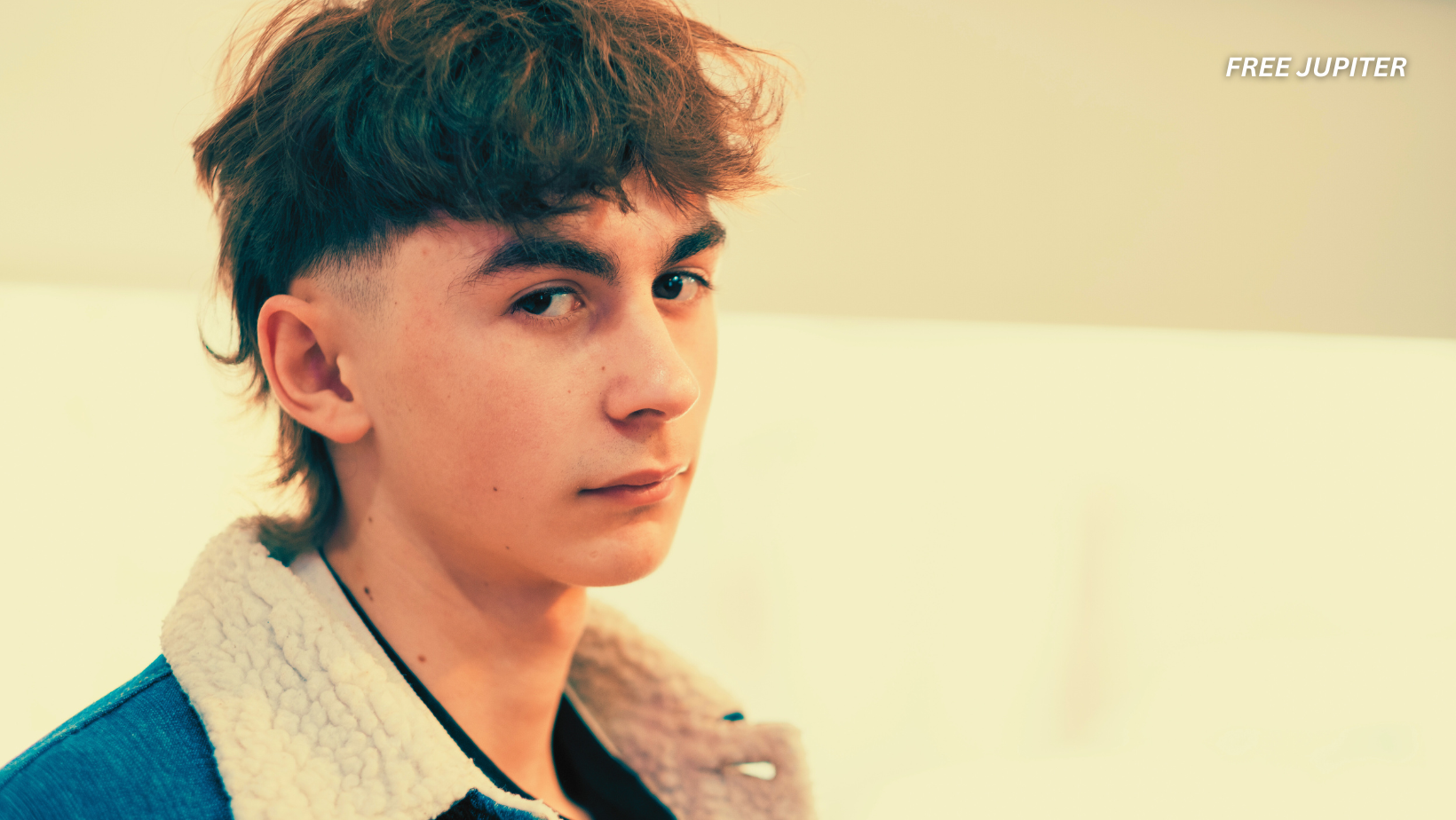
If you’ve been out in public, scrolling through TikTok, or simply chatting with younger coworkers lately, you may have noticed something peculiar: a quiet, still, almost motionless expression that Gen Z seems to pull out during everyday conversations. People have started calling it the “Gen Z stare,” a phrase that launched itself into online conversations sometime in mid-2025 and has refused to leave.
The name itself has caused a mix of irritation, amusement, and confusion among younger people. But beneath the memes and reactions is a surprisingly interesting explanation for why this expression shows up so much — and why older generations notice it instantly.
Let’s break down, in the simplest way possible, what this stare is, why it exists, and why it’s become such a hot topic.
What the “Gen Z Stare” Actually Is
The term exploded first on TikTok, as so many modern phrases do. Users began posting videos exaggerating the expression or pointing it out in everyday interactions. Soon enough, news outlets picked it up, and the phrase went mainstream.
Read more: Gen Z Can’t Tolerate These 12 Things That Boomers Absolutely Love
At its core, the “Gen Z stare” refers to:
- A slow, neutral, unbothered-looking face
- Usually shown right after they’ve been asked a question
- With steady eye contact
- And little to no movement in the eyebrows, mouth, or cheeks
- For a few seconds before they respond
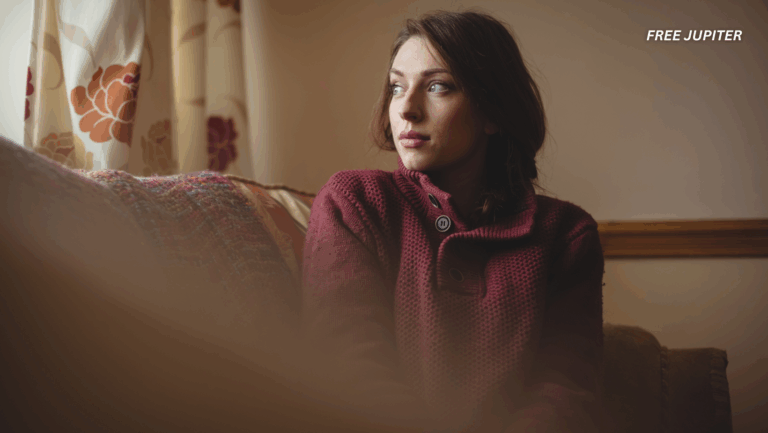
It’s not a glare. It’s not judgment. It’s not boredom. It’s simply a pause — a blank canvas of a face while the brain loads the next thought.
For people who grew up with automatic smiling and energetic expressions, this calmness can feel strange or even confrontational. But for Gen Z, it’s just… normal.
In the Wild: How It Shows Up in Real Life
People describe the stare as something unexpectedly still. It’s like someone hit the “freeze frame” button on a video, but only for a moment.
Imagine this:
You: “Do you know where the pens are?”
Gen Z employee: Neutral face, unblinking for 1–2 seconds.
Then: “Aisle three.”
It’s usually accompanied by direct eye contact — just long enough to feel noticeable, but not long enough to be dramatic. This expression can be:
- Interpreted as confusion
- Mistaken as annoyance
- Misread as disinterest
- Or seen as deep concentration
In reality, it’s simply a resting face paired with a brief thinking pause.
Because the stare doesn’t broadcast emotion, the person on the receiving end fills in the blanks based on their own expectations. That’s why it can feel warm, cold, weird, or totally fine depending on who’s looking.
So Why Is It Linked Specifically to Gen Z?
This part is surprisingly logical — and very generational.
1. They grew up with cameras everywhere
Gen Z is the first generation raised with front-facing cameras from childhood. They learned early how to control their expressions for selfies, videos, FaceTime calls, and social media posts.
On screens:
- A neutral face is normal.
- A relaxed look is common.
- Overreacting facially can feel awkward or unnatural.
Older generations grew up with:
- Polite smiles
- Customer-service expressions
- Habits of “performing” warmth through facial cues
So while older adults treat a smile as a social expectation, Gen Z treats it as an optional add-on.
2. Teen years spent online shaped their expressions
Gen Z communicated through texts, chats, and apps more than any generation before them. Typing “lol” replaced physically smiling. Emojis filled gaps that facial expressions would normally fill.
The result?
Their offline expressions don’t always mimic those learned by previous generations. A neutral face to them doesn’t feel cold — it feels authentic.
Read more: Gen Z Can’t Understand Why People Over 40 Still Do These 12 Things
3. Their default expression is different
Older adults often have a “politeness face.”
Gen Z has a “resting digital face.”
Both are normal. They’re just born from different environments.
How Digital Life Created a Different Communication Style
Researchers who study technology and human behavior often note that screens flatten emotional expression. When your conversations are mostly typed:
- You don’t practice reading micro-expressions.
- You don’t learn to react instantly with your face.
- You don’t rely as much on smiles or nods.
Gen Z simply didn’t get the same volume of face-to-face social practice that previous generations did growing up. They had:
- More silent spaces online
- More delayed responses
- More time to think before replying
- More situations where neutrality was normal, not rude
So when they hold a blank face for a moment, they’re doing what feels natural — not what feels socially expected by older standards.
Why You Keep Seeing It in Stores, Restaurants, and Workplaces
The “Gen Z stare” is reported most often in customer-service settings, and there’s a reason for that: many Gen Zers are working their first in-person jobs.
Cashiers, baristas, retail workers, and front-of-house staff often belong to the youngest working generation. When customers ask simple questions, Gen Z tends to pause for a moment with their neutral expression before answering.
Older customers may expect:
- A quick “Hi!”
- A polite smile
- A cheerful tone
- Instant emotional feedback
Gen Z workers, on the other hand, often prefer:
- Directness
- Brevity
- Clear communication without unnecessary chatter
They’re not ignoring you. They’re not annoyed. They simply aren’t trained to use the “customer service face” that previous generations were taught to adopt automatically.
Why the Term Became Huge in 2025
Even though the stare isn’t new, the label for it suddenly exploded. The timing is important.
1. Gen Z entered adulthood during chaotic years
School closures, shifting work formats, and pandemic-era communication heavily changed how young people interacted.
Many of them:
- Took classes online
- Attended events through screens
- Communicated with cameras off
- Re-entered the world with habits shaped by virtual life
So when the world opened again, their communication style stood out more sharply.
2. Older generations were returning to in-person life too
Adults who were used to face-to-face interactions suddenly found themselves interacting with younger people who didn’t grow up with the same habits. The contrast made the differences more noticeable than ever.
3. Social media loves a label
Once TikTok named it, the phrase spread like wildfire. People love giving everyday behaviors catchy titles, and “Gen Z stare” was simple, meme-able, and easy to exaggerate in videos.
Is the Stare a Bad Thing? Spoiler: No.
The neutral expression says nothing about someone’s personality. It doesn’t mean:
- They dislike you
- They’re judging you
- They’re bored
- They’re uninterested
In most cases, it simply means:
- They’re thinking
- They’re processing
- They’re taking a moment
- They’re being natural, not performative
Some communication experts even say younger generations are more comfortable with silence and pauses — something older generations usually rush to fill.
The Bigger Picture
The “Gen Z stare” isn’t a trend; it’s a window into how communication evolves across generations. Every age group has its own style of interacting.
Baby Boomers were shaped by strict manners.
Gen X was shaped by independence.
Millennials were shaped by rapid tech changes.
Gen Z is shaped by digital life from birth.
The stare is simply a reflection of the world they grew up in.
Read more: 7 Modern Pressures Gen Z Moms Face That Millennial Moms Didn’t
Final Thoughts
Whether you find the “Gen Z stare” amusing, confusing, relatable, or a little mysterious, one thing is clear: it’s not about attitude, rudeness, or lack of social skills. It’s about a generation whose emotional baseline looks different because their entire upbringing looked different.
In the end, the stare is just another example of how humans adapt — and how each generation develops its own way of expressing itself, both online and off.
Featured image: Freepik.
Friendly Note: FreeJupiter.com shares general information for curious minds. Please fact-check all claims and double-check health info with a qualified professional. 🌱