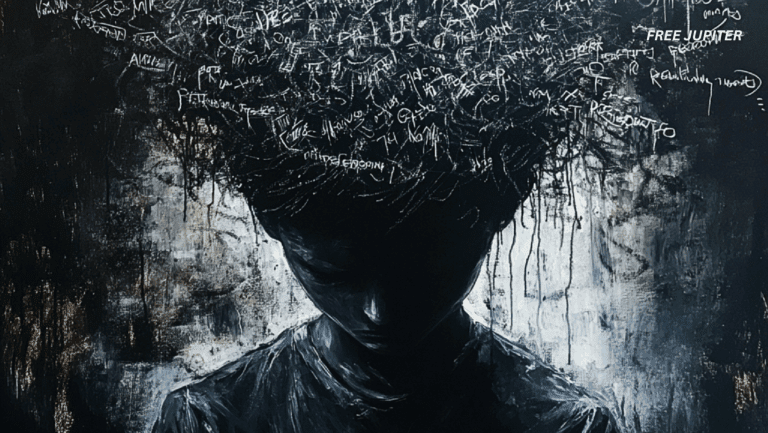


It can be deeply frustrating to notice the same mistakes showing up again and again, especially when you are fully aware they are not serving you. Logic says you should know better by now, yet something seems to override rational thinking.
Neuroscience offers an explanation that goes beyond willpower. The brain is built to depend on habits and learned environmental cues, even when those cues no longer match reality. Understanding this process reveals why certain decisions repeat and how meaningful change can finally begin.
The Brain’s Constant Search for Patterns
From the moment you wake up, your brain is actively scanning the world for information. It looks for patterns, familiar signals, and subtle clues that help guide behavior. The smell of coffee can signal comfort and routine. A phone notification suggests urgency or reward. A shift in someone’s facial expression can influence how you respond in conversation. These signals, known as cues, are the brain’s way of predicting what might happen next.
This process allows the brain to work efficiently. Rather than carefully analyzing every decision, it builds shortcuts based on repeated experiences. Over time, these shortcuts become automatic. If a certain environment has consistently led to pleasure or safety, the brain responds almost instantly when that cue appears again. This is why habits can feel effortless and why familiar routines often happen without conscious thought.
Related article: A Psychologist Explains How to Recover From Burnout Without Quitting Your Life
When Efficiency Turns Into Rigidity
While this system is useful, it is not always flexible. Once the brain links a cue with a positive outcome, it tends to hold onto that connection. Even when circumstances change, the old association may remain active. This is where problems begin. The brain continues to react based on outdated information, leading to choices that no longer make sense.
Neuroscientists studying decision making have found that some people struggle to update these learned associations. Research from the University of Bologna shows that when familiar cues stop producing positive results, not everyone adapts at the same pace. Some people quickly learn that the situation has changed and adjust their behavior. Others continue responding as if the old rules still apply, even when the consequences are negative.
Why Old Signals Still Control New Decisions
This difficulty is linked to a process known as Pavlovian value updating. In simple terms, it refers to the brain’s ability to revise what it has learned when reality changes. When this updating process is weak or slow, old cues retain their influence. The brain continues to treat them as reliable guides, even when experience suggests otherwise.
This explains why people often repeat the same mistakes despite understanding the risks. The issue is not ignorance or lack of intelligence. It is the brain acting on deeply ingrained learning that has not yet been revised. Outdated signals still feel familiar and trustworthy, which makes them hard to ignore.
Why Some People Are More Affected Than Others
Not everyone responds to environmental cues in the same way. Some individuals are especially sensitive to their surroundings and rely heavily on external signals to guide decisions. In stable environments, this sensitivity is helpful. It allows for fast responses and reduces the mental effort required to make choices.
However, in situations where circumstances change frequently, this same sensitivity can become a liability. Highly cue sensitive individuals may feel drawn toward familiar behaviors even when those behaviors are no longer beneficial. A person trying to quit smoking might find themselves reaching for a cigarette when passing a familiar café or seeing someone else smoke. The response feels automatic, even if the person consciously wants to stop.
Related article: Humans Were Built for Nature—Not the Stress of Modern Life
The Link Between Habits and Mental Health
The brain’s reliance on cues plays a major role in mental health patterns. Addictions, compulsive behaviors, and certain anxiety responses are often driven by automatic reactions to familiar signals. These reactions occur before conscious reasoning has time to step in.
For someone recovering from addiction, walking past a familiar environment can trigger intense cravings. The response is not a deliberate choice but a learned reaction shaped by past rewards. Similarly, anxiety can emerge when the brain continues to associate specific cues with danger, even when the threat is no longer present. Over time, repeated exposure to these cues without updating their meaning strengthens the loop, making the pattern feel increasingly difficult to escape.
How the Brain Learns to Adapt and Change
Despite how powerful habits can feel, the brain is not fixed. Neuroplasticity allows it to adapt and form new connections throughout life. With intentional effort, old associations can be weakened and replaced with healthier responses.
Researchers studying behavior change have found that repeated exposure to cues in safe contexts can help the brain update its expectations. When a familiar signal no longer leads to the expected outcome, the brain slowly learns that the old rule no longer applies. Mindfulness and cognitive techniques also help by creating a pause between stimulus and response, allowing conscious awareness to interrupt automatic behavior.
Small changes can make a meaningful difference. Altering routines, reshaping environments, or pairing familiar cues with new outcomes gradually retrains the brain. Over time, these new patterns become just as automatic as the old ones once were.
Related article: 11 Signs You’ve Hit the Phase of Life Where You Absolutely Refuse to Deal With Nonsense
Understanding Repetition Without Self Blame
Repeated mistakes are often interpreted as personal failure. Neuroscience suggests a different perspective. In many cases, the brain is simply doing what it was designed to do: operate quickly, rely on past learning, and conserve energy. The problem arises when that learning no longer matches current reality.
Recognizing this shifts the focus away from self criticism and toward strategy. Change becomes less about forcing discipline and more about teaching the brain that the rules have changed. With patience and consistent practice, outdated cues lose their power, and new habits take their place.
Breaking free from repeated mistakes is not about fighting your brain. It is about guiding it. By understanding how environmental cues shape decisions and by deliberately creating new associations, you can regain control over behaviors that once felt automatic. Over time, the brain learns to respond to the present rather than the past, opening the door to healthier choices and lasting change.
Featured image: Freepik.
Friendly Note: FreeJupiter.com shares general information for curious minds. Please fact-check all claims and double-check health info with a qualified professional. 🌱