
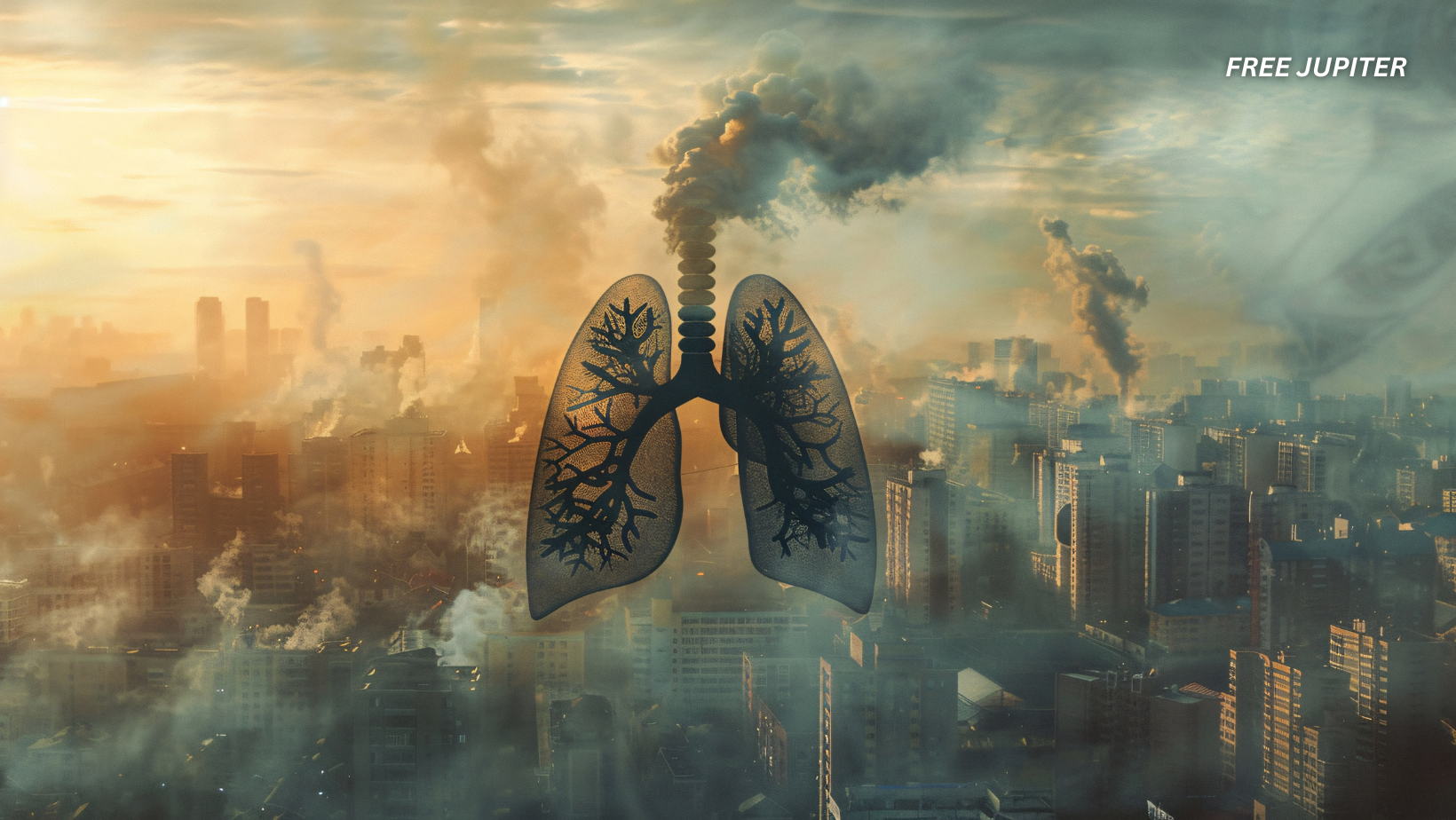
Air pollution is something most people live with without thinking about it too much. It blends into daily life so easily that it often goes unnoticed. Cars move through crowded streets, factories hum in the distance, and even household activities release particles into the air. While pollution may seem invisible and harmless in the moment, its effects on the lungs can quietly build over time.
In recent years, scientists have been looking more closely at how air pollution affects the body at a very small level. One new area of interest involves a vitamin that many people already recognize and use regularly. Vitamin C, commonly associated with immune support and cold prevention, is now being studied for its potential to protect the lungs from pollution related damage.
New research suggests that higher doses of vitamin C may help reduce the harmful effects of fine air pollution particles that reach deep into the lungs. While this does not mean vitamin C can cancel out pollution entirely, it may offer some added protection, especially for people who are exposed to polluted air on a regular basis.
Read more: Nutrition Experts Name the Healthiest Sandwich Bread—And They All Said The Same Thing
What Makes Air Pollution So Harmful to the Lungs
Not all air pollution is the same. One of the most concerning types is known as fine particulate matter, often referred to as PM2.5. These particles are extremely small, far smaller than dust or pollen. Because of their tiny size, they can travel deep into the lungs when inhaled.
PM2.5 particles come from many common sources. Vehicle exhaust, power plants, construction work, burning fuels, and industrial activity all release these fine particles into the air. Even cooking fumes and indoor smoke can contribute in certain environments.
Once these particles enter the lungs, they do not simply pass through. They can lodge themselves in delicate lung tissue and trigger irritation. Over time, repeated exposure may contribute to breathing problems, inflammation, worsening asthma symptoms, and long term lung disease.
What makes PM2.5 especially troubling is that people often have no warning they are breathing it in. The air may look clear and smell normal, yet harmful particles can still be present.
Exploring the Role of Vitamin C in Lung Protection
Researchers at the University of Technology Sydney wanted to explore whether vitamin C could help protect lung cells from damage caused by PM2.5. Their interest came from vitamin C’s known role as an antioxidant, which means it helps the body deal with harmful molecules created during stress and exposure to toxins.
To investigate this, scientists conducted experiments using male mice and lab grown human lung tissue. These models allowed researchers to observe how lung cells reacted when exposed to fine air pollution particles.
Some of the lung samples were given vitamin C, while others were not. By comparing the two groups, the researchers were able to see whether vitamin C made a meaningful difference in how the cells responded to pollution.
What the Study Found
The results showed clear differences between lung tissues that received vitamin C and those that did not. Lung cells treated with vitamin C experienced less damage at the cellular level.
One major area of improvement involved the mitochondria. These are tiny structures inside cells that produce energy. When mitochondria are damaged, cells struggle to function properly and become more vulnerable to stress.
Exposure to PM2.5 was shown to disrupt mitochondrial health. However, when vitamin C was present, this damage was significantly reduced. The lung cells were better able to maintain normal energy production, which is essential for overall lung function.
The study also found that inflammation was lower in lung tissues treated with vitamin C. Inflammation is the body’s natural response to injury, but when it becomes chronic, it can contribute to disease. By reducing inflammatory responses, vitamin C appeared to help lung cells stay calmer and more stable under stress.
Another important finding involved oxidative stress. Pollution can increase the production of harmful molecules that damage cells over time. Vitamin C helped neutralize these molecules, reducing the overall stress placed on lung tissue.
Read more: Doctors Reveal 2-Ingredients to Mix With Warm Water That Melts Away A Sore Throat
Why These Findings Matter for Everyday Life
One of the most concerning aspects of the study is that the levels of pollution used in the experiments were not extreme. They were similar to pollution levels commonly found in many urban and suburban areas around the world.
This reinforces a growing understanding among scientists that even moderate air pollution can have measurable effects on the body. There may not be a completely safe level of exposure, especially when pollution is encountered daily over long periods.
For people who live in cities, work near traffic, or spend time outdoors in polluted environments, this research highlights a potential way to support lung health. It also raises important questions about how nutrition influences the body’s ability to cope with environmental stress.
Who Might Benefit the Most From Vitamin C Support
While everyone breathes air pollution to some extent, certain groups may be more vulnerable to its effects. People with asthma, chronic bronchitis, or other respiratory conditions often experience stronger reactions to polluted air.
Older adults may also be more sensitive, as lung function naturally changes with age. Children, whose lungs are still developing, can be especially affected by poor air quality.
Individuals who live near busy roads, industrial zones, or areas with frequent smog may face higher exposure levels. For these groups, vitamin C supplementation could potentially offer an extra layer of support.
Researchers suggest that taking vitamin C at the highest safe dose for an individual might help reduce pollution related damage. However, this should always be done under the guidance of a healthcare professional.
Important Limitations to Keep in Mind
Although the findings are promising, they are not the final word on the subject. The research was conducted using animal models and lab grown human lung tissue, not living human participants.
This means that more studies are needed to confirm whether the same protective effects occur in real world conditions. Human clinical trials would help determine appropriate doses, long term safety, and who benefits most.
Vitamin C is generally considered safe, but high doses are not suitable for everyone. Some people may experience side effects, and certain medical conditions may require caution.
Because of this, experts strongly advise against self prescribing high dose supplements without medical advice.
Supplements Are Not a Substitute for Clean Air
While vitamin C may help reduce some of the harm caused by pollution, it is not a replacement for clean air. Scientists involved in the study emphasize that improving air quality remains the most important goal for protecting public health.
Reducing emissions, promoting cleaner energy sources, improving transportation systems, and enforcing environmental regulations all play a critical role in lowering pollution levels.
Vitamin C may help the body cope with pollution, but it cannot undo the broader impact of polluted environments. Long term solutions must focus on preventing pollution rather than simply managing its effects.
The Bigger Picture of Nutrition and Environmental Health
This research fits into a larger conversation about how diet and nutrition influence the body’s response to environmental challenges. Nutrients like vitamin C may help support natural defense systems that protect cells from stress.
Rather than acting as a cure, vitamin C appears to support the body’s existing ability to repair and protect itself. This makes it an interesting area for future research, especially as air pollution continues to affect populations worldwide.
Scientists are increasingly interested in how simple lifestyle choices, including diet, may influence long term health outcomes in polluted environments.
Read more: If You See These Tiny Red Dots on Your Skin, Here’s What It Means, According to a Dermatologist
What This Means Moving Forward
For now, vitamin C remains a widely used and accessible nutrient with well known benefits. Its potential role in protecting lung cells from air pollution adds a new layer of interest to ongoing research.
People concerned about air quality may want to focus on balanced nutrition, regular medical checkups, and practical steps to reduce exposure when possible. This includes using air purifiers indoors, avoiding outdoor activity during heavy pollution, and supporting policies that promote cleaner air.
As research continues, vitamin C may become part of a broader strategy to support lung health in a polluted world. While it is not a magic solution, it offers a hopeful reminder that small, familiar tools may play a role in protecting health in an increasingly complex environment.
Featured image: Freepik.
Friendly Note: FreeJupiter.com shares general information for curious minds. Please fact-check all claims and double-check health info with a qualified professional. 🌱