

Let us talk about something everyone does but few people enjoy discussing. Pooping. As awkward as it may sound, your bathroom habits can say a lot about your overall health. Just like your blood pressure or cholesterol levels, your digestion offers useful clues about how your body is doing.
If you are not going to the bathroom at least three times a week, constipation may already be an issue. It is not just about how often you go. Other signs include stools that feel hard, dry, or uncomfortable to pass. When digestion slows down, it often brings bloating, discomfort, and that heavy feeling that can make mornings harder than they need to be.
Constipation does not happen for just one reason. Dehydration plays a role, as does a lack of movement, certain medications, and some medical conditions. But again and again, dietitians point to one main culprit. Not getting enough fiber.
Why Fiber Matters More Than You Think
Fiber is a type of carbohydrate found in plant foods that your body does not fully digest. Instead of being broken down, it moves through your digestive system, helping everything run more smoothly along the way.
Most adults need around 28 to 35 grams of fiber per day. Yet many people only get about half of that amount. When fiber intake is low, stools tend to become smaller, drier, and harder to move. Over time, this makes constipation far more likely.
Because mornings often set the tone for digestion throughout the day, what you eat early on can make a real difference. Instead of reaching for another cup of coffee and hoping for the best, adding a fiber rich morning snack can gently encourage your system to wake up and get moving.
Related article:Scientists Find a Fungus That Literally Uses Radiation as Food
The Morning Snack Dietitians Love for Digestion
One snack that stands out for digestive support is a simple but satisfying option. Baked blueberry and banana oatmeal cups.
These soft baked oatmeal cups are easy to prepare, easy to grab, and easy on the stomach. More importantly, they combine several ingredients known to support regular bowel movements, all in one compact snack.
Why Oatmeal Cups Help Relieve Constipation
A Natural Source of Fiber
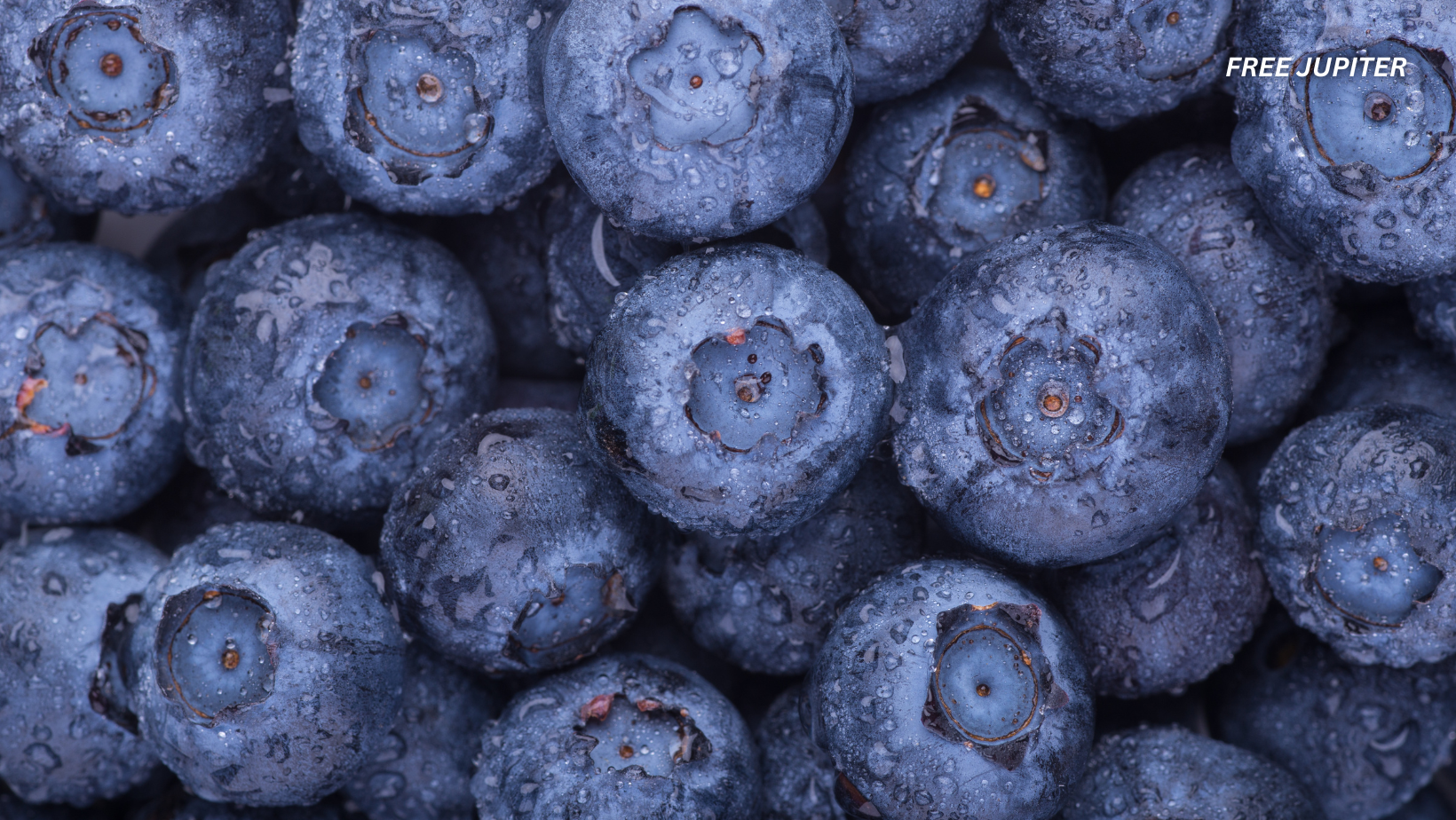
These oatmeal cups are loaded with fiber from multiple ingredients, including rolled oats, blueberries, bananas, and nuts like pecans. Each ingredient plays a slightly different role, but together they create a powerful mix for digestion.
Oats are especially helpful because they contain both types of fiber your body needs. Soluble fiber absorbs water and turns into a soft gel during digestion. This helps soften stool and makes it easier to pass. Insoluble fiber adds bulk, which helps move waste through the intestines more efficiently.
Even one oatmeal cup can provide around three grams of fiber, which is about ten percent of what most people need in a day. It may not sound like much, but small amounts add up quickly, especially when eaten consistently.
Gentle Support for Gut Bacteria
Your gut is home to trillions of bacteria that help digest food, absorb nutrients, and keep inflammation in check. Together, they are known as the gut microbiome. When these bacteria are healthy and diverse, digestion tends to be smoother and more predictable.
Fiber is one of the main foods these bacteria rely on. Oats contain a special type of soluble fiber called beta glucan. When beta glucan reaches the gut, it is fermented by beneficial bacteria. This process helps support a balanced microbiome and may reduce inflammation in the digestive tract.
A healthier gut environment often leads to more regular bowel movements and less discomfort overall.
Related article: People Who Stress-Eat Junk Food Usually Share These 9 Traits
Plant Compounds That Help the Gut
Blueberries and pecans do more than add flavor and texture. They are rich in natural plant compounds called polyphenols. These compounds interact with gut bacteria in helpful ways.
As polyphenols travel through the digestive system, they support the production of substances that strengthen the gut lining and calm inflammation. They also encourage the growth of beneficial bacteria. Over time, this combination may make digestion more efficient and bowel movements more regular.
Why a Midmorning Snack Makes Sense
Adding fiber at breakfast is helpful, but spreading fiber intake throughout the day is even better. A midmorning snack fills the gap between breakfast and lunch while supporting steady energy levels.
Fiber slows digestion slightly, which helps you feel full longer and prevents sudden drops in energy. It also adds moisture and bulk to stool, both of which are essential for comfortable bathroom visits.
Good fiber rich snack options include fruits, vegetables, whole grains, beans, seeds, and nuts. Aim for snacks that offer at least three grams of fiber per serving. Drinking water alongside fiber is just as important, since fiber works best when it has enough fluid to absorb.
Simple combinations can be very effective. An apple with a spoonful of almond butter. Plain yogurt topped with berries and chia seeds. Or one baked oatmeal cup paired with a glass of water.
Foods That May Slow Things Down
While adding fiber is important, it also helps to be mindful of foods that may contribute to constipation. Highly processed foods that are low in fiber and high in added sugar or salt tend to crowd out healthier options.
These foods are often dry and lack water content, which can make stools harder over time. When they make up a large part of the diet, there is simply less room for fiber rich foods that support digestion.
Balancing your intake does not mean avoiding treats completely. It just means making sure fiber rich foods show up consistently throughout the day.
Other Fiber Rich Breakfast Ideas
If oatmeal cups are not your thing, there are plenty of other breakfast friendly options that support digestion. Blended oats with berries offer a smooth and filling start to the day. Smoothies made with fruit, chia seeds, and oats are gentle on the stomach while still providing fiber. Even quinoa based oatmeal mixes can add variety while keeping fiber intake high.
The key is choosing whole foods that naturally contain fiber and pairing them with enough fluids.
Related article:What Your Favorite Food Says About Your Personality, According to Psychologists
The Bottom Line
Constipation is common, but it does not have to be your normal. Small daily choices, especially in the morning, can make a noticeable difference. Fiber rich snacks help soften stool, support healthy gut bacteria, and encourage regular digestion.
Baked blueberry and banana oatmeal cups check all the right boxes. They are easy to eat, naturally high in fiber, low in added sugar, and full of plant compounds that support gut health. With consistent choices like these, your mornings can feel lighter, more comfortable, and far less stressful.
Sometimes, better digestion really does start with one simple snack.
Featured image: Freepik.
Friendly Note: FreeJupiter.com shares general information for curious minds. Please fact-check all claims and double-check health info with a qualified professional. 🌱