
Climbing a set of stairs can feel deceptively challenging. One moment you are moving along just fine, and the next you reach the top slightly out of breath, maybe pausing longer than you expected. This experience is incredibly common, yet it often triggers quiet worries. Many people wonder if getting winded from walking up the stairs is normal or if it is a subtle warning sign the body is trying to send.
In reality, the answer depends on context. For many people, stair related breathlessness is a natural and harmless response. For others, it can highlight changes in fitness or underlying health issues that deserve attention. Understanding what your body is doing and why can help you respond calmly and wisely.
Why climbing stairs makes breathing feel harder
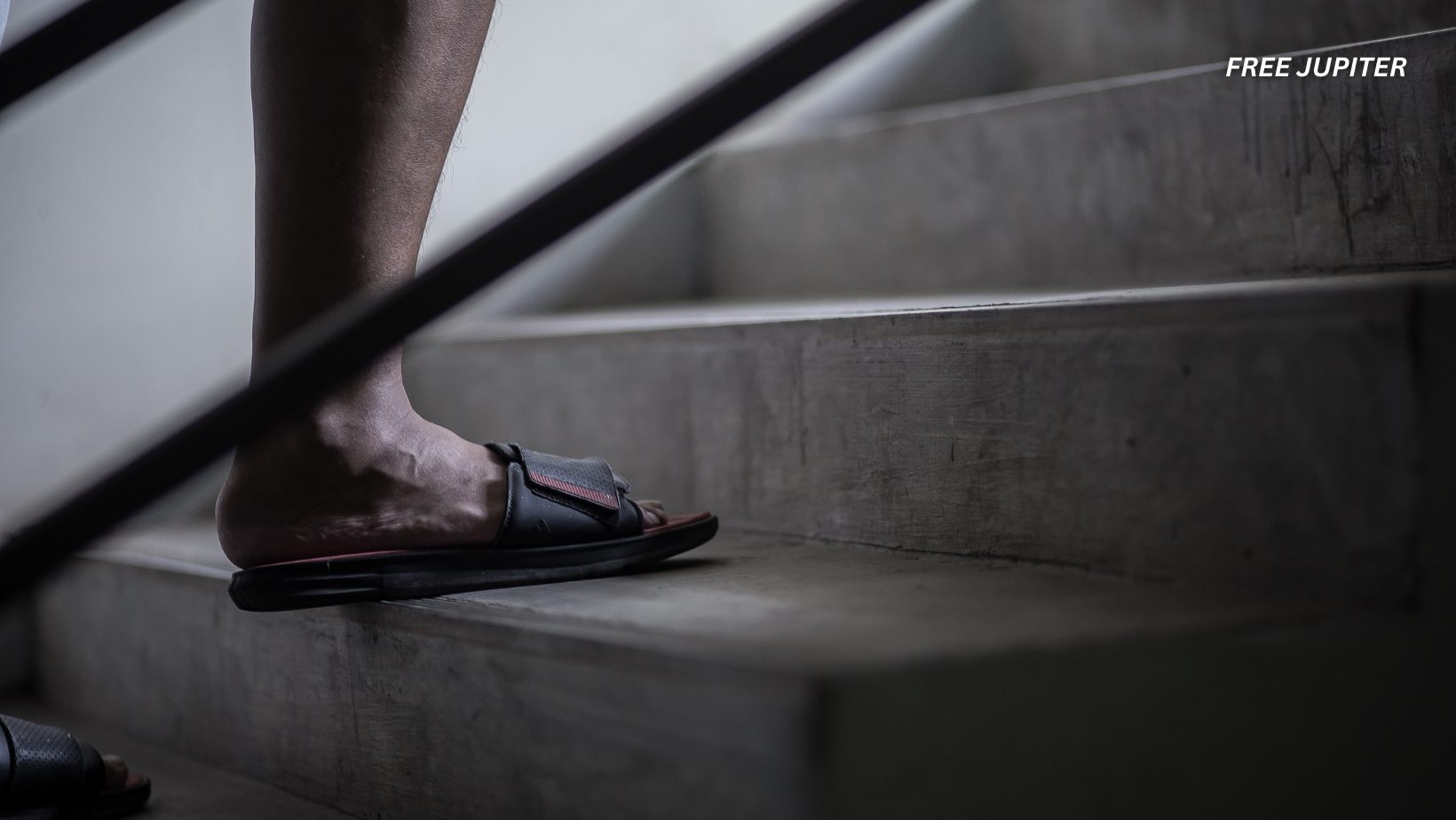
Walking on flat ground is one of the most efficient movements the human body can perform. Stair climbing changes the equation. Each step forces your body to move upward against gravity, which immediately increases the workload placed on your muscles.
Your leg and hip muscles must contract more forcefully, and your body requires more energy to sustain that effort. To meet this demand, your heart pumps faster and your lungs pull in more air. This is why your breathing naturally speeds up and feels heavier when climbing stairs.
This reaction is known as a normal physical response to increased exertion. If you feel out of breath briefly and recover within a short period, your body is functioning as expected. It does not mean something is wrong. It simply reflects that stair climbing is more demanding than it looks.
Related article: Scientists Reveal The Minimum Amount Of Exercise You Need To Offset Sitting All Day
Why stair climbing feels harder for some people
Not everyone experiences stairs the same way. Some people glide up several flights with ease, while others feel winded after just one. This difference often comes down to daily habits and overall conditioning.
People who move regularly tend to adapt better to sudden physical demands. Walking frequently, doing household chores, or engaging in light exercise helps keep the heart, lungs, and muscles prepared. In contrast, a mostly sedentary lifestyle can make even simple activities feel more taxing.
Body weight also matters. Carrying extra weight increases the effort required to lift the body upward with each step. Age can influence endurance as well, although regular movement can significantly reduce age related decline.
What you are carrying plays a role too. Groceries, backpacks, laundry baskets, or luggage add to the physical load. Comparing yourself to athletes or highly active individuals is rarely fair. For the average adult, especially in modern lifestyles that involve long hours of sitting, getting winded on the stairs is extremely common.
When shortness of breath deserves closer attention
While occasional breathlessness is usually harmless, certain patterns should not be ignored. One of the most important signs to notice is change.
If you previously climbed stairs without difficulty and now find yourself struggling, that shift matters. The same is true if your breathlessness is becoming more intense or frequent over time.
Recovery time is another key clue. Breathing faster for a minute or two after climbing stairs is normal. If your breathing remains heavy for several minutes or longer, that may signal reduced cardiovascular or lung efficiency.
Pay attention to symptoms that occur alongside breathlessness. Chest pain, pressure, dizziness, headaches, nausea, or changes in vision are not typical responses to everyday exertion. If these occur, it is important to speak with a healthcare professional rather than brushing them aside.
Health conditions that can make stairs more challenging
Several medical factors can make stair climbing feel unusually difficult. Heart conditions can limit how effectively oxygen is delivered to working muscles. Lung conditions can reduce airflow and oxygen exchange, making exertion feel harder.
Smoking, even in the past, can affect lung function long term. Anemia can leave you feeling short of breath because oxygen is not carried efficiently through the bloodstream. Obesity can increase physical strain, making each step more demanding.
These possibilities do not mean that breathlessness automatically indicates illness. They do explain why persistent or worsening symptoms should be evaluated rather than dismissed as being out of shape.
A practical fitness marker doctors often consider
Stair climbing is sometimes used as a simple way to gauge functional fitness. Healthcare providers may ask whether a person can carry groceries up three or four flights of stairs.
Being out of breath at the top is not the primary concern. What matters is whether the task can be completed without alarming symptoms such as chest pain, severe dizziness, or visual changes. For many adults, being able to do this is considered a reassuring sign of baseline strength and endurance.
Related article: If You Are Sleeping In This One Position, Doctors Say Stop Immediately
How to improve stair climbing endurance safely
If you want stairs to feel easier, the most effective approach is gradual, consistent movement. As long as you do not have a medical condition that limits activity, gentle practice can make a meaningful difference.
Your body adapts to what you ask of it. The muscles used for stair climbing become stronger when used regularly. Simple strength exercises like squats, lunges, and step ups can help build power in the legs and hips.
Cardiovascular fitness matters just as much. Activities that gently raise your heart rate, such as walking, cycling, swimming, or dancing, help your heart and lungs work more efficiently together. Over time, this can reduce the fatigue you feel during daily activities.
Build endurance without overdoing it
Improving fitness does not require extreme workouts or repeated stair laps. In fact, pushing too hard can lead to injury or burnout. A gradual approach is often more sustainable and enjoyable.
You might start by choosing the stairs instead of the elevator once a day. As your comfort improves, you can increase frequency. Other forms of movement count too. Gardening, yard work, walking with a neighbor, or even active house cleaning all contribute to better endurance.
The key is consistency. Small efforts repeated regularly are far more effective than occasional bursts of intense exercise.
The bigger picture
Getting winded from walking up the stairs is often a normal response to physical effort. It reflects how your body responds to increased demand, not necessarily a problem. However, changes in your tolerance, prolonged recovery, or additional symptoms are signals worth listening to.
By staying active, paying attention to your body, and seeking medical advice when something feels off, you can support both confidence and long term health. Over time, many people notice that stairs feel less daunting, breathing feels steadier, and everyday movements become easier again.
Why Daily Movement Matters More Than Intense Workouts
Research consistently shows that regular low intensity movement can significantly improve heart and lung health. Even short daily walks can enhance endurance and reduce breathlessness during routine tasks.
How Sedentary Lifestyles Quietly Affect the Heart and Lungs
Extended sitting has been linked to reduced cardiovascular efficiency. This helps explain why simple activities like stair climbing can feel harder for people who move less during the day.
The Hidden Role of Muscle Strength in Everyday Fatigue
Weak leg and core muscles can increase effort during common movements. Strength training is not just for athletes. It supports balance, mobility, and stamina at every age.
Related video: Do These 5 Things Every Single Morning And Watch Your Entire Day Transform
When Shortness of Breath Is a Symptom Worth Investigating
Understanding the difference between normal exertion and medical breathlessness can help people seek care earlier and avoid unnecessary anxiety.
By seeing stair climbing as both a signal and an opportunity, you can use it as a simple way to stay aware of your health and gently improve it over time.
Featured image: Freepik.
Friendly Note: FreeJupiter.com shares general information for curious minds. Please fact-check all claims and double-check health info with a qualified professional. 🌱