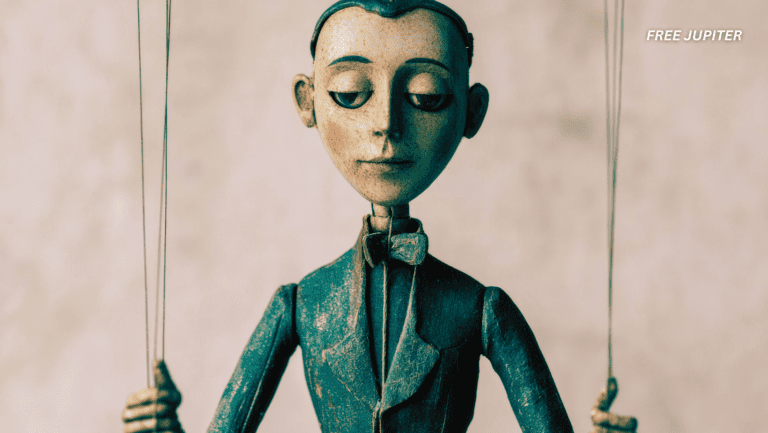


For many people, the end of the day brings relief. The outside world fades, expectations disappear, and the pressure to perform dissolves. This feeling is not simply about being tired. It is about energy returning to its natural state.
Introverts tend to experience life more internally. Their nervous systems respond strongly to stimulation, whether social, emotional, or environmental. While extroverts often feel energized by activity and interaction, introverts regain balance through stillness, familiarity, and reflection.
This difference is not about strength or weakness. It is about wiring. And even within introversion, there is no single template. Some introverts love conversation but not crowds. Others crave ideas more than people. Some feel emotionally sensitive in social spaces, while others move carefully and deliberately through life.
Understanding these variations can replace self criticism with self awareness. It can also help introverts design lives that feel supportive instead of exhausting.
Related article: Psychology Says There Are 4 Distinct Types of Introverts. Which One Are You?
The Social Introvert Values Connection Without Overload
Social introverts often feel misunderstood because they do not fit the stereotype of someone who avoids people altogether. They can be engaging, expressive, and socially capable. Many even enjoy gatherings, storytelling, and shared laughter. The difference lies in scale and emotional return.
This type feels most comfortable in small groups or one on one interactions where conversation feels genuine and relaxed. Familiarity allows them to be present rather than performative. Large events filled with unfamiliar faces often feel mentally demanding, not because of fear, but because of the effort required to navigate social cues and expectations.
After spending time with others, social introverts often need solitude to rebalance. This is true even when the interaction was enjoyable. Without that recovery time, irritability and fatigue can creep in, leading to confusion about why something pleasant still feels draining.
Therapists often emphasize that honoring this rhythm is essential. Social introverts benefit from choosing events intentionally rather than out of obligation. Communicating limits does not make them difficult or antisocial. It allows them to show up more fully when they do engage. Solitude, in this context, becomes a form of emotional hygiene rather than isolation.
Related article: 11 Things Introverts Instantly Pick Up On That Extroverts Almost Always Completely Miss
The Thinking Introvert Finds Meaning in the Inner Landscape
Thinking introverts experience life primarily through thought. Their inner world is rich, layered, and constantly evolving. Ideas, memories, questions, and imagination occupy a large part of their attention. This mental activity feels grounding rather than overwhelming.
This type often enjoys learning for its own sake. Reading, researching, journaling, or creative pursuits offer a sense of fulfillment that external validation rarely matches. They may spend long periods absorbed in reflection, not as avoidance, but as a way of processing reality.
In conversations, thinking introverts may pause before responding or struggle to keep up with rapid exchanges. This does not mean they lack opinions or interest. They simply prefer depth over speed. When pressured to respond immediately, they may feel mentally scattered or misunderstood.
Mental health professionals often encourage thinking introverts to protect their reflective time while staying gently connected to others. Sharing ideas gradually, even in small ways, allows their insight to reach the outside world. Their imagination and analytical ability are not indulgences. They are tools for understanding, creativity, and growth.
The Anxious Introvert Feels Social Energy Intensely
Anxious introverts often live in a state of emotional anticipation. Before social interactions, they may feel tense, uncertain, or overly aware of how they might be perceived. Afterward, their minds may replay conversations, focusing on moments that felt awkward or imperfect.
This pattern does not come from a dislike of people. Many anxious introverts deeply value connection and often enjoy socializing once they feel settled. The difficulty lies in the emotional buildup and aftermath rather than the interaction itself.
Because of this intensity, anxious introverts may avoid events, not because they do not want to attend, but because the emotional cost feels unpredictable. Over time, this can lead to isolation that reinforces anxiety rather than relieving it.
Therapists often focus on self compassion and gradual exposure for this type. Learning to attend events on one’s own terms can rebuild confidence. Reframing anxious thoughts helps reduce the belief that discomfort equals danger. The nervous system, in these cases, is simply reacting too strongly, not signaling real threat.
Understanding this can soften self judgment. Anxiety does not cancel out introversion. It adds another layer to how social energy is experienced.
The Restrained Introvert Approaches Life with Care and Intention
Restrained introverts are often described as cautious, observant, or reserved. They prefer to take in information before participating. Sudden changes, unexpected plans, or being asked to respond immediately can feel destabilizing rather than exciting.
This type values preparation. Mentally rehearsing situations helps them feel grounded. They often think deeply before speaking and choose words carefully. When placed on the spot, they may freeze or withdraw, not because they lack ideas, but because their process has been interrupted.
Routine and predictability provide comfort for restrained introverts. When expectations are clear, they can engage more confidently. After social interactions, they often feel relief when stimulation ends, signaling that their energy reserves have been used thoughtfully.
Therapists emphasize that this pace is not a problem to fix. Thoughtfulness, caution, and deliberation are strengths in a fast moving world. When restrained introverts feel respected rather than rushed, they often offer insight that others miss.
How Introvert Types Can Shift Over Time
While people often identify with one dominant introvert type, it is common to see overlap. Life experiences, stress, environment, and personal growth can influence how introversion shows up at different stages.
Someone may feel more socially introverted in their twenties and more restrained later in life. Anxiety may increase during periods of uncertainty and ease when stability returns. These shifts do not mean a personality has changed completely. They reflect adaptation.
Recognizing this flexibility helps people avoid boxing themselves into rigid labels. Introversion is a spectrum, not a fixed identity.
Related article: 9 Behaviors That Reveal When an Introvert Is Pretending to Be an Extrovert
Why Introversion Matters More Than Society Admits
Modern culture often celebrates visibility, speed, and constant engagement. This can make introverts feel like they are lagging behind or failing to keep up. Yet many of the qualities that sustain relationships, creativity, and thoughtful leadership come from introverted traits.
Listening deeply, reflecting before acting, noticing subtle emotional shifts, and forming meaningful connections are not secondary skills. They are essential ones.
No introvert type is superior, and no personality style holds all the answers. Social, thinking, anxious, and restrained introverts each bring something unique. When these differences are understood rather than judged, people can stop forcing themselves into roles that drain them.
You do not need to become louder, faster, or more visible to be valuable. Sometimes the most meaningful contributions come from those who move thoughtfully, listen carefully, and understand deeply. That has always been the quiet strength of introversion, even when the world forgets to notice it.
Featured image: Freepik.
Friendly Note: FreeJupiter.com shares general information for curious minds. Please fact-check all claims and double-check health info with a qualified professional. 🌱