

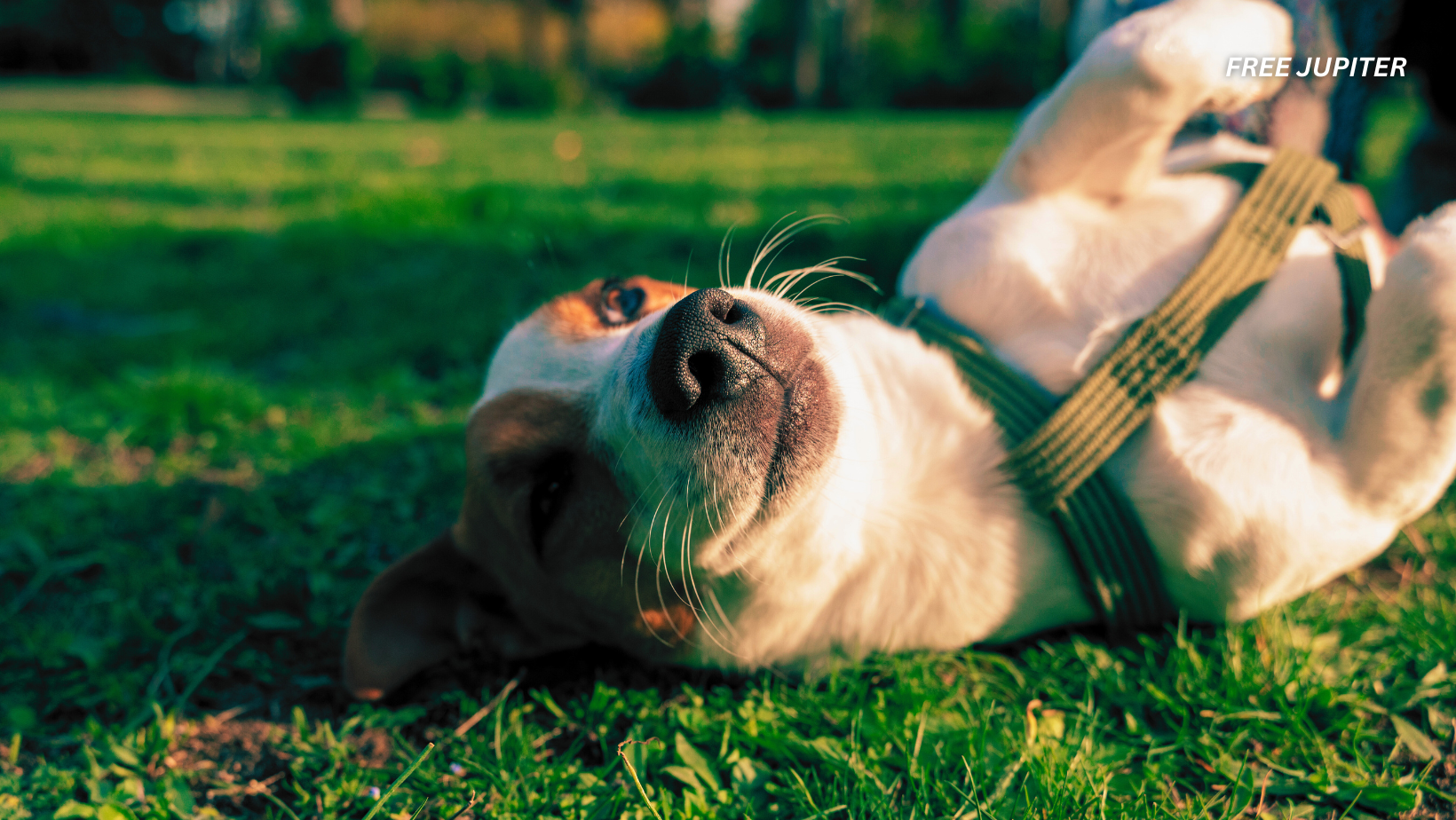
I was sitting at a café patio not long ago, watching a couple stroll by with their dog trotting happily between them. The dog kept glancing up at its humans, tail wagging almost like a quiet metronome, and I found myself reflecting on how much that simple behavior mirrors certain human tendencies.
It’s fascinating to consider that our preferences, like whether we lean toward dogs or cats, might reveal something about our personalities. Psychology suggests that the animals we feel drawn to are not random choices but subtle mirrors of our tendencies, values, and ways of relating to the world.
Here’s a look at ten characteristics that research and behavioral observations often associate with people who prefer dogs. These are not rigid rules but gentle invitations for self-reflection, helping you understand your connection style, emotional habits, and ways of living.
1. They value connection and social bonding
Dog lovers tend to place a high value on connection. Dogs themselves are social creatures, responding to attention, affection, and shared experiences. People who prefer dogs often resonate with that same energy, enjoying meaningful interactions with others.
This doesn’t mean they are always outgoing. Many are quiet or reflective, yet they prioritize depth and sincerity in relationships. Simple routines—like walking together without speaking or sharing a moment of silence after a long day—often hold more meaning than grand gestures.
Reflecting on this, it raises an important question: do you nurture your relationships intentionally, or do you assume closeness will simply persist on its own?
Related article: These Traits Are Common in People Who Choose Dogs Over Cats
2. They are comfortable with routine and structure
Dogs thrive on routine, and people who prefer them often feel a similar comfort in structure. Far from being restrictive, routines provide stability and predictability, which can feel grounding and supportive rather than confining.
This comfort often extends to daily life: morning rituals, regular exercise, consistent sleep schedules, or mindfulness practices can feel natural. Structure, when aligned with personal values, can simplify life rather than complicate it.
If routines feel heavy, it may not be structure itself that is the issue but a misalignment between your habits and your values.
3. They show strong empathy
Dog lovers are often attuned to subtle cues, noticing shifts in mood, tone, or body language. Caring for dogs encourages the development of empathy, which can carry over into human relationships.
These individuals are sensitive to unspoken needs and feelings. They are often the ones who sense when something feels off without anyone saying a word.
Empathy is powerful but requires boundaries. Being aware of others’ emotions is different from absorbing them. Mindfulness and self-awareness help maintain that balance, preserving emotional well-being while still being compassionate.
4. They embrace personal responsibility
Dogs rely on their humans in tangible ways, and people who prefer dogs often have a strong sense of accountability. Psychology links dog preference to individuals who accept that their actions have consequences and understand that consistency builds trust.
This is reflected in daily life: keeping promises, showing up when it matters, and taking ownership of mistakes rather than deflecting blame. Responsibility becomes empowering when chosen consciously rather than imposed externally.
5. They are emotionally expressive
People who prefer dogs often feel comfortable expressing emotions openly. Dogs respond to tone, touch, and presence, reinforcing honesty in emotional communication.
These individuals may laugh freely, voice frustration, or show affection openly. Expression becomes a tool for clarity rather than chaos. Learning to express feelings without overwhelming yourself or others is a skill that cultivates healthier relationships and self-understanding.
Related article: Airline To Allow Cats And Dogs To Fly Inside The Cabin With Their Owners
6. They lean toward collaboration over complete independence
Dogs thrive in cooperation and shared effort, and so do many dog lovers. They often prefer working and problem-solving alongside others rather than handling everything alone.
This can show up in the workplace or at home: enjoying teamwork, sharing responsibilities, and exchanging support in mutual efforts. Collaboration does not negate independence—it requires self-awareness and clear boundaries. It is a balance between self-effort and shared effort, something dogs naturally exemplify through loyalty tempered by guidance.
7. They adapt well in social settings
Dog owners frequently encounter diverse social situations, from dog parks to casual chats with strangers. Over time, this builds social adaptability. People who prefer dogs often read social cues more easily, adjusting communication styles without losing authenticity.
Adaptability does not mean people-pleasing; it means staying grounded while responding flexibly to different environments. Presence and attentiveness are the keys, allowing interactions to unfold naturally rather than being forced or controlled.
8. They maintain an optimistic outlook
Dogs live in the present, and this perspective often rubs off on their humans. Dog lovers tend to approach life with grounded optimism. This does not mean ignoring challenges, but rather believing that effort and persistence can lead to meaningful outcomes.
Optimism develops through attention. By focusing on the present instead of ruminating on the past or fearing the future, hope becomes realistic and actionable. When pessimism surfaces, noticing where your attention habitually rests can help cultivate a more balanced outlook.
9. They find meaning in care and service
Dog lovers often derive fulfillment from caring for others. Dogs require attention, consistency, and nurturing, fostering a mindset attuned to contribution and support.
This may extend to mentoring, volunteering, or simply being someone others can rely on. The sense of purpose is often tied to quiet, consistent acts of care rather than recognition or applause. Service becomes healthiest when intentional, preserving your energy and boundaries while still benefiting others.
10. They appreciate loyalty and long-term commitment
Finally, people who prefer dogs often value loyalty and long-term commitment, whether in relationships, work, or personal projects. Dogs’ steadfast nature encourages their humans to cultivate reliability and faithfulness.
Psychology suggests that this preference often aligns with a patient, persistent approach to goals, friendships, and responsibilities. It is not about rigidity but about a thoughtful investment in what truly matters.
Related article: ‘Flossie The Cat’ Just Turned 30 Years Old — She’s Now Officially The Worlds Oldest Living Cat
Final Thoughts
Preferring dogs over cats does not define who you are, but it can offer insight into your tendencies in connection, empathy, responsibility, and care. These traits are reflections rather than labels, invitations for awareness rather than judgment.
Observing which of these characteristics resonate and which feel aspirational can spark personal growth. Every preference can become a mirror, revealing patterns that, once noticed, can guide a more intentional and fulfilling life.
Featured image: Freepik.
Friendly Note: FreeJupiter.com shares general information for curious minds. Please fact-check all claims and double-check health info with a qualified professional. 🌱