

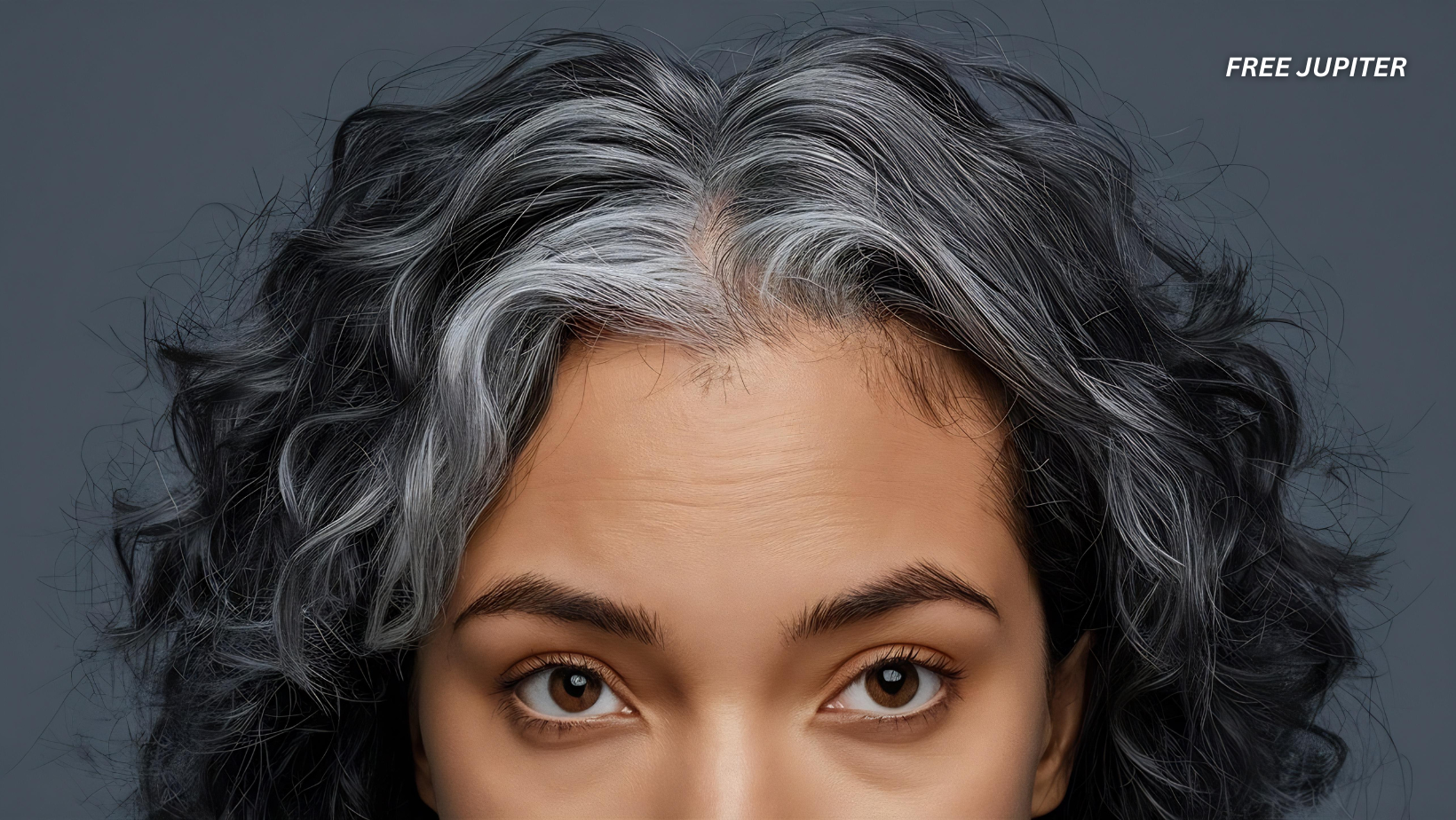
Many people treat gray hair as a simple milestone, a gentle indication that time is moving along. But scientists are discovering something far more intriguing. Those silver strands may not just mark the passage of years—they may reflect a hidden protective system within the body. Instead of being a superficial change, graying might be a visible hint that your body is actively protecting you at a cellular level.
Rather than thinking of it as something to cover up, it can be seen as a sign that your biology is doing exactly what it was designed to do: monitor, manage, and, when necessary, remove cells that may no longer be functioning safely.
How Hair Gains Its Color in the First Place
The story begins inside hair follicles, where pigment-producing cells known as melanocytes reside. These cells create melanin, the substance that gives each strand its natural shade. As new hair grows, melanocytes add color to it, allowing your hair to emerge in the shade you’ve had for years.
Although these pigment cells work faithfully for long periods, they are not immune to stress or aging. They are delicate, highly active cells that can be damaged by everyday life—exposure to sunlight, normal metabolic processes, inflammation, hormonal shifts, and other subtle internal changes.
For a long time, people assumed that gray hair was simply the result of melanocytes slowing down as part of the general aging process. Now, new research suggests the process is much more dynamic and may actually involve the body intentionally removing these cells.
Read more:Lab Study Shows Dandelion Root Kills Over 90% of Colon Cancer Cells In Just Two Days
A Protective Strategy Working Beneath the Surface
Inside the body, cells are constantly being inspected. When one is damaged beyond repair, the body often chooses to remove it altogether. This may seem harsh, but it prevents the cell from misbehaving later. Melanocytes are no exception. When they become unstable, they may pose a small but real risk, especially since certain pigment cells have the potential to turn into melanoma if things go very wrong.
Rather than risk that outcome, the body sometimes steps in and clears out compromised melanocytes. This removal results in a loss of pigment, and the hair that grows afterward comes out gray or white. It is not a punishment. It is not a malfunction. It is part of the body’s quiet, ongoing responsibility to keep you safe.
Seen this way, the shift in hair color becomes a visible echo of an invisible decision—a reminder that your body prioritizes long-term security over cosmetic consistency.
Why Some People Gray Sooner Than Others
The timing of graying varies widely, and understanding why can be both scientific and personal. Genetics play a significant role. Some families naturally gray earlier because their melanocytes follow a shorter lifespan. Others may retain their natural color for decades. The timeline often runs in families, passing from one generation to the next like a biological quirk.
Life experiences also influence how quickly melanocytes wear down. Ongoing stress can exhaust these cells and make them more vulnerable to damage. Environmental exposures, such as sunlight, pollutants, or smoking, add another layer of strain. Inflammation around the hair follicles, nutritional imbalances, and even changes in the nervous system can all contribute to the gradual decline of pigment-producing cells.
Although people sometimes believe that stress can instantly turn hair white, the process is more gradual than dramatic. Yet high stress does affect cellular behavior, which may, over time, shift the pace at which hair loses color.
Whatever the combination of influences, the underlying pattern remains the same: once the supportive environment around melanocytes shifts, their stability weakens, and the body may decide to clear them away.
The Trade-Off Between Color and Protection
People often view gray hair through a purely cosmetic lens. They ask how to get rid of it, how to slow it down, or how to hide it. But from a biological perspective, the shift in color can represent the body’s willingness to give up a bit of visual uniformity in exchange for reduced cellular risk.
This type of trade-off isn’t unique to hair. The body routinely makes choices that prioritize long-term well-being, even if the outward results are less than flattering. Skin peels after sunburn because damaged cells are swept away. Swelling appears during infection because the immune system has intensified its protective activity. Hair graying, although more subtle, fits into this same category of protective action.
When viewed from this angle, gray hair becomes less of a flaw and more of a quiet testament to the body’s vigilance.
Read more: Research Finds These Popular Snacks Can Shrink Your Hippocampus And Harm Your Memory
A Sign of Resilience and Ongoing Maintenance
Throughout history, gray hair has carried meanings that extend beyond biology. It has symbolized wisdom, authority, and the accumulation of experience. Now, modern science adds a new dimension. Silver strands may also reflect a well-maintained internal environment—one where problematic cells are stopped before they can cause harm.
A single gray strand can represent a pigment cell that lived its life, encountered damage, and was then carefully removed. It can symbolize a moment when your body detected something amiss and acted on it before you ever knew anything was happening. It may reflect a balance between aging gracefully and maintaining cellular safety.
Seeing gray hair through this lens creates a more dignified and grounded interpretation. It reframes the change as a natural part of your body’s ongoing conversation with itself.
What Gray Hair Reveals About the Body’s Larger Story
The emergence of gray hair is one of the few outward signs that allow you to observe your biology in real time. It mirrors deeper processes that usually remain invisible—immune actions, stress responses, cellular renewal, and protective mechanisms working quietly in the background.
Your silver strands might be hinting at how your body manages the wear and tear of life. They may reflect how your immune system has handled stress or how your cells have responded to environmental pressures. They may indicate moments of resilience that you never knew happened.
Gray hair is not only a reminder of time passing. It is also a sign that your biology is constantly evaluating itself, cleaning up what needs to go, and adjusting to keep you safe. In essence, it is a quiet symbol of the delicate balance your body maintains every day.
Read more: Scientists Find a Fungus That Literally Uses Radiation as Food
A New Appreciation for Silver Strands
The next time you notice a shimmer of gray in the mirror, you might pause for a moment before automatically viewing it as something to fix. That subtle shift in color may reveal a story of protection, renewal, and internal upkeep. It may reflect the graceful partnership between aging and health, where the body removes what no longer serves it while continuing to support what does.
Gray hair does not simply mark the passage of years. It tells a deeper story—one of survival, adaptation, and cellular wisdom. And perhaps, in its own quiet way, it is something to appreciate rather than resist.
Featured image: Freepik.
Friendly Note: FreeJupiter.com shares general information for curious minds. Please fact-check all claims and double-check health info with a qualified professional. 🌱