

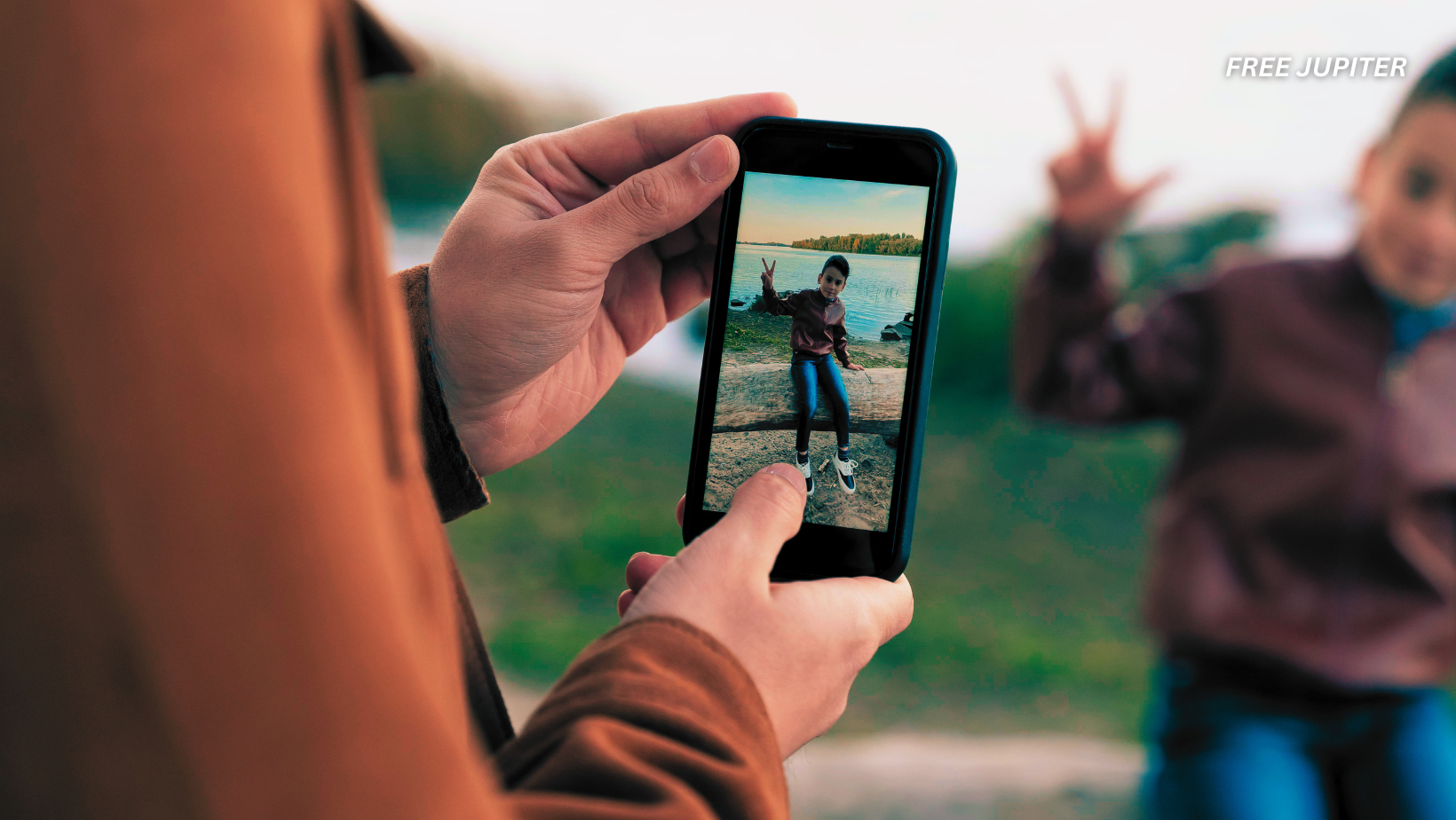
From the moment some children are conceived, their lives are already being shared online. Photos, updates, and personal milestones are posted long before they are old enough to understand what any of it means. What begins as a parent’s excitement can slowly turn into something much bigger, and according to experts, not always something safer.
This growing trend has a name. It is often called “sharenting,” a blend of sharing and parenting. While it may feel normal in today’s digital world, researchers and child development specialists are starting to question its long-term impact.
When Sharing Becomes a Digital Footprint
In earlier generations, parents kept memories in photo albums or shared stories with close friends and family. Today, those same moments can reach hundreds or even thousands of people in seconds.
A simple post about a child learning to walk or celebrating a birthday may seem harmless. Yet each upload contributes to a digital record that continues to grow over time. According to experts, this record can begin before a child is even born and follow them well into adulthood.
In one example, a child’s life was documented from pregnancy updates to school experiences and personal challenges. Even moments the child later found embarrassing remained online because they were seen as meaningful by the parent.
What makes this different from traditional storytelling is scale. A memory once shared in a small circle is now accessible to a much wider audience, often without limits.
Related article: Researcher Studies Over 200 Kids – And There’s One New Parenting Style That Works Better Than The Rest: It’s ‘What Kids Need But Rarely Receive’
The Hidden Risks Behind Everyday Posts
At first glance, posting about children may seem like a simple way to stay connected. But experts warn that it can come with unintended consequences.
One concern is privacy. When personal details are shared online, they become part of a larger system of data collection. Over time, this can create a detailed profile of a child’s life, including habits, preferences, and personal experiences.
There is also the issue of security. Some studies suggest that a large percentage of identity theft cases involving children may be linked to information shared online by adults. While parents may not intend harm, even small details can be used in ways they never expected.
Beyond security, there are social and emotional risks. A post that seems funny or harmless to an adult may feel very different to a child, especially as they grow older. What once received likes and comments could later become a source of embarrassment or discomfort.
Related article: Trauma Therapist Warns of ‘Invisible’ Parenting Behavior That Harms Children Long-Term
Growing Up in a Story Already Written
Childhood is often described as a time of discovery. It is when individuals begin to form their identity and understand who they are. But when much of a child’s life is already documented online, that process can become more complicated.
Experts suggest that children may struggle when the version of themselves online does not match how they see themselves in real life. For example, a child portrayed as cheerful and perfect may feel pressure to live up to that image. On the other hand, a child whose difficult moments were shared publicly may feel defined by those experiences.
There is also the question of control. Children usually have little say in what is posted about them. Over time, this lack of control can affect their sense of independence and confidence.
One important idea often discussed in child development is agency. This refers to a person’s ability to make choices and shape their own life. When too much of a child’s story is shared without their input, that sense of agency can be reduced.
When Parenting Meets Social Media Culture
Social media platforms are designed to encourage sharing. They reward posts with attention through likes, comments, and reactions. This can subtly influence what parents choose to share and how often they do it.
Instead of focusing only on the child, posts can sometimes reflect the parent’s own identity, values, or desire for connection. Over time, the line between documenting a child’s life and curating an online image can become less clear.
Experts point out that this shift may change the purpose of sharing. What begins as a way to celebrate a child can gradually turn into a way to engage with an audience.
This does not mean that all sharing is harmful. Rather, it highlights the importance of being mindful about what is shared and why.
The Long-Term Impact on Children
The effects of sharenting may not always be visible right away. Many of the consequences appear later, as children grow older and become more aware of their online presence.
Some potential challenges include:
Children may face teasing or bullying based on posts made about them when they were younger. Personal information shared online may affect future opportunities, including school admissions or job applications. Children may feel a loss of privacy, knowing that parts of their life were made public without their consent.
Perhaps one of the most important concerns is how it shapes self identity. When a child grows up seeing their life through the lens of posts and reactions, it may influence how they understand themselves.
Stories have a powerful effect. They do not just describe experiences. They help shape how those experiences are remembered and understood. When those stories are created by someone else, especially on a public platform, they can carry even more weight.
Finding a Healthier Balance
Despite these concerns, experts are not suggesting that parents stop sharing altogether. Instead, they encourage a more thoughtful approach.
This might include considering whether a post respects the child’s privacy, asking how the child might feel about it in the future, and limiting the amount of personal information shared online.
It can also help to involve children in decisions when they are old enough to understand. Giving them a voice in what is shared about their lives can support their sense of independence and self respect.
In many ways, the goal is simple. It is about allowing children the space to grow, explore, and eventually tell their own stories in their own way.
Related article: According to Parenting Research, This Common Family Habit Can ‘Backfire’ Big Time
A New Kind of Responsibility
Parenting has always involved guiding and protecting children. In today’s digital world, that responsibility extends into online spaces as well.
Every post, photo, or update becomes part of a larger narrative. While these moments may feel small in the present, they can have lasting effects over time.
Experts suggest a simple mindset. Share with care, think ahead, and remember that a child’s story ultimately belongs to them.
Because in the end, growing up is not just about being seen. It is about having the freedom to decide how you want to be known.
Featured image: Freepik.
Friendly Note: FreeJupiter.com shares general information for curious minds. Please fact-check all claims and double-check health info with a qualified professional. 🌱