

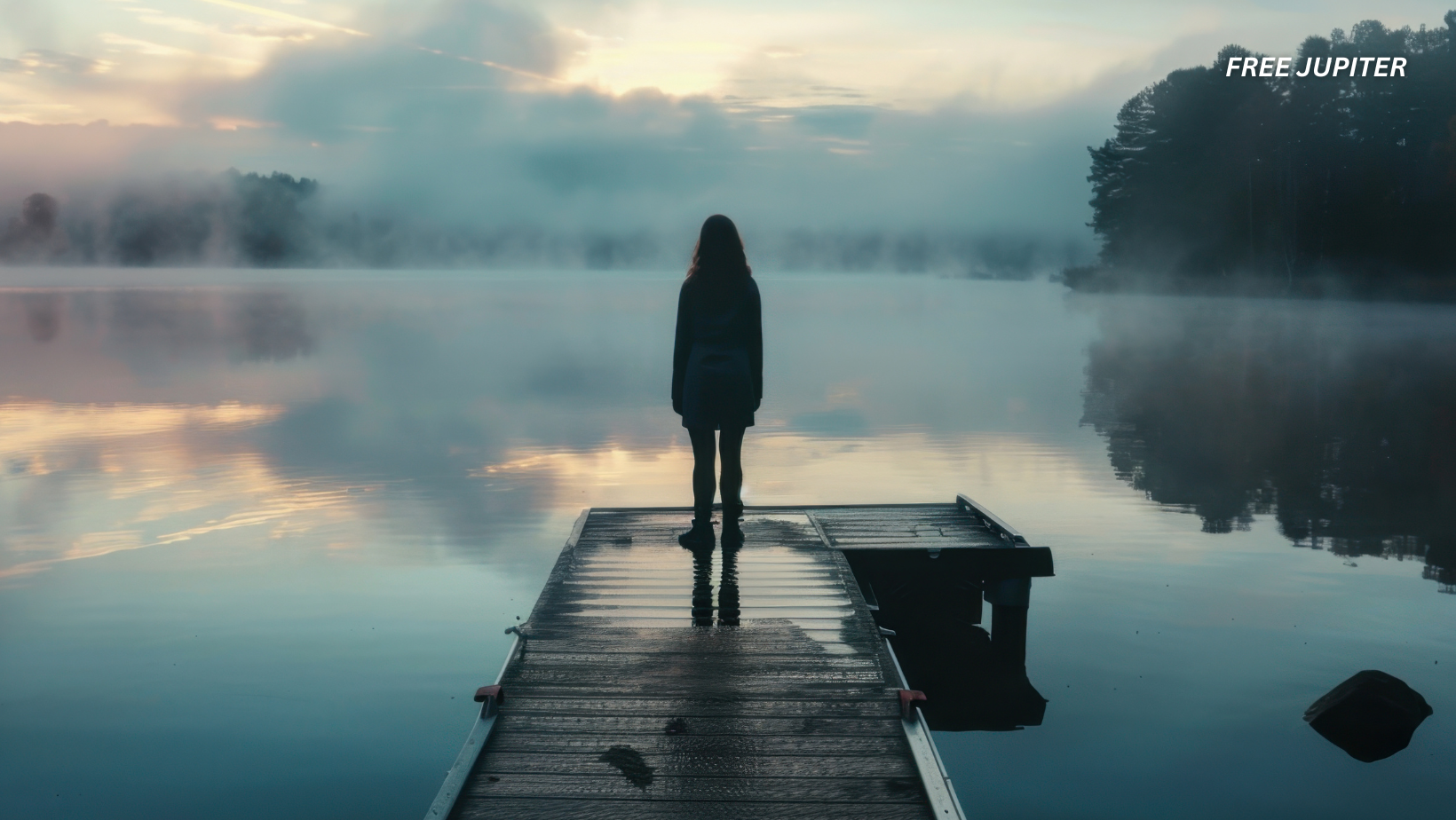
For a long time, spending a Friday night at home was treated like a problem that needed solving.
In a world that celebrates packed schedules, loud gatherings, and endless notifications, choosing solitude can look suspicious. If you are not out networking, socializing, or posting about your plans, it can feel as though you are falling behind. Yet for some people, an evening alone with their thoughts, a good book, or a creative project feels less like isolation and more like oxygen.
The truth is simple. Enjoying time alone is not a flaw. It is often a sign of inner strength.
People who genuinely like their own company are not missing out on life. They are building it from the inside. In a culture that often equates busyness with value, their strengths can go unnoticed. But look closer, and you will find something remarkable.
Here are nine uncommon personality strengths often found in people who truly enjoy being alone.
1. They Have Strong Self Awareness
Spending time alone means spending time with your own thoughts. That can be uncomfortable for many people. For those who embrace solitude, it becomes an opportunity.
Without constant distraction, they begin to notice patterns in their behavior. They understand what energizes them and what drains them. They recognize their emotional triggers. Over time, this reflection builds deep self awareness.
They do not need constant feedback to know how they feel. They have already checked in with themselves.
This clarity makes decision making easier. Instead of chasing trends or copying what others are doing, they act from a place of internal understanding. They are less likely to lose themselves in the crowd because they already know who they are.
In a noisy world, that kind of self knowledge is rare.
Related article: If You’d Rather Do These 8 Things Alone Than With Someone Else, You’re More Emotionally Strong Than You Think
2. They Can Regulate Their Emotions
Time alone requires emotional maturity. When you are by yourself, there is no one to distract you from a bad mood or instantly soothe your frustration. You must face your feelings directly.
Over time, this builds emotional regulation.
People who enjoy being alone learn how to calm themselves. They sit with disappointment rather than running from it. They process stress instead of projecting it. When life becomes difficult, they are less likely to panic because they have practiced managing their inner world.
This does not mean they never struggle. It means they have tools.
Emotional steadiness is not flashy. It does not draw attention in a crowded room. But it becomes powerful during moments of crisis. When others feel overwhelmed, those who are comfortable alone often remain grounded.
3. They Think Independently
Constant social exposure can shape opinions in subtle ways. The more time spent absorbing other people’s beliefs, the easier it becomes to adopt them without reflection.
Solitude creates mental space.
People who value time alone have room to form their own ideas. They read, reflect, question, and analyze without immediate outside influence. Their opinions tend to be more intentional because they have taken the time to think them through.
They are less swayed by peer pressure. They are less likely to follow a path simply because it is popular. If something does not align with their values, they are comfortable stepping aside.
Independent thinking does not mean stubbornness. It means their decisions are rooted in reflection rather than reaction.
4. They Set Healthy Boundaries
Choosing solitude in a highly social culture often requires courage. Invitations must sometimes be declined. Expectations must sometimes be challenged.
Over time, this builds strong boundaries.
People who genuinely enjoy being alone learn to protect their time and energy. They understand that saying no does not make them selfish. It makes them honest.
They are less afraid of disappointing others because they have already accepted that not everyone will understand their need for space. That acceptance gives them freedom.
Healthy boundaries are not walls. They are filters. They allow meaningful connections in while keeping unnecessary pressure out. This skill protects emotional well being and prevents burnout.
5. They Nurture Deep Creativity
Creativity thrives in space.
When the mind is not constantly flooded with noise, ideas begin to surface. Thoughts connect in unexpected ways. Solutions appear where there was once confusion.
People who enjoy being alone often give themselves this mental room. They are not always consuming content or reacting to external stimuli. Instead, they allow their own imagination to expand.
Writers, artists, entrepreneurs, and problem solvers frequently rely on solitude to refine their ideas. It is not about avoiding people. It is about creating conditions where originality can grow.
The result is work that feels thoughtful rather than rushed. Their ideas are often more developed because they were given time to mature.
6. They Are Internally Motivated
External validation can be powerful. Praise, recognition, and applause feel good. But relying on them for motivation can create instability.
People who enjoy being alone often operate differently. Their drive tends to come from within.
They pursue goals because those goals matter to them personally. They work on projects that align with their interests. Their sense of accomplishment is tied to progress, not public approval.
This internal motivation makes them consistent. When no one is watching, they continue. When recognition is delayed, they persist.
They are less likely to abandon their path simply because attention shifts elsewhere. Their satisfaction comes from doing the work itself.
Related article: If You Feel More Alone As You Get Older, These 8 Habits Might Explain Why
7. They Build Meaningful Relationships
Loving solitude does not mean avoiding connection. In fact, it often leads to stronger relationships.
When someone is comfortable alone, they do not seek companionship to fill a void. They choose relationships intentionally. Time with others becomes a conscious decision rather than a necessity.
Because of this, their social circles may be smaller, but the bonds are deeper. Conversations tend to be more genuine. Loyalty tends to be stronger. There is less tolerance for superficial connection.
They value quality over quantity.
This approach reduces drama and emotional exhaustion. Instead of spreading themselves thin, they invest in people who truly matter.
8. They Can Rest Without Shame
Modern culture often treats rest as laziness. Productivity is praised. Stillness is questioned.
People who genuinely enjoy being alone see rest differently.
For them, spending a day reading, thinking, or simply doing nothing is not wasted time. It is restoration. They understand that energy must be renewed before it can be spent again.
Because they do not measure their worth by constant activity, they experience less guilt when slowing down. This ability to pause protects mental health.
Rest becomes strategic rather than indulgent. It allows them to return to their responsibilities refreshed instead of depleted.
In the long run, this balanced rhythm supports sustainable success.
9. They Recover From Setbacks With Resilience
When challenges arise, many people immediately look outward for reassurance. Support is valuable, but dependence can become limiting.
Those who are comfortable alone have practiced processing difficulty internally. When disappointment strikes, they reflect. When failure occurs, they evaluate. When rejection happens, they reassess.
They do not collapse without immediate validation.
This self reliance strengthens resilience. Instead of spiraling, they analyze what can be learned. Instead of waiting for someone else to restore their confidence, they rebuild it from within.
That does not mean they avoid support entirely. It means they are not helpless without it.
Resilience grows through reflection, and solitude provides the space for that reflection to happen.
Related article: Psychologists Say These 9 Rare Strengths Belong to People Who Love Their Alone Time
The Quiet Strength of Solitude
Choosing to spend time alone in a socially driven world can feel countercultural. Yet it often signals emotional depth, intellectual independence, and psychological resilience.
People who enjoy solitude are not disconnected from life. They are connected in a different way. They are attuned to their inner voice. They move deliberately. They rest intentionally. They build relationships selectively.
In a culture that celebrates constant interaction, their strengths may not always stand out immediately. But over time, those strengths reveal themselves in steady confidence, creative insight, and grounded calm.
Solitude is not emptiness. It is space.
And in that space, uncommon strengths are formed.
Featured image: Freepik.
Friendly Note: FreeJupiter.com shares general information for curious minds. Please fact-check all claims and double-check health info with a qualified professional. 🌱