

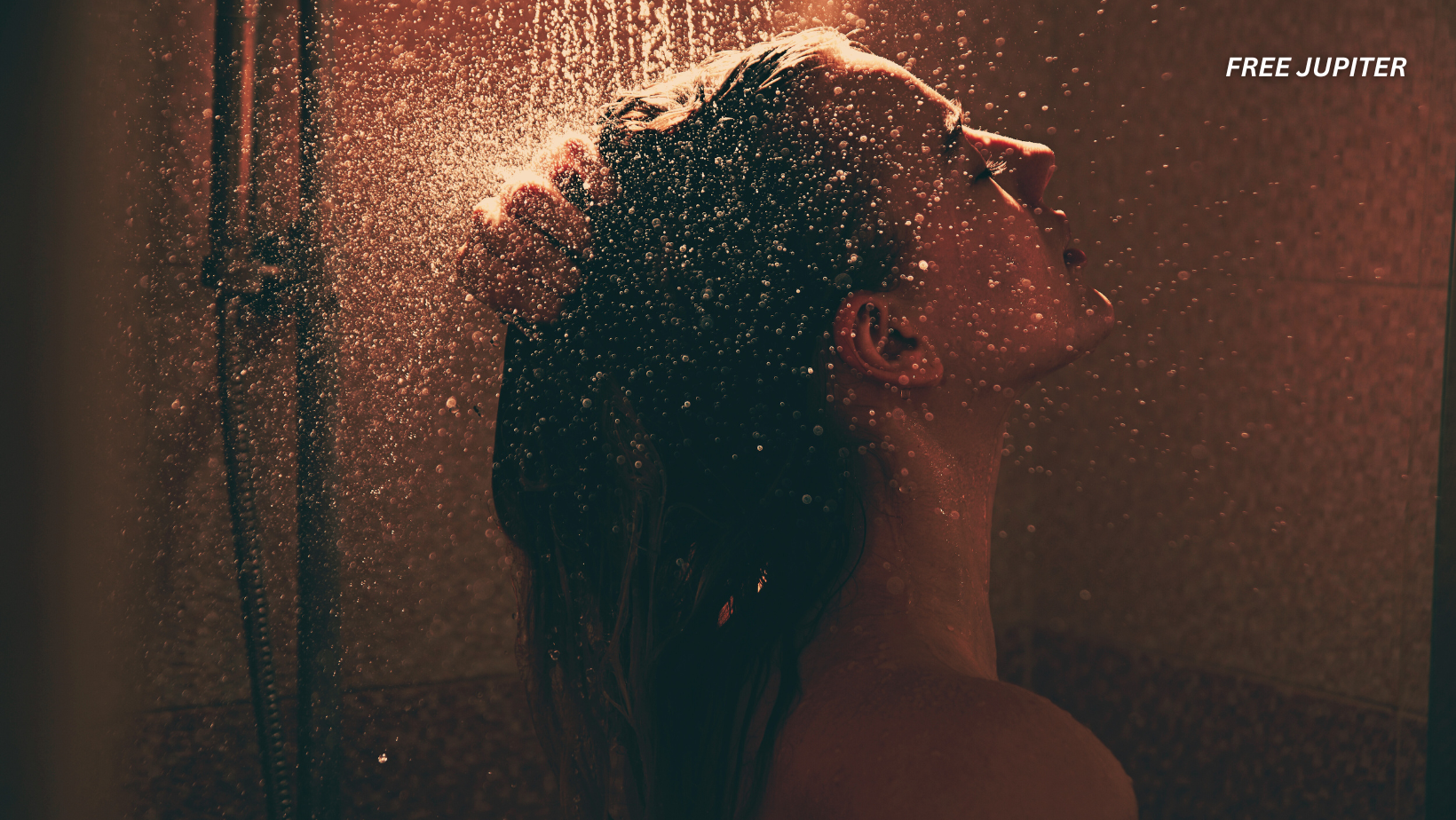
Daily routines often feel insignificant because they happen on autopilot. Showering, in particular, is usually treated as a basic necessity rather than a meaningful choice. Yet psychology suggests that even small habits can quietly reveal how people manage stress, energy, and emotional transitions. One such habit is the preference for showering at night instead of in the morning.
For some, the shift to evening showers happens out of necessity. Mornings feel rushed, physically demanding, or mentally overwhelming. For others, it begins as an experiment that unexpectedly improves sleep and overall well being. Over time, the evening shower becomes more than a hygiene routine. It turns into a personal ritual that closes the day.
Researchers studying behavior and routine formation suggest that repeated choices often align with deeper personality traits. While neither morning nor night showers are inherently better, people who consistently shower at night tend to show certain shared patterns in how they approach life.
A strong appreciation for rest and recovery
Night showerers often see rest as an essential part of functioning well, not something earned only after exhaustion. They understand that the body and mind need time to recover from daily demands. Instead of pushing through fatigue and relying on stimulation to reset in the morning, they choose to slow down intentionally in the evening.
Psychologists note that people who prioritize recovery are often better at sustaining long term performance. The evening shower becomes a physical signal that effort has ended for the day. Warm water relaxes muscles, eases joint tension, and encourages the nervous system to shift out of stress mode. Over time, this habit reinforces the idea that rest is productive in its own way.
Related article: If You See These Tiny Red Dots on Your Skin, Here’s What It Means, According to a Dermatologist
A naturally reflective thinking style
Many people who shower at night describe it as one of the few moments in the day when they are truly alone with their thoughts. Without screens, conversations, or responsibilities pulling attention outward, the mind has space to process experiences.
Psychological research shows that reflection often occurs during low effort activities. The repetitive sensation of water combined with physical warmth encourages mental wandering. This is why people often report sudden insights or emotional clarity during evening showers. For reflective thinkers, this routine becomes a reliable time to make sense of the day, revisit conversations, or gently explore ideas without pressure.
Alignment with evening energy rhythms
Not everyone is wired to feel sharp and energetic early in the morning. Chronotype research suggests that a significant portion of the population functions better later in the day. These individuals often feel mentally foggy after waking and become more alert as the day progresses.
Night showering aligns naturally with this rhythm. Instead of forcing activity during low energy periods, evening showerers work with their biological timing. The shower fits into the part of the day when their body is still responsive but ready to slow down. Psychology suggests that honoring natural rhythms rather than resisting them can reduce chronic fatigue and improve overall mood.
Clear boundaries between work and personal life
One defining feature of night showerers is their desire for separation between roles. The shower often acts as a psychological boundary that marks the end of work and the beginning of personal time. This is especially common among people whose jobs involve mental strain, emotional labor, or physical demands.
Behavioral psychologists refer to this as a transition ritual. By repeating the same action at the same time each evening, the brain learns to associate it with letting go of responsibility. This makes it easier to relax afterward. Over time, this boundary can prevent work related stress from spilling into rest, relationships, and sleep.
Sensitivity to physical comfort and cleanliness
For many night showerers, physical comfort plays a major role in their decision. After spending hours exposed to heat, sweat, pollution, or shared environments, going to bed without washing can feel uncomfortable or unsettling.
Psychology recognizes that people vary widely in their sensitivity to physical sensations. Those with lower tolerance for discomfort often prefer to eliminate irritants before rest. This preference is not about perfection or fear of germs. It is about associating sleep with a sense of freshness and calm. Clean sheets and a clean body together create a feeling of closure that helps the mind settle.
Related article: These “Toxic” Shampoo Ingredients Are Far More Dangerous Than You Realize
An intuitive understanding of better sleep habits
Even without formal knowledge of sleep science, many night showerers notice a clear pattern. They fall asleep faster and sleep more deeply after showering in the evening. Research supports this experience.
Warm showers temporarily raise skin temperature. When the body cools afterward, the drop in core temperature signals the brain that it is time to sleep. This natural process helps regulate circadian rhythms. People who experience this effect intuitively continue the habit because it improves how they feel the next day. Psychology suggests that behaviors reinforced by better sleep are especially likely to become long term routines.
More efficient and calmer mornings
Contrary to stereotypes, night showerers are often practical planners. By showering the night before, they simplify their mornings. This can reduce time pressure and mental strain immediately after waking.
Psychologists refer to this as reducing decision load. Each task removed from the morning routine conserves mental energy. People who value calm starts to the day often structure their routines to minimize early demands. Showering at night allows them to focus on essentials in the morning without rushing.
Independence in everyday decision making
Choosing to shower at night often reflects comfort with making independent choices. Morning showers are widely treated as the default routine. People who shower at night are less influenced by convention and more guided by personal preference.
Psychology links this behavior to autonomy and self trust. Individuals who feel confident adjusting small routines are often comfortable doing the same in larger life decisions. They tend to evaluate what works for them rather than following habits simply because they are common.
Emotional decompression through routine
Evening showers often serve as emotional release valves. Warm water can calm the nervous system and reduce physiological stress responses. This makes it easier to let go of frustration, tension, or lingering worries from the day.
Psychologists studying emotional regulation note that predictable calming routines help the brain transition into a state of safety. Over time, the body begins to associate the evening shower with relaxation. This can reduce nighttime anxiety and improve emotional balance before sleep.
A preference for gentle transitions
Many night showerers dislike abrupt shifts from activity to rest. Instead of going straight from stimulation to sleep, they insert a calming pause. The shower becomes a bridge that gradually slows both body and mind.
This preference for transitions reflects a broader psychological pattern. People who favor gradual changes often manage stress more gently and avoid emotional overload. They understand that rest is more effective when it is prepared for rather than forced.
Related article: Mexico City Installs Vertical Flower Gardens on Highway Pillars to Fight Pollution
Closing thoughts
Showering at night is not a sign of laziness, indulgence, or defiance of routine. It is simply one of many ways people structure their day to support comfort and well being. Morning showers can energize and refresh, while evening showers offer closure and calm.
Psychology suggests that daily habits often mirror deeper values. For night showerers, the choice usually reflects an appreciation for rest, reflection, and intentional transitions. It is a quiet way of signaling that the day has ended and that recovery matters.
In the end, the best routine is the one that helps you feel grounded, rested, and ready for what comes next. Whether your shower marks the beginning or the end of the day, its timing says more about how you care for yourself than it does about the clock.
Featured image: Freepik.
Friendly Note: FreeJupiter.com shares general information for curious minds. Please fact-check all claims and double-check health info with a qualified professional. 🌱