

It’s amazing how we walk past certain items every single day without giving them a second thought. They sit quietly on shelves, hang from walls, hide under cabinets, or live in drawers—just existing, minding their own business. Yet, some of these ordinary objects are quietly capable of causing trouble when misused, ignored, or simply misunderstood.
This doesn’t mean you should suddenly fear your household. Instead, it’s a gentle reminder that a little awareness can prevent a lot of unnecessary stress. Most hazards don’t announce themselves with dramatic fanfare—they like to stay humble and unnoticed. So, here’s a closer look at fourteen everyday things that deserve a bit more respect, simply because understanding them helps keep your home healthier, safer, and a whole lot calmer.
1. Teflon Cookware: Convenient, But Sensitive to Heat
Non-stick pans are kitchen superstars—they’re light, easy to clean, and make breakfast feel effortless. But even the best tools have limits. When Teflon cookware is heated beyond extremely high temperatures, the coating can begin releasing fumes that aren’t ideal to breathe in. Some people experience flu-like symptoms after inhaling these vapors, and certain household pets, especially birds, are highly sensitive to them.
You don’t need to throw your pans out. You just need to treat them kindly:
- Use low to medium heat instead of blasting the highest setting.
- Turn on the range hood for ventilation.
- Never preheat an empty pan at full blast—it heats up faster than you’d expect.
- Don’t leave it unattended, even “for a second.”
If you prefer cookware that can handle higher temperatures, stainless steel or cast iron pans are great alternatives. They may require a little seasoning and patience, but they’re durable, reliable, and perfectly safe under intense heat.
Read more: Don’t Toss Them! These Old Household Items Might Be Worth Big Money!
2. Extension Cords: Handy, But Not Meant for Everything
Extension cords feel like problem-solving noodles. Need power across the room? Plug it in. Need a charging spot somewhere inconvenient? There you go. But these cords have a limit, and overloading them is one of the most common causes of household electrical fires.
Some safety reminders:
- Don’t chain multiple extension cords together.
- Keep them away from rugs or doors, where the insulation can get damaged.
- Match the cord’s rating with the device you’re plugging in.
- Replace cords with worn-out insulation, exposed wires, or stiff sections.
Extension cords should be temporary helpers—not permanent wiring. If you find yourself relying heavily on them, it might be time to add more outlets or rearrange your setup.
3. Bathroom Mold: Small Spots, Big Trouble
Bathrooms are humidity’s favorite playground. Every shower sends steam swirling into corners, tiles, grout lines, and hidden nooks. That constant moisture makes mold extremely comfortable there.
Mold is more than an aesthetic issue. When the spores drift through the air, they can irritate your nose, eyes, and lungs. People with asthma or allergies may feel the effects more strongly.
A healthier bathroom requires consistent habits:
- Run the exhaust fan during and after showers.
- Keep windows open when possible.
- Wipe down wet surfaces after long showers.
- Fix any leaks quickly—they’re mold’s best friends.
- Clean tiles regularly with mold-fighting solutions.
If mold spreads into walls or ceilings, a professional may be necessary. A clean, dry bathroom doesn’t just look better—it keeps the air in your home fresher.
4. Space Heaters: Cozy Comfort With Hidden Risks
A small space heater can transform a cold room into a warm sanctuary. But these compact devices are one of the leading causes of home fires.
To use them safely:
- Keep a three-foot “safety zone” around the heater.
- Avoid placing it near blankets, curtains, stuffed toys, or furniture.
- Always plug it directly into a wall outlet—never an extension cord.
- Choose models with tip-over protection and automatic shut-off.
- Turn it off before sleeping or leaving the house.
A little caution goes a long way. With proper placement and supervision, space heaters can stay cozy—not risky.
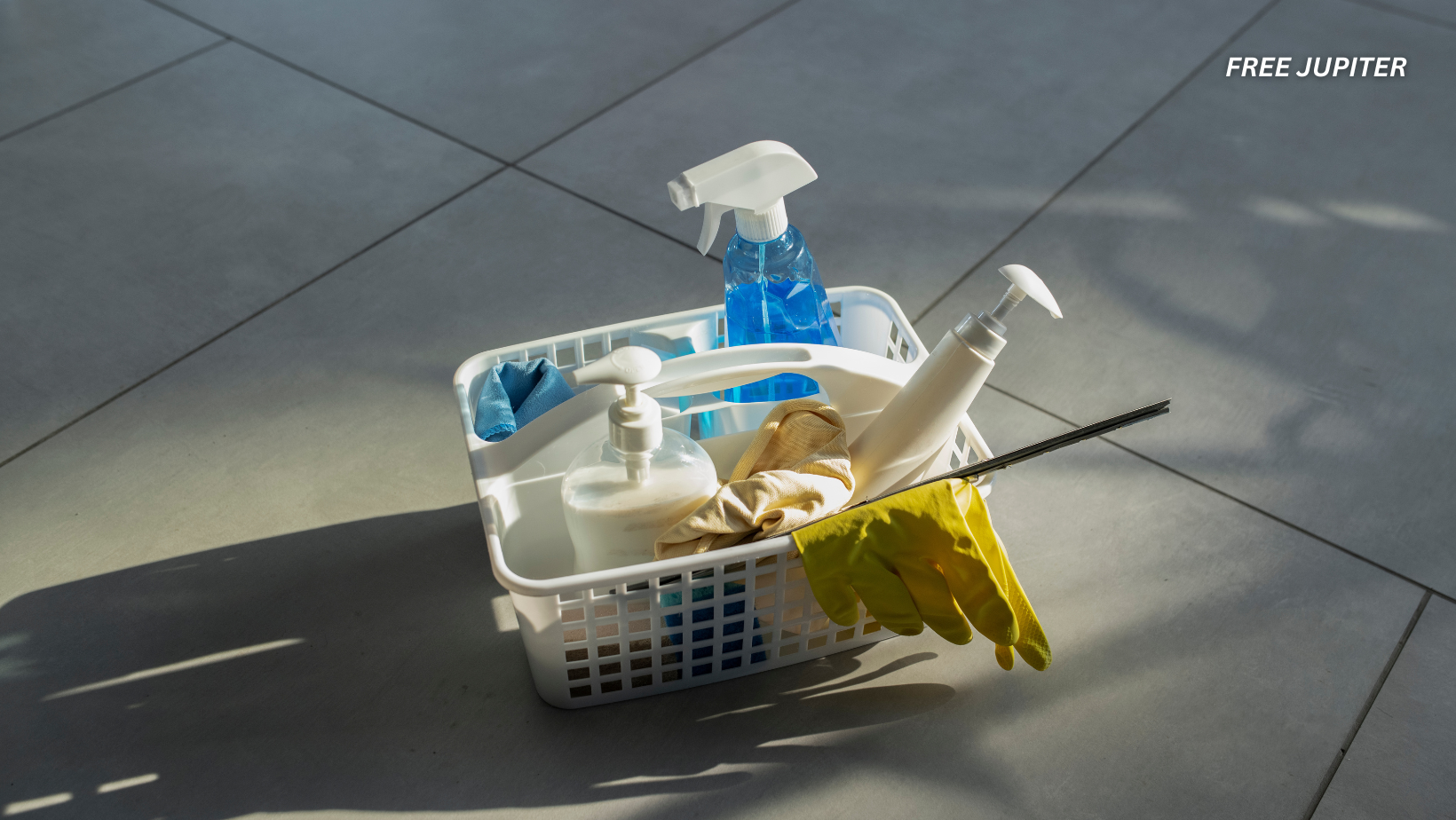
5. Cleaning Products: Powerful, But Sometimes Harsh
Under your sink might be a lineup of colorful bottles promising fresh scents and sparkling surfaces. But some of these cleaners contain chemicals that irritate the lungs, skin, and eyes when used improperly.
Common risks include:
- Strong fumes from bleach or ammonia
- Respiratory irritation from aerosol sprays
- Dangerous reactions when certain products are mixed
You can reduce risks easily:
- Open windows or turn on fans while cleaning.
- Wear gloves for strong products.
- Never mix different cleaners—especially anything with bleach.
- Store products away from children and pets.
If you want gentler alternatives, eco-friendly cleaners or DIY solutions like vinegar mixtures can provide surprising cleaning power without the harshness.
6. Unsecured Rugs: Stylish, But Sneaky Trip Hazards
A rug that looks perfectly innocent can become a slippery trap if it slides across the floor. Unsecured rugs are among the top causes of household falls.
To make rugs safer:
- Use non-slip pads or rug grippers.
- Smooth out folds and curled edges.
- Secure large area rugs with anchors or furniture.
- Check the underside regularly to ensure it hasn’t shifted out of place.
Whether you have kids who run around or adults who walk carefully, everyone benefits from safer footing.
7. Household Dust: Tiny Particles, Big Impact
Dust might look harmless—a light layer on the shelf, a little buildup on electronics. But dust is made up of a surprising variety of things: skin flakes, pollen, fibers, and small chemical particles carried in from outdoors.
When dust accumulates, it can irritate your lungs and worsen allergies, especially in children or older adults.
A cleaner home means:
- Vacuuming with a HEPA filter
- Dusting with damp cloths instead of dry ones
- Regularly replacing HVAC filters
- Cleaning vents and fan blades
- Keeping clutter to a minimum (less surface area for dust!)
These small habits make breathing easier—literally.
Read more: Research Shows You Should Wash Your Hands ASAP After Touching These 12 Things
8. Old Insulation: Outdated Materials With Modern Risks
Older homes sometimes contain insulation made from materials that were once considered normal but are now known to be harmful when disturbed. Asbestos-based insulation is the most notorious example.
You won’t see asbestos fibers with the naked eye, but inhaling them can irritate and damage lung tissue over time.
If your home is older and you plan renovations:
- Have a professional check for outdated insulation.
- Never attempt to remove suspicious materials yourself.
- Replace old insulation with modern, safer options.
Updating insulation doesn’t just make your home safer—it helps with temperature control and energy savings.
9. Cluttered Pathways: Everyday Items Turned Obstacles
Shoes near the doorway, toys in the hallway, piles of laundry near the stairs—clutter rarely feels urgent, but it can cause injuries when someone trips over it.
To reduce clutter-related hazards:
- Keep walkways clear and spacious.
- Use labeled bins, baskets, or cubbies to store loose items.
- Help kids develop tidy habits by giving them easy storage solutions.
- Add lighting to dim hallways or staircases.
A clearer space creates a calmer home—and fewer painful stumbles.
10. Prescription Medications: Helpful, But Not Harmless
Medicines are meant to help, but they can also be dangerous if stored or handled improperly. Expired medications may not work as intended, and unsecured bottles can tempt children or pets.
Safe medication practices include:
- Reviewing your medicine cabinet regularly.
- Disposing of expired medications properly.
- Keeping all bottles in their original packaging.
- Storing them out of reach, ideally in a high or locked cabinet.
Responsible storage keeps your home safer and ensures that medications actually do their job when needed.
11. Gas Stoves: Powerful Tools That Require Respect
Gas stoves are beloved for their quick response and cooking precision. But a small leak or faulty connection can lead to dangerous gas buildup.
To cook safely:
- Ventilate your kitchen whenever the stove is on.
- Have gas lines and stoves checked regularly.
- Install a carbon monoxide detector nearby.
- Pay attention to unusual smells—especially anything resembling sulfur.
Cooking should be enjoyable, not stressful, and simple precautions make all the difference.
12. Garden Chemicals: Helpful in the Yard, Risky Indoors
Many gardeners rely on fertilizers, pesticides, and herbicides to keep their plants thriving. But these products can irritate your skin, eyes, or lungs if handled carelessly.
Safer gardening includes:
- Wearing gloves and masks when applying chemicals.
- Following all directions with care.
- Keeping products stored securely and away from pets.
- Exploring natural alternatives like neem oil, vinegar-based sprays, or compost teas.
Your garden stays green—and so do your safety habits.
13. Old Power Strips: Small Devices With Big Responsibilities
Power strips tend to stay in homes longer than they should, often tucked behind furniture and forgotten. But as they age, their protective components weaken.
To avoid mishaps:
- Replace power strips every few years.
- Choose ones with surge protection.
- Avoid plugging in high-wattage appliances like heaters or microwaves.
- Don’t overload them—spacing out devices is safer.
A small investment in a new power strip can protect your electronics and your home.
14. Forgotten Batteries in Devices: Corrosion Waiting to Happen
Remote controls, toys, flashlights, and old gadgets often hide forgotten batteries. When batteries sit unused for too long, they can leak corrosive chemicals.
To prevent surprises:
- Check battery-powered items a few times a year.
- Remove batteries from rarely used devices.
- Store spare batteries in cool, dry places.
- Dispose of corroded ones safely.
A few quick checks keep devices working—and prevent messy cleanup.
Read more: 20 Vintage Treasures From Grandma’s House That Might Be Worth Big Bucks
Final Thoughts
Your home doesn’t need to feel like a minefield. Most risks vanish with simple habits: regular cleaning, mindful storage, thoughtful placement, and occasional inspections. Awareness makes your home more comfortable, not more stressful.
Featured image: Freepik.
Friendly Note: FreeJupiter.com shares general information for curious minds. Please fact-check all claims and double-check health info with a qualified professional. 🌱