
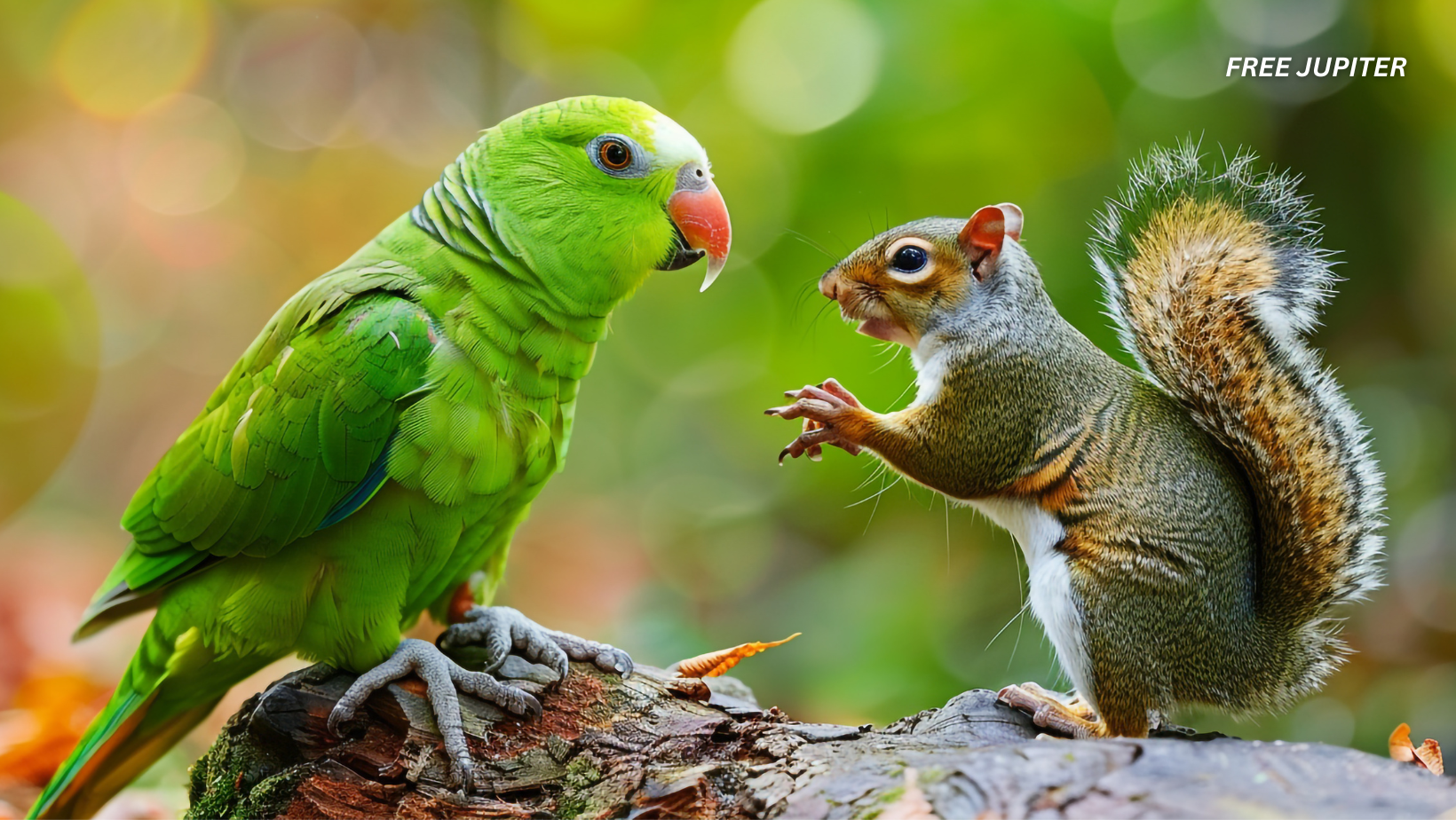
In a major step forward for animal welfare, the United Kingdom has officially recognized animals as sentient beings under the law. This means animals are now legally acknowledged as living creatures that can feel emotions such as pain, fear, happiness, and even affection. The decision represents an important moment in the way governments think about animals and how policies should protect them.
The change became official on May 25, 2023, when the Animal Welfare Sentience Act fully took effect. On the same day, the government confirmed the appointment of the first Animal Sentience Committee, a group responsible for examining how government decisions may affect animals. Together, these actions signaled a new chapter in British law where the well being of animals must be considered when policies are created.
For many scientists and animal welfare advocates, the move reflects something that research has suggested for decades. Animals are not simply biological machines that react automatically to the world around them. Many species possess complex nervous systems and emotional responses that allow them to experience the world in ways that resemble human feelings. Recognizing this reality in law has long been a goal for researchers, campaigners, and organizations dedicated to improving the treatment of animals.
What Animal Sentience Means
The concept of animal sentience refers to the ability of a living creature to experience feelings and sensations. These experiences may include physical sensations such as pain and comfort, along with emotional states like fear, curiosity, stress, and pleasure.
Scientific research has increasingly demonstrated that many animals show behaviors that strongly suggest emotional awareness. Mammals such as dogs, elephants, and primates display signs of empathy and attachment. Birds have shown surprising levels of intelligence and social complexity. Even some fish and invertebrates respond to pain in ways that indicate a conscious experience rather than simple reflexes.
Related article: France Officially Bans the Use of Wild Animals in Circuses
The recognition of sentience does not mean animals think exactly like humans. However, it acknowledges that their experiences matter. When animals are capable of suffering or feeling distress, their treatment becomes an ethical question rather than merely a practical one.
By placing sentience into law, the United Kingdom has effectively stated that the inner experiences of animals deserve consideration whenever government policies may affect them.
The Role of the Animal Sentience Committee
A central feature of the new law is the creation of the Animal Sentience Committee. This independent body is tasked with reviewing how government policies may influence the welfare of animals.
The committee examines proposed laws, regulations, and government programs that could have an impact on animals. This may include policies related to agriculture, transportation, wildlife management, research practices, and environmental planning. If the committee believes a policy has not adequately considered the welfare of animals, it can publish a report highlighting those concerns.
Government departments must respond to these reports and explain how they plan to address the issues raised. While the committee does not directly create laws, its oversight role encourages policymakers to take animal welfare seriously throughout the decision making process.
This structure introduces a new layer of accountability. Rather than treating animal welfare as an afterthought, policymakers are expected to consider it from the earliest stages of developing legislation.
A Long Campaign Decades in the Making
The recognition of animal sentience did not appear suddenly. The change reflects more than three decades of advocacy from scientists, activists, and concerned citizens.
Efforts to include sentience in law began gaining momentum in the late twentieth century. In 1988, early campaigns started calling for legal systems to acknowledge the growing body of scientific evidence about animal emotions and cognition.
Over the years, thousands of supporters joined the movement. Animal welfare organizations conducted research, raised public awareness, and encouraged lawmakers to adopt stronger protections for animals. Petitions, public campaigns, and scientific reports gradually built a powerful case for change.
Supporters argued that modern law should reflect modern science. If research demonstrates that animals experience pain and emotional states, then legal frameworks should recognize those realities.
After many years of debate and discussion, that goal has finally become a legal reality in the United Kingdom.
Related article: Humpback Whales Keep Saving Animals From Orcas—And No One Knows Why
Why Science Supports the Idea of Animal Emotions
Advances in neuroscience and animal behavior studies have played a significant role in shaping this shift in policy. Scientists have spent decades examining how animals perceive and respond to the world around them.
Brain imaging studies have revealed that many animals possess neurological structures similar to those found in humans. These structures are associated with emotional responses and the processing of pain and pleasure.
Behavioral studies have provided additional clues. Animals often demonstrate learning, problem solving, social bonding, and signs of stress or comfort depending on their environment. For example, elephants have been observed displaying behaviors that resemble mourning when a member of their group dies. Dolphins communicate with complex vocal patterns that appear to function as social language. Dogs form deep emotional attachments to humans and other animals.
Even species once thought to be relatively simple have surprised researchers. Certain birds can solve puzzles and use tools. Octopuses have shown curiosity and memory skills that rival some mammals.
Together, these discoveries have reshaped the scientific understanding of animal minds. Many researchers now agree that animals are capable of rich inner experiences, though those experiences may differ from human emotions in important ways.
What the Law Means for Government Policy
The Animal Welfare Sentience Act changes how government departments must approach decision making. Policies that affect animals must now consider how those animals might experience the outcomes.
This applies to a wide range of areas. Agricultural policies that influence farming practices may need to evaluate how livestock are treated. Wildlife conservation programs may consider the emotional and physical welfare of animals in their natural habitats. Transportation regulations involving animals may be reviewed for their impact on stress and safety.
By introducing these requirements, the law encourages a broader perspective when governments develop regulations. The goal is not simply to regulate human activities, but to recognize that those activities can influence the lives of sentient beings.
A Shift in Ethical Thinking
Beyond the practical details of policymaking, the recognition of animal sentience also represents a philosophical shift. For much of human history, animals were often viewed primarily as resources for food, labor, or materials.
Over time, this perspective has evolved. Scientific research has revealed that animals possess remarkable intelligence, emotional depth, and social complexity. As a result, public attitudes toward animals have gradually changed.
Many people today see animals as living creatures with their own experiences rather than objects that exist solely for human use. The new law reflects this growing awareness.
Acknowledging animal sentience encourages societies to ask deeper ethical questions about how animals should be treated. If animals can suffer, then reducing unnecessary suffering becomes an important moral goal.
A Global Conversation About Animal Welfare
The United Kingdom is not the first country to recognize animal sentience in law. Several nations and international organizations have already taken similar steps. The European Union has recognized animals as sentient beings in its treaties for many years.
However, each new legal recognition adds momentum to the global conversation about animal welfare. When a country introduces stronger protections, it often encourages others to examine their own policies.
Animal welfare standards continue to evolve around the world. Research, public opinion, and ethical discussions are gradually shaping new approaches to how animals are treated in farming, research, entertainment, and conservation.
Related article: Wildlife Experts Warn: Never Release These 17 Animals Into the Wild
Looking Toward the Future
The full impact of the Animal Welfare Sentience Act will become clearer over time. The work of the Animal Sentience Committee is expected to play an important role in shaping how the law influences government decisions.
Advocates hope that the legislation will lead to stronger protections for animals and more thoughtful policymaking. Critics, meanwhile, will likely watch closely to see how the law affects industries such as agriculture and fisheries.
What remains clear is that the recognition of animal sentience represents a significant moment in modern legal history. It reflects decades of scientific research, public advocacy, and ethical reflection.
By acknowledging that animals can experience pain, fear, and even forms of joy or affection, the United Kingdom has taken a step toward a legal framework that reflects the emotional lives of the creatures that share the planet with us.
Featured image: Freepik.
Friendly Note: FreeJupiter.com shares general information for curious minds. Please fact-check all claims and double-check health info with a qualified professional. 🌱