
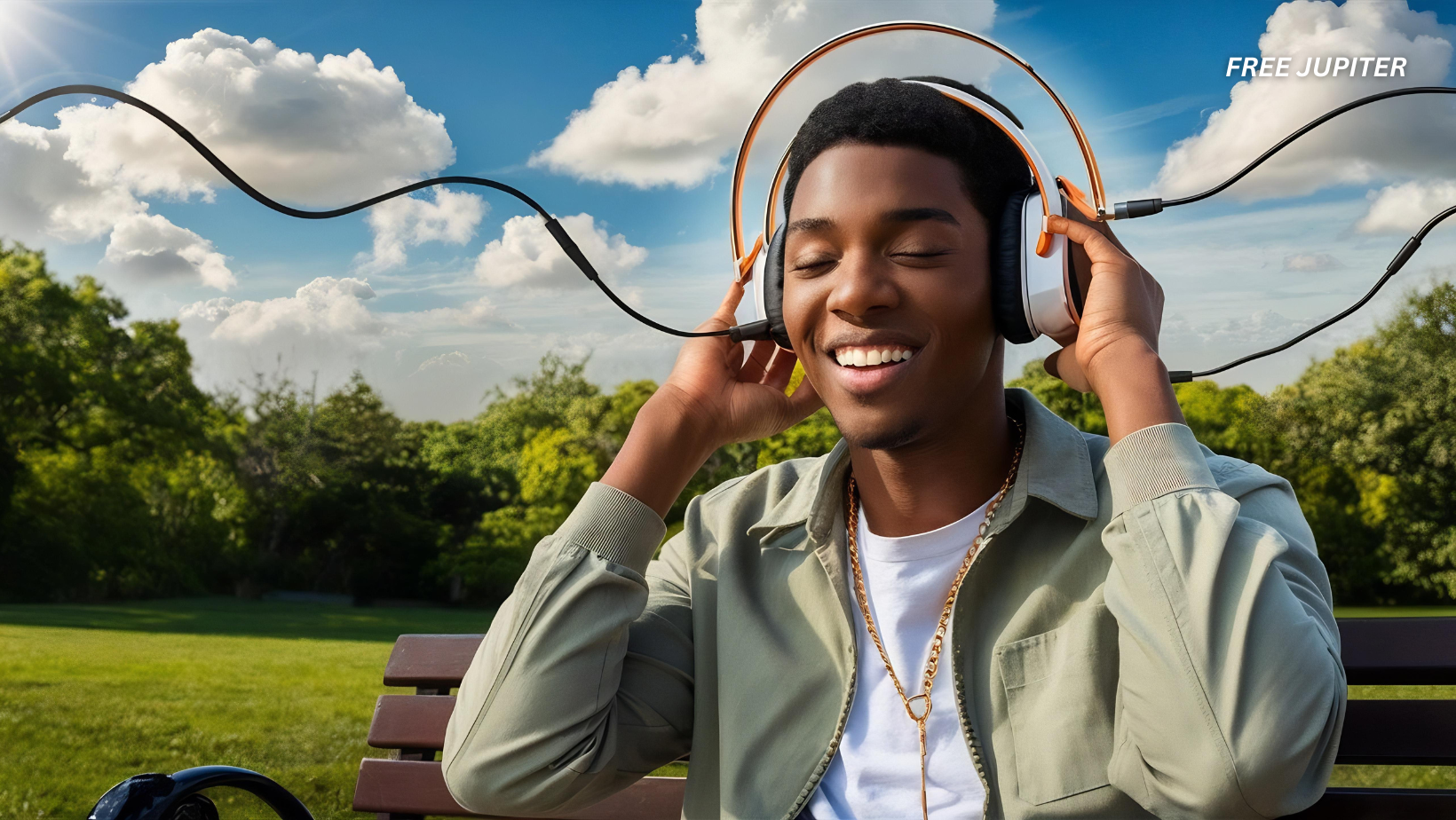
Have you ever noticed how a single song from your teenage years can bring back an entire memory in seconds? One moment you are listening to a melody, and the next you feel as if you have traveled back in time. Suddenly you remember a classroom, a late night conversation with friends, a first crush, or a moment of heartbreak that felt enormous at the time.
This experience is not just nostalgia. Scientists who study the brain have discovered that the music people listen to between the ages of 13 and 17 often becomes deeply connected to their emotions and memories for the rest of their lives. During these years, the brain is developing rapidly and absorbing experiences with remarkable intensity. Because of this, the songs discovered during adolescence often become the emotional soundtrack that follows a person into adulthood.
The Teenage Brain Is Especially Receptive
The teenage years represent one of the most active periods of brain development. Between the early teens and the late teenage years, the brain is constantly reorganizing itself. New connections between brain cells are forming, while older pathways are being refined and strengthened.
This period of change makes the brain especially receptive to emotional experiences. Teenagers often feel things more intensely than they will later in life. Joy, excitement, heartbreak, and curiosity can all seem amplified. Music naturally becomes a powerful companion during this stage because it reflects those emotions and gives them a language.
When teenagers listen to music, they are not only hearing sound. They are linking that sound to their developing sense of identity. Songs can feel like reflections of who they are becoming. Lyrics can seem personal even when written by someone they have never met.
Related article: People Who Listen To Music Daily May Have a Much Lower Risk of Dementia, Study Finds
A Perfect Moment for Emotional Imprinting
Researchers sometimes describe adolescence as a unique intersection between biology and personal experience. The brain is flexible, emotions are intense, and life is filled with many first time events.
Many people experience their first major friendships, their first romantic feelings, and their first moments of independence during these years. Music often accompanies these milestones. A particular song may play during a first dance, a late night conversation, or a long drive with friends.
When these events occur, the brain stores not only the memory of the moment but also the sensory details that surrounded it. Sound is one of the strongest of those details. As a result, a song can become permanently connected to the emotions that were felt at that time.
Later in life, hearing the same music can bring those feelings rushing back with surprising clarity.
The Science Behind the Memory Effect
Psychologists have identified a pattern known as the reminiscence bump. This term describes the tendency for people to recall more memories from their teenage years and early adulthood than from other stages of life.
Music appears to play a significant role in this effect. Studies examining listening habits from millions of people suggest that musical preferences often form during early adolescence and remain surprisingly stable later in life.
Research indicates that this influence tends to peak around age 13 for many girls and around age 14 for many boys. During these years, the brain forms strong connections between emotional experiences and sensory input such as sound.
Once those links are established, they can last for decades.
How Music Connects Memory and Emotion
Two important regions of the brain help explain why music is so powerful during adolescence.
The hippocampus plays a key role in forming and storing memories. It helps organize events and experiences so they can be recalled later.
The amygdala is closely tied to emotional processing. It helps determine how strongly a memory is felt and how deeply it affects a person.
When music is heard during a meaningful moment, these two regions work together. The hippocampus records the event, while the amygdala attaches emotional significance to it. Over time, the song becomes a kind of emotional key that unlocks the memory whenever it is heard again.
This is why a simple melody can trigger vivid recollections many years later.
Why Early Teen Music Leaves the Strongest Mark
Interestingly, music discovered in the early teenage years appears to have a stronger influence than music discovered later in life.
Research suggests that songs heard in the early twenties are only about half as influential in shaping long term musical taste compared with the music discovered during the early teen years.
One reason may be that adolescence represents a period when personal identity is still forming. Young people are exploring who they are, what they believe, and how they relate to the world. Music often becomes a tool for expressing these emerging identities.
A favorite song may feel like a personal statement. It may represent belonging to a certain group, expressing a particular emotion, or simply capturing a moment that feels important.
Related article: Research Shows That Music Significantly Boosts Infant Brain Development
The Emotional Time Machine Effect
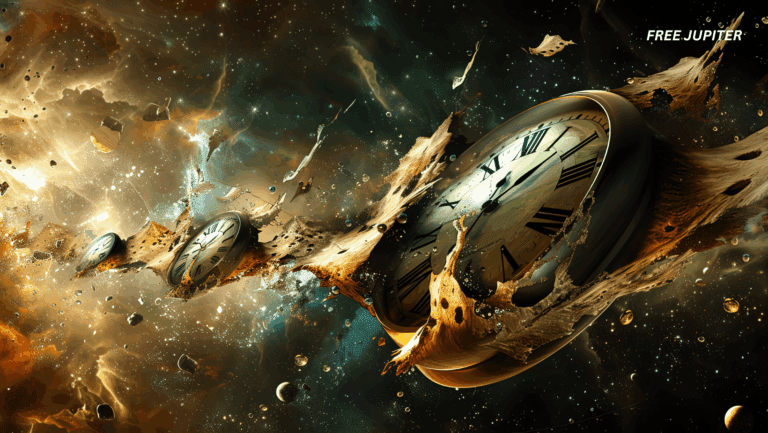
Many adults describe the experience of hearing a teenage favorite song as similar to stepping into a time machine. The brain does not only remember the music itself. It reconstructs the emotional landscape that existed when the song was first heard.
Memories of friendships, relationships, school life, and personal discoveries can reappear with surprising detail. Even the atmosphere of a particular season or place may return in the mind.
This phenomenon shows how strongly sound can connect to memory. While photographs capture visual moments, music captures emotional ones.
The brain stores those emotional connections in ways that remain remarkably resilient across time.
When Music Helps Recover Lost Memories
The relationship between music and memory has also captured the attention of doctors and therapists. In recent years, music has been used in therapeutic settings to help people reconnect with memories that seem difficult to access.
For individuals experiencing memory disorders such as dementia, familiar songs from adolescence or early adulthood can sometimes spark recognition and emotional responses that other forms of stimulation cannot achieve.
Patients who struggle to recall recent events may suddenly sing along with lyrics from songs they heard decades earlier. The music appears to activate brain networks that remain intact even when other memory systems begin to weaken.
This discovery highlights how deeply early musical experiences become woven into the structure of memory.
Music as a Personal Archive of Emotion
In many ways, the songs people loved during their teenage years become a kind of personal archive. Each track holds fragments of experiences, relationships, and emotional growth.
When someone hears a familiar melody from that time, it can feel as though an entire chapter of life has reopened. The brain retrieves not only the music but also the meaning attached to it.
This explains why certain songs can produce strong emotional reactions even after many years have passed. A tune that once accompanied a moment of happiness may still bring comfort. A song linked to heartbreak may still carry a hint of the feelings that once surrounded it.
Music preserves those emotional echoes in a unique way.
Related article: Study Finds People With ADHD Listen to Music Differently—Here’s How
The Soundtrack That Stays With Us
The idea that our brains become especially receptive to music during adolescence helps explain a universal human experience. Almost everyone can recall a song from their teenage years that feels deeply personal.
These songs often accompany memories of growth, discovery, friendship, and change. They remind people of who they were and how they felt during a time when life seemed full of firsts.
Science now supports what many people have sensed all along. The music we embrace during our early teens does more than entertain us. It becomes woven into the emotional architecture of the brain.
Long after the years of adolescence have passed, those melodies continue to resonate. They remain as reminders of a time when the brain absorbed the world with remarkable openness.
In that sense, the soundtrack of our youth never truly fades. It travels with us through every stage of life, ready to bring the past back to life whenever the music begins again.
Featured image: Freepik.
Friendly Note: FreeJupiter.com shares general information for curious minds. Please fact-check all claims and double-check health info with a qualified professional. 🌱