
Sleep is usually thought of as something only creatures with complex brains need. Humans need it to think clearly, animals need it to function properly, and pets certainly demand it. But what if sleep existed long before brains ever did?
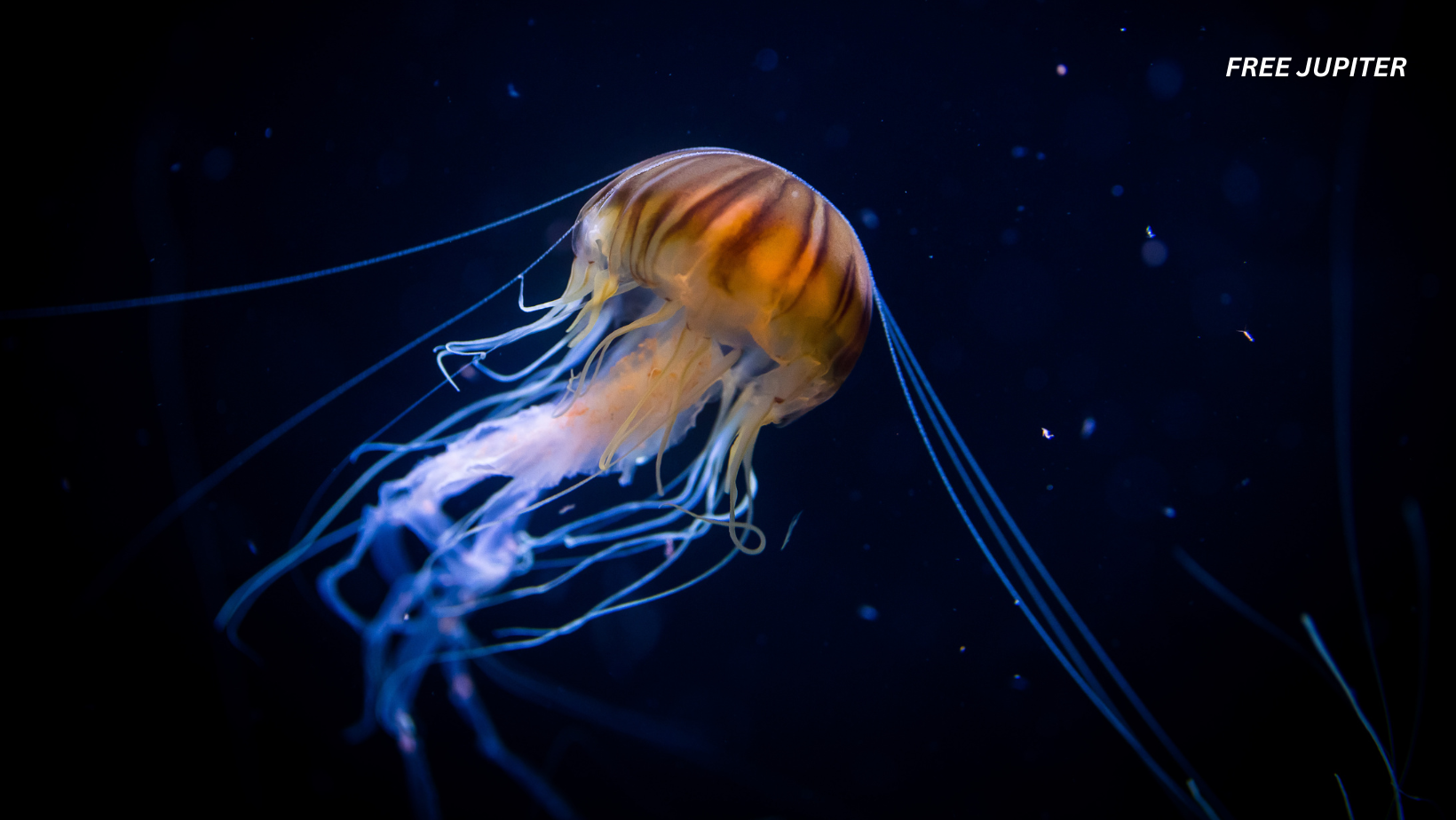
Scientists studying jellyfish and sea anemones have discovered something surprising. These soft floating sea creatures, which do not have brains at all, appear to rest in a way that closely resembles sleep. This finding challenges long held beliefs about why sleep exists and suggests that sleep may be far more ancient and essential than once believed.
Even without a brain, these animals still seem to know when it is time to slow down.
How Can a Brainless Animal Sleep?
Jellyfish do not have a brain, a spinal cord, or anything resembling a nervous system like ours. Instead, they have a loose network of nerves spread throughout their bodies. Because of this, scientists once assumed jellyfish could not experience anything like sleep.
But when researchers in Israel closely observed jellyfish behavior over long periods, a pattern began to emerge. The jellyfish became less active during certain times, especially at night. Their movements slowed, and they responded more slowly to stimuli like gentle water currents or light changes.
When disturbed during these quiet periods, the jellyfish did wake up and become active again. Even more interesting, after being kept active for too long, they showed signs of needing extra rest later. This rebound effect is a key feature of sleep in humans and animals.
In other words, the jellyfish were not just floating aimlessly. They were resting in a structured and repeatable way.
Related article: AI Is Learning to Decode Animal Speech — Could Humans Eventually Talk With Them?
What Makes This Sleep Like Behavior?
Scientists usually define sleep using three main features. First, activity levels drop. Second, the animal becomes less responsive to the world around it. Third, if sleep is disrupted, the animal later tries to make up for lost rest.
Jellyfish met all three criteria.
During their rest periods, their pulsing slowed down significantly. They reacted more slowly when touched or exposed to changes in their environment. And when researchers prevented them from resting, the jellyfish later showed longer or deeper rest periods.
This combination strongly suggests that what jellyfish experience is not random inactivity. It is a genuine sleep like state.
Why Would Sleep Exist Without a Brain?
The discovery raises an intriguing question. If jellyfish do not think, remember, or dream, why would they need sleep at all?
The answer may lie in the body rather than the mind.
Scientists increasingly believe that sleep may have originally evolved to protect cells from the stress of constant activity. Being awake places strain on cells. Chemical reactions build up, energy gets depleted, and waste products accumulate. Rest periods may allow cells to reset, repair themselves, and restore balance.
This theory suggests that sleep is not just about thinking or memory. It may be a basic biological process that keeps living tissue healthy.
If that is true, then sleep could have existed long before brains evolved, serving as a form of maintenance for the body itself.
A Window Into Ancient Life
Jellyfish are among the oldest animals on Earth. Their ancestors existed hundreds of millions of years before humans, mammals, or even dinosaurs. Studying their behavior offers scientists a rare glimpse into how early life may have functioned.
The fact that such ancient creatures show sleep like behavior suggests that rest has been a fundamental part of life almost from the beginning. It may have helped early organisms survive in harsh environments by conserving energy and preventing damage from constant activity.
This discovery reshapes the timeline of sleep evolution. Rather than being a feature that appeared alongside complex brains, sleep may have been present from the earliest stages of animal life.
Related article: Humpback Whales Keep Saving Animals From Orcas—And No One Knows Why
What This Means for Understanding Human Sleep
At first glance, jellyfish sleeping may seem like a fun science trivia fact. But the implications go much deeper.
If sleep exists to protect cells and regulate basic biological processes, then modern sleep problems may affect more than just mental sharpness. Poor sleep could interfere with cellular repair, immune function, and overall physical health.
This perspective also helps explain why sleep deprivation affects nearly every system in the body. It is not just the brain that suffers. Muscles, organs, and even individual cells may struggle without adequate rest.
Understanding sleep as a deeply rooted biological need helps reinforce why consistent, quality sleep is essential for long term health.
A New Way to Think About Consciousness and Rest
One of the most fascinating aspects of this research is how it separates sleep from consciousness. Humans often associate sleep with dreams and thoughts, but jellyfish do not think in any recognizable way.
This suggests that sleep does not require awareness or imagination. It can exist purely as a physical process.
That idea opens new questions for scientists studying other simple organisms. If jellyfish sleep, what about other brainless or minimally complex life forms? Could plants or single celled organisms have rest cycles that serve similar protective purposes?
The boundaries of sleep may be much broader than previously imagined.
Why This Discovery Matters
Scientific breakthroughs do not always come from studying complex systems. Sometimes, the simplest creatures reveal the biggest truths.
By observing jellyfish, researchers have gained insight into one of the most mysterious behaviors in biology. Sleep, long considered a luxury of higher intelligence, now appears to be a basic survival tool embedded deep in the history of life.
This research reminds us that nature often solves problems in elegant and unexpected ways. Even without a brain, life finds a way to rest.
Related article: Wildlife Experts Warn: Never Release These 17 Animals Into the Wild
The Takeaway
Jellyfish may drift silently through the ocean, but they are teaching us something profound. Sleep is not just for thinkers, dreamers, or problem solvers. It is a foundational process that keeps life functioning at its most basic level.
The next time you feel guilty about needing rest, remember this. Even creatures without brains take time to slow down. Sleep is not a weakness. It is a biological necessity that has been with life from the very beginning.
Sometimes, the oldest creatures have the newest lessons to teach.
Featured image: Freepik.
Friendly Note: FreeJupiter.com shares general information for curious minds. Please fact-check all claims and double-check health info with a qualified professional. 🌱