
Waking up with a dry mouth can feel a bit dramatic—like your tongue spent the night trekking through a desert without bringing a water bottle. While it might seem like a small annoyance, nighttime dryness is often your body’s subtle way of saying, “Something needs your attention.”
Dry mouth—called xerostomia by medical professionals—happens when your salivary glands aren’t making enough saliva. Saliva may seem unimportant until it disappears, but it plays a huge role in your health. It washes away food particles, helps protect your teeth from decay, keeps your gums healthy, neutralizes acids in your mouth, and makes it possible to chew, swallow, taste, and speak comfortably.
When the flow slows down at night, your mouth loses one of its best defenses. That’s why understanding the causes can help you figure out what’s really going on.
Below are 10 detailed, expanded reasons your mouth may be drying out while you sleep.
1. Heavy or salty nighttime meals overstimulate digestion
The foods you choose in the hours before bedtime matter much more than most people realize. Large, fatty, spicy, or salty meals take a longer time to digest—and digestion pulls water from different parts of your body to help break down food.
When your digestive system goes into “night shift mode,” it may borrow fluids that would otherwise keep your mouth moist. This can leave you waking up with a tongue that feels like it’s been sitting under a heat lamp.
Common culprits include:
- greasy takeout
- late-night chips or salty snacks
- spicy dishes
- high-protein meals eaten too close to bedtime
Even if you don’t feel thirsty during dinner, your mouth might pay the price hours later.
Read more: Tardigrade Proteins Might Help Protect Humans From Radiation, Researchers Say
2. Medications can secretly sabotage saliva flow
A massive number of medications—literally hundreds—come with dry mouth as a side effect. Many work by either slowing nerve signals to your glands or altering fluid balance in your body.
- allergy medications
- antidepressants and anti-anxiety meds
- blood pressure medications
- decongestants
- certain pain relievers
- sleep aids
- medications for nausea or vertigo
Even medications considered “mild” or “non-drowsy” may quietly reduce saliva flow. If you started a new prescription and noticed dryness afterward, your medication could be behind the mystery.
3. Dehydration sneaks up before you even fall asleep
Not drinking enough water throughout the day catches up fast—especially once you’re asleep and can’t replenish what you lose. Your body continues to use moisture all night as you breathe and regulate temperature.
Signs you may be going to bed dehydrated:
- dark or highly concentrated urine
- chapped lips
- mild headaches
- fatigue in the evening
- feeling thirsty as you get ready for bed
Chugging water right before sleep only leads to midnight bathroom trips. Instead, consistent hydration from morning to evening helps your body stay balanced.
4. Natural aging affects the mouth more than expected
As people age, saliva production gradually slows down. Even if lifestyle habits remain the same, your mouth’s moisture levels may change simply because the glands aren’t as efficient as they once were.
Other age-related factors make dryness more common:
- increased medication use
- health conditions such as hypertension or diabetes
- reduced nerve sensitivity in the mouth
- changes in hormones or metabolism
Because saliva protects your teeth and gums, older adults with persistent dryness may experience cavities, gum irritation, or trouble wearing dentures.
5. Certain medical conditions reduce saliva production
Dry mouth can be an early warning sign of several health conditions—some mild, some more serious.
Examples include:
- diabetes (high blood sugar pulls moisture from tissues)
- autoimmune disorders
- Sjögren’s syndrome (a major cause of severe dry mouth)
- stroke or nerve damage
- Alzheimer’s disease
- certain infections
People with chronic illnesses are also more likely to take multiple medications, which adds another layer to the dryness cycle. If you experience dry mouth consistently with no clear cause, a medical check-up is wise.
Read more: 12 Signs Someone Isn’t Drinking Enough Water, Backed by Research
6. Overactive thyroid and high metabolism increase water loss
When the thyroid gland becomes overactive (hyperthyroidism), the body essentially speeds up. Your heart beats faster, your nerves fire more quickly, and your metabolism burns energy at a higher rate.
This “revved-up” system has side effects:
- increased sweating
- frequent urination
- extreme thirst that doesn’t seem to go away
- nervous energy
- heat sensitivity
Because you lose water faster, your mouth struggles to stay hydrated—especially overnight.
7. Mouth breathing dries the mouth like a tiny air fan
If you sleep with your mouth open, your saliva doesn’t stand a chance. Air flows directly across your tongue and gums, evaporating moisture rapidly—almost like sleeping with a fan pointed inside your mouth.
Common reasons for nighttime mouth breathing include:
- allergies
- nasal congestion
- sinus infections
- deviated septum
- chronic snoring
- sleep apnea
Over time, this can lead not only to dryness but also to sore throats, bad breath, or cracked lips. Fixing nasal blockages or improving air quality in your room can help tremendously.
8. Alcohol, smoking, and recreational drugs all reduce moisture
Anything that dehydrates your body—or interferes with how your salivary glands function—can trigger nighttime dry mouth.
Here’s how:
- Alcohol pulls water out of the body, even hours after you drink.
- Cigarettes and tobacco decrease saliva flow and irritate the mouth.
- Cannabis commonly causes “cottonmouth,” even for occasional users.
- Stronger substances can severely damage teeth and salivary glands over time.
Even social habits—like having a couple of drinks or smoking before bed—can leave your mouth feeling rough the next morning.
9. Snoring and sleep apnea worsen nighttime dryness
Snoring isn’t just noisy—it changes how air moves through your mouth and throat. That airflow dries out oral tissues surprisingly quickly.
With sleep apnea, the effect is even stronger because the mouth often snaps open repeatedly as the body tries to breathe. This pattern can create intense morning dryness and even sore throat.
If you wake up gasping, choking, exhausted, or dry-mouthed, sleep apnea could be involved.
10. Stress and anxiety reduce saliva without you noticing
Stress has a funny way of affecting parts of your body you don’t normally think about. When you’re anxious, your body activates its stress response, which reduces saliva production. It’s the same “dry mouth” feeling you might get before public speaking—only happening quietly at night.
Stress-related habits can also contribute:
- jaw clenching
- nighttime teeth grinding
- shallow breathing
- restless sleeping
Even emotional tension can leave your mouth feeling unusually dry by sunrise.
Read more: Feeling Constantly Attacked by Your Inner Critic? Ask These 6 Questions To Calm It Down
When dry mouth becomes more than an annoyance
Occasional dryness is normal. But if it’s happening every night—or even most nights—it’s not something to ignore. Chronic dry mouth can lead to:
- cavities
- gum problems
- trouble swallowing
- bad breath
- changes in taste
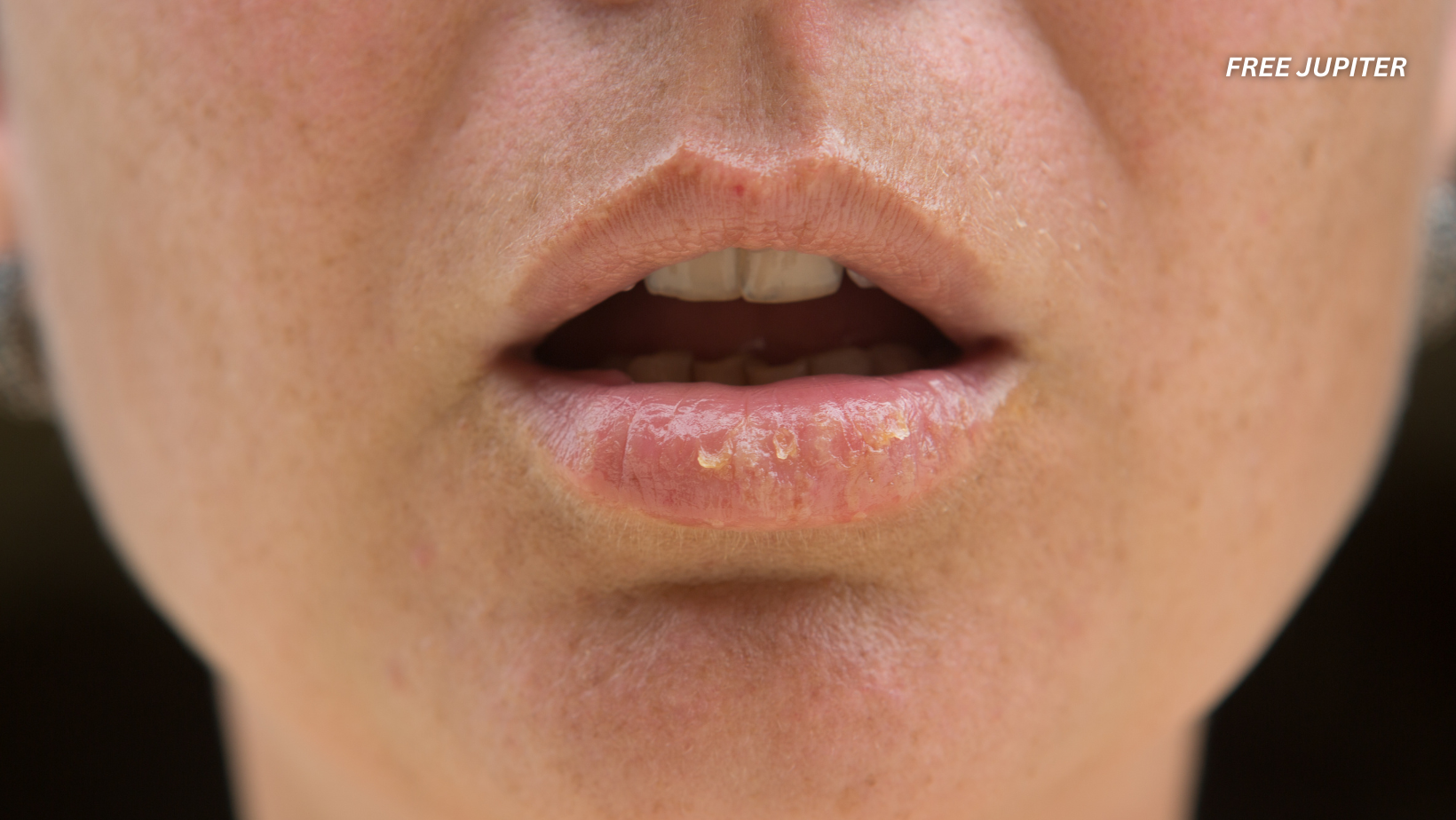
- cracked lips or sore tongue
Your mouth is trying to communicate something. Listening early can save you from bigger problems later.
Featured image: Freepik.
Friendly Note: FreeJupiter.com shares general information for curious minds. Please fact-check all claims and double-check health info with a qualified professional. 🌱