

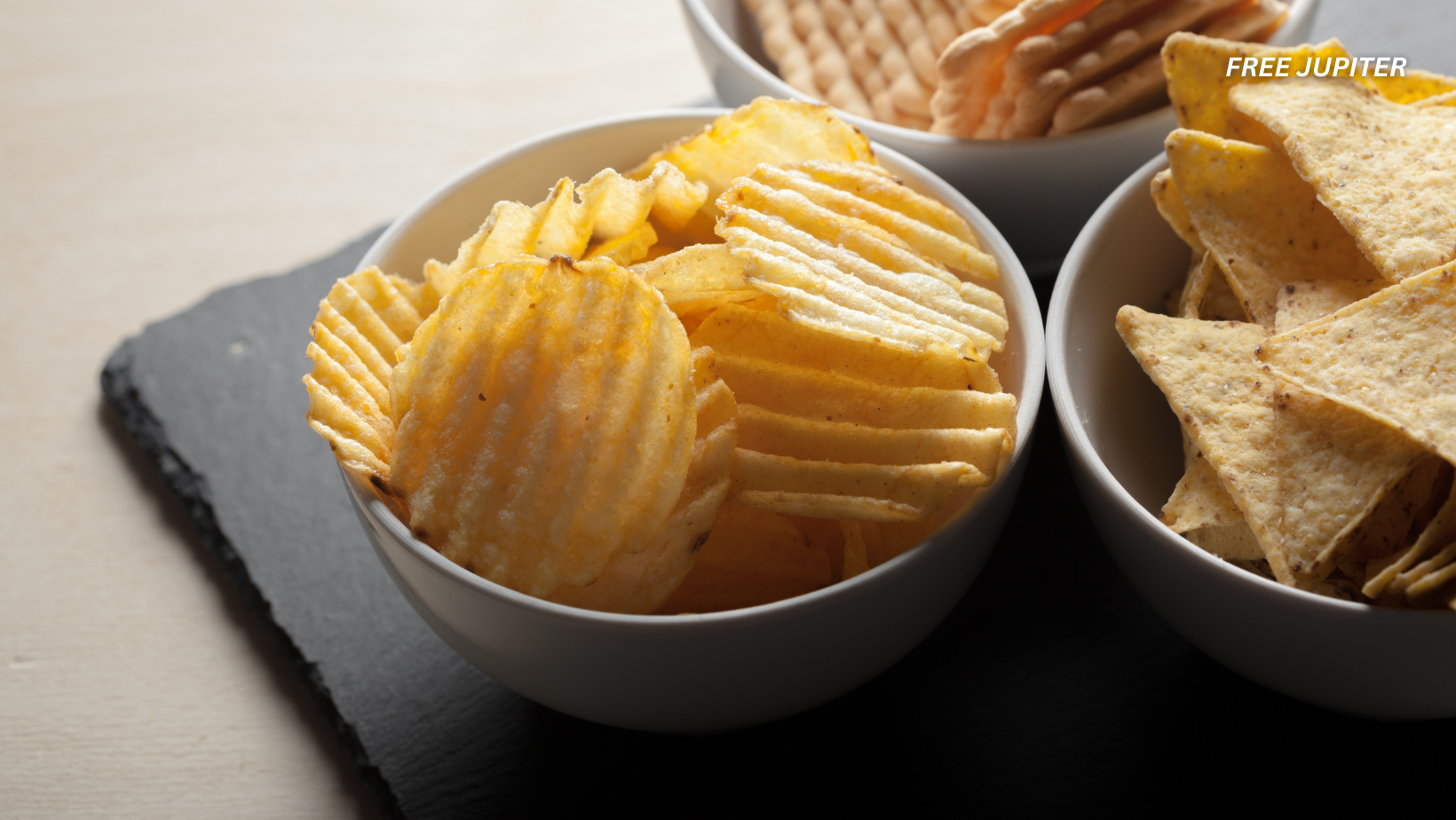
When afternoon hunger hits, most of us instinctively reach for something fast, familiar, and satisfying—a crackly bag of chips, a sweet bar tucked in a drawer, or a pastry picked up on the way to work. These snacks often feel harmless, even comforting, especially when eaten during a busy day. But researchers have been studying how the brain responds to certain foods, and the findings suggest that some popular snack choices may be nudging your memory in the wrong direction.
The concern isn’t about one bag of chips or a single sugary treat. Instead, scientists are looking at what happens when these foods become part of someone’s daily routine. Over time, highly processed ingredients can stir up inflammation, disrupt blood sugar regulation, and create the kind of environment that makes the hippocampus—the brain’s memory center—more vulnerable to shrinking and aging faster than it should.
With that in mind, here are the three types of snacks experts recommend limiting if you want to support long-term cognitive health.
1. Ultra-Processed Chips
Chips—whether they’re potato-based, corn-based, or puffed into unusually airy shapes—are built for pleasure. They’re crunchy, salty, and engineered to be difficult to put down. But behind that addictive texture is a combination of ingredients that can quietly stress the brain.
Most chips are made from refined starches or processed grains that break down into sugar quickly once eaten. This causes the body to release a surge of glucose, which can create a cycle of rapid highs and lows in energy. While this might not feel dramatic in the moment, repeated spikes can challenge the systems that keep blood sugar stable, and unstable blood sugar is closely linked to weaker cognitive performance over time.
Then there are the oils. Many packaged chips are fried in oils extracted from seeds under high heat—oils that can oxidize easily and contribute to inflammation in the brain and body. Neuroscientists note that chronic inflammation can increase oxidative stress, a process that damages cells and accelerates aging in sensitive regions like the hippocampus.
As an added layer, flavored chips often come with artificial seasonings, preservatives, and stabilizers. While each additive may be approved for consumption, the accumulated effect of these ingredients—especially when eaten regularly—can burden the body’s metabolic systems and strain the brain’s natural defenses against inflammation.
2. Sugary “Healthy” Bars
Granola bars, energy bars, and snack bars often appear wholesome at first glance. They’re marketed with images of grains, nuts, or fruit, giving the impression of a nutritious boost. But a closer look at the nutrition label often reveals a surprisingly high sugar content, sometimes rivaling what you’d find in a candy bar.
When sugar floods the bloodstream too quickly, the brain must compensate. That sudden glucose surge can activate pathways that interfere with memory formation and learning. Over time, frequent sugar overloads are associated with changes in brain structure, including reduced hippocampal volume—essentially meaning the memory center can shrink faster than expected.
Another concern is that sugary bars often replace nutrient-dense foods. Eating something sweet may satisfy a craving temporarily, but it doesn’t offer the healthy fats, fiber, or proteins the brain uses for long-lasting fuel. Without those nutrients, the brain may struggle with focus, consistency, and mental clarity throughout the day.
Some bars also contain sugar alcohols or artificial sweeteners. While they may reduce calorie counts, these ingredients can confuse the way the body responds to sweetness, potentially affecting appetite regulation and metabolic balance—two factors indirectly connected to brain health.
3. Packaged Pastries and Breakfast Cakes
Convenience pastries have a way of promising comfort first thing in the morning or during a late-night snack run. Mini muffins, toaster pastries, frosted rolls, and other sweet treats may feel nostalgic, but they’re often loaded with ingredients that challenge the brain.
These foods tend to rely heavily on refined flour, which the body digests quickly, causing rapid changes in blood sugar similar to those triggered by sugary bars. They commonly contain trans fats, which have long been associated with inflammation, arterial plaque buildup, and slower brain processing.
Artificial flavors and colorings are also common, and while each ingredient on its own may seem minor, researchers have found that highly processed, sugar-heavy snacks can promote a state of chronic, low-grade inflammation. This type of inflammation doesn’t cause immediate symptoms, but it gradually affects neuroplasticity—the brain’s ability to form new connections, adapt, and retain information.
Over many months or years, this kind of sustained inflammation may contribute to slower cognitive speed, difficulty concentrating, and challenges with memory recall.
Read more: Scientists Have Discovered Hidden Brain Patterns That May Predict Your Intelligence
Supporting Better Brain Health With Better Snacks
Rebuilding your snack habits doesn’t have to feel restrictive or dull. In fact, many foods that support brain health are surprisingly enjoyable, naturally flavorful, and easy to keep on hand. These options work by offering steady energy, reducing inflammation, and protecting the brain from the everyday wear and tear that tends to build up over time. Here’s a closer look at why these simple snacks can make such a big difference.
Fresh Berries
Berries—whether blueberries, strawberries, blackberries, or raspberries—are some of the most brain-supportive fruits available. They’re packed with antioxidants, which act like microscopic shields that help protect brain cells from oxidative stress. Oxidative stress is a natural process, but it accelerates when we eat a lot of ultra-processed foods or deal with chronic stress. Over time, it can weaken the cells involved in memory and learning.
Berries also contain natural compounds called flavonoids, which have been linked to improved memory function and better communication between brain cells. On top of that, their natural sweetness makes them an easy replacement for sugary snacks—and they come with fiber that prevents blood sugar from spiking. Whether eaten alone, added to yogurt, or blended into a smoothie, berries offer a satisfying and nourishing upgrade.
Unsalted Nuts
Nuts—especially almonds, walnuts, cashews, and pistachios—are well-known for their healthy fat content, particularly omega-3 fatty acids and monounsaturated fats. These fats help support the structure of brain cells, keeping them flexible and efficient.
They’re also a great source of protein, which helps curb sudden hunger and keeps energy levels steady. Nuts contain vitamin E, an antioxidant that has been linked to slower cognitive decline as people age. Even a small handful can deliver a long-lasting sense of fullness, making them a smart substitute for processed, salty snacks.
Choosing unsalted versions helps avoid extra sodium, which can contribute to inflammation and dehydration—two factors that tend to make the brain feel sluggish.
Greek Yogurt
Greek yogurt stands out because it’s rich in protein, offering a slow, steady form of fuel that keeps your energy stable between meals. But what makes it especially interesting for brain health is the presence of probiotics—“good bacteria” that support gut health.
The gut and brain communicate constantly through what researchers call the gut–brain axis. A healthier gut is linked to better mood regulation, sharper focus, and even improved learning ability. The creamy texture of Greek yogurt also makes it a satisfying base for toppings like berries, nuts, or seeds, turning it into a balanced, nutrient-rich snack.
Opting for plain Greek yogurt is ideal, since flavored varieties often come with added sugars that can cancel out some of its benefits.
High-Fiber Fruits (Like Apples and Pears)
Fruits like apples and pears don’t just taste refreshing—they also contain a generous amount of fiber, especially in the skin. This fiber slows the absorption of sugar in the bloodstream, preventing the quick highs and crashes that often follow sugary or refined snacks.
Stable blood sugar means more consistent energy levels and steadier concentration. These fruits also supply vitamins, minerals, and antioxidants that support brain health, as well as water content that keeps you hydrated—something many people overlook when their focus dips.
Their natural portability makes them an easy, no-prep option for busy days, whether you’re at work, on the road, or moving between tasks.
Read more: Dogs’ Brains Release the Same Chemical as Humans in Love When They See Their Owners
Hummus With Vegetables
Hummus—a blend of chickpeas, olive oil, tahini, lemon, and spices—is a nutrient-dense dip rich in plant-based protein, fiber, and healthy fats. This combination helps keep blood sugar balanced and provides the brain with a slow, steady release of energy.
Chickpeas are naturally high in folate, a B-vitamin that supports cognitive function, while olive oil contributes antioxidants and anti-inflammatory compounds that support brain aging. When paired with crunchy vegetables such as carrots, cucumbers, or bell peppers, you get even more fiber, hydration, and vitamins.
Vegetables also bring natural antioxidants that help protect the brain from inflammation, making this snack both refreshing and brain-friendly. It’s a perfect alternative to chips and dips that rely on processed oils and additives.
Choosing snacks that nourish the brain can gradually improve memory, focus, and overall cognitive health. While ultra-processed foods may be tempting, reducing them can help protect your hippocampus and support a sharper, more resilient mind well into the future.
Featured image: Freepik.
Friendly Note: FreeJupiter.com shares general information for curious minds. Please fact-check all claims and double-check health info with a qualified professional. 🌱