
Deep in the forests of New Zealand, a remarkable natural event is helping one of the world’s rarest birds make a hopeful comeback. A huge surge in rimu berries has created ideal conditions for breeding among the critically endangered kākāpō, a large, flightless parrot known for its bright green feathers and unusual lifestyle.
This unexpected abundance of fruit has given conservationists a reason to celebrate. With more food available than usual, many female kākāpō have begun nesting and laying eggs. The result is shaping up to be one of the most productive breeding seasons the species has experienced in years.
For a bird that exists in such small numbers, every successful breeding season matters. Scientists and wildlife teams now believe the growing number of chicks could bring the total kākāpō population close to an important milestone.
A Parrot Unlike Any Other
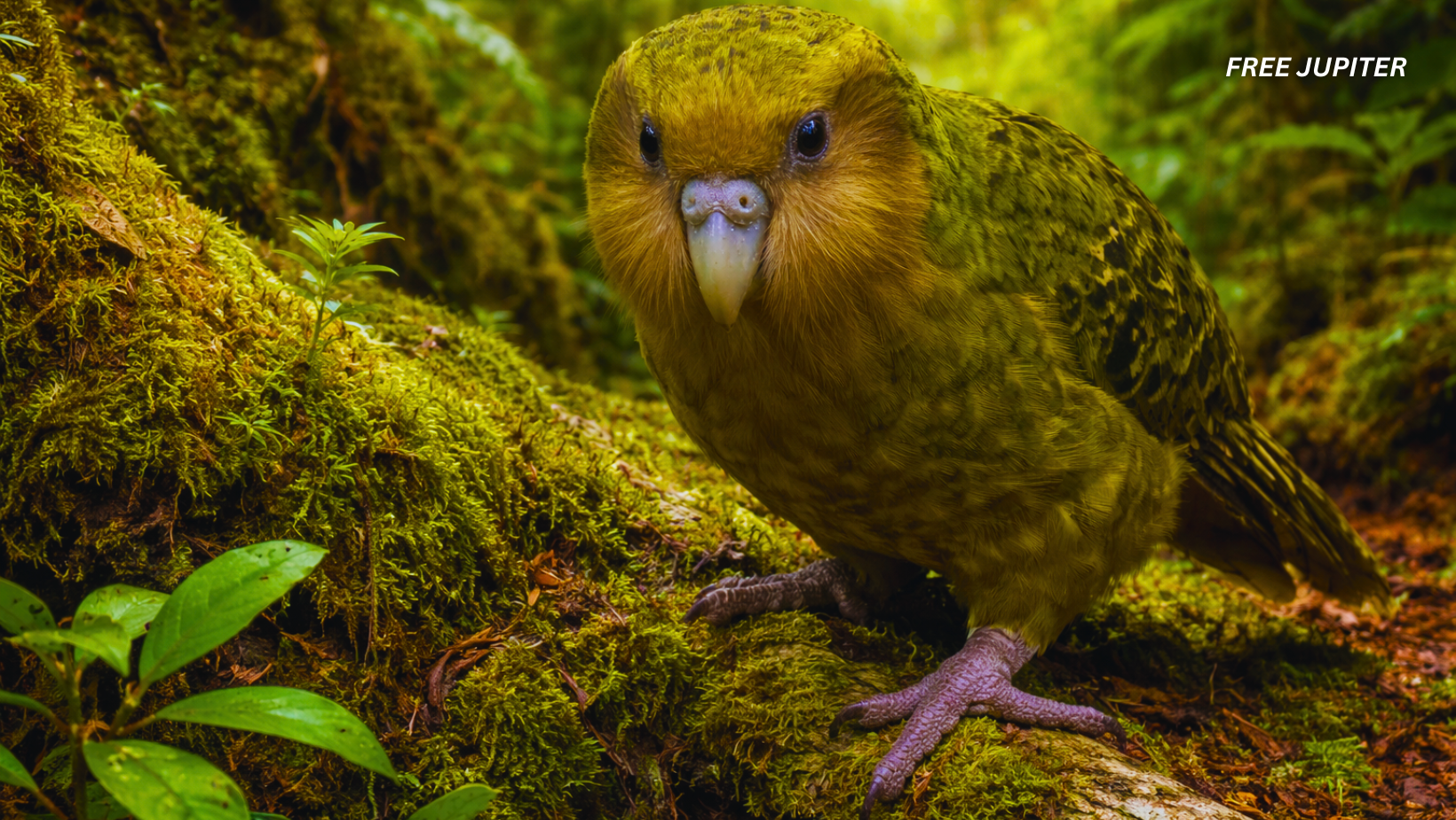
The kākāpō is not your typical parrot. Native to New Zealand, this bird is large, round, and covered in moss green feathers that help it blend into forest vegetation. Unlike most parrots, the kākāpō cannot fly. Instead, it climbs trees using strong legs and glides down to the forest floor when needed.
Another unusual feature is its schedule. The kākāpō is nocturnal, which means it becomes active after sunset. During the night it searches the forest floor for food and moves slowly through dense vegetation.
The species also has an impressively long life expectancy. Some individuals can live more than 90 years. Because of this slow life cycle, population recovery takes patience. Each generation grows gradually, which makes every breeding season extremely valuable.
Related article: UK Has Officially Declared That Animals Are Sentient Beings Who Can Feel Pain, Fear, and Love
Why Rimu Berries Matter So Much
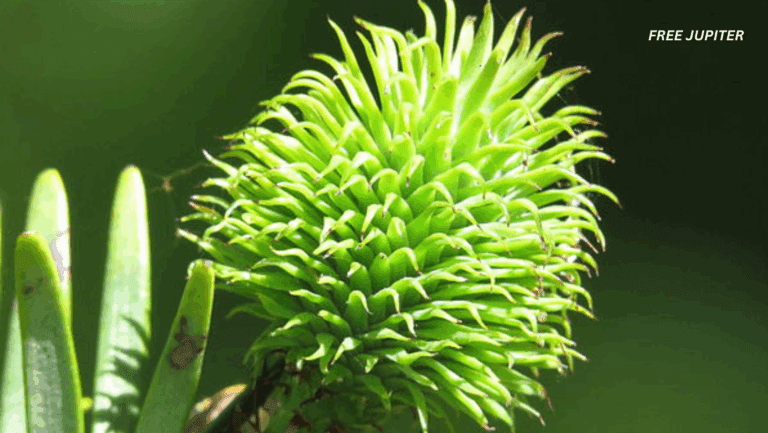
The recent baby boom is closely tied to a native tree called the rimu. These towering forest trees occasionally produce enormous crops of fruit in a natural event sometimes described as a “mast year.”
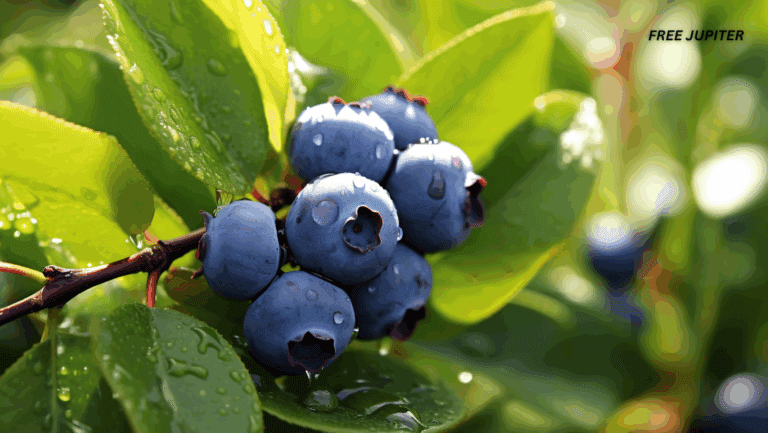
During these periods the forest floor becomes covered with berries. For kākāpō, this sudden buffet of food is essential. Female birds need a large supply of energy to produce eggs and raise chicks. Without enough berries, they often skip breeding entirely.
That is why this year’s massive berry growth has such a dramatic effect. With plenty of food available, females have the strength needed to nest and feed their young. The abundance of fruit acts as a signal that conditions are right for reproduction.
Because rimu mast years do not happen annually, kākāpō breeding can be unpredictable. Sometimes several years pass with very little nesting activity. When a large berry crop appears, conservation teams know the opportunity is precious.
A Carefully Managed Comeback
The kākāpō once lived throughout New Zealand, but the arrival of predators such as cats, rats, and stoats pushed the species close to extinction. Because the birds cannot fly, they had little defense against these new threats.
By the late twentieth century, the population had dropped to dangerously low levels. Conservationists feared the species might disappear completely.
In response, New Zealand launched one of the most intensive wildlife recovery programs in the world. Remaining birds were moved to predator free islands where they could live safely. Scientists began monitoring each individual bird closely.
Every kākāpō now has a name and a record. Many even carry small transmitters that allow conservation teams to track their movements and health. Nesting females are carefully observed so that eggs and chicks receive protection if needed.
This level of attention may sound unusual, but it has been essential for survival. The program has slowly helped the population grow year by year.
Hope for a Population Milestone
The conservation team hopes the current group of chicks will push the total population close to 300 birds. While that number may still seem small, it represents extraordinary progress for a species that once stood on the edge of extinction.
Not long ago, fewer than 60 kākāpō remained alive. Reaching the 300 mark would show that decades of conservation work are beginning to pay off.
Each chick that survives adds valuable genetic diversity to the population. This diversity is important because it strengthens the species’ ability to remain healthy in the future.
Scientists remain careful not to celebrate too early. Young chicks must grow through several vulnerable stages before they reach adulthood. Yet the current breeding season offers genuine optimism.
A Bird With a Remarkable Personality
Beyond the science and conservation work, the kākāpō has captured the public’s imagination for another reason. These parrots are known for their charming and sometimes quirky personalities.
They often appear curious and surprisingly social with humans who care for them. Their facial expressions and soft owl like features make them instantly recognizable.
Male kākāpō also perform a fascinating courtship display. During breeding season they create bowl shaped areas on the forest floor and produce deep booming calls that can travel long distances through the night air. These sounds attract females who choose the strongest singers as mates.
This unusual behavior is one of many reasons the species stands out among birds.
Related article: France Officially Bans the Use of Wild Animals in Circuses
A Partnership Between People and Nature
The recent berry boom highlights an encouraging reality. Conservation success often comes from a combination of careful human effort and natural environmental cycles.
Without predator free habitats and dedicated monitoring, the kākāpō might not have survived long enough to benefit from events like this rimu fruit explosion. At the same time, without the natural abundance of berries, the birds would not have had the energy needed to reproduce so successfully.
When these two forces work together, remarkable progress becomes possible.
Looking Toward the Future
For conservationists, the story of the kākāpō is still unfolding. The goal is not only to increase population numbers but also to ensure the species can thrive without constant emergency intervention.
Researchers continue studying genetics, breeding behavior, and habitat needs to build a sustainable future for the bird. Each breeding season provides new knowledge that can guide future efforts.
The current baby boom has become a symbol of hope. It shows that even species pushed close to extinction can recover when given protection, patience, and the right environmental conditions.
Related article: AI Is Learning to Decode Animal Speech — Could Humans Eventually Talk With Them?
A Forest Full of New Life
As young chicks begin to grow in nests scattered across New Zealand’s protected islands, the forests feel a little more alive. Each small bird represents decades of dedication from scientists, rangers, and volunteers who refused to let the species disappear.
The surge of rimu berries may have sparked the moment, but the survival of the kākāpō is also a story about persistence.
If the current breeding season continues successfully, the world may soon witness another milestone for one of the planet’s most unusual parrots. A bird once feared lost is slowly rebuilding its numbers, one chick at a time.
And in the dense forests where rimu trees tower overhead, the soft rustle of green feathers signals that the future of the kākāpō may be brighter than it has been in generations.
Featured image: GPT Recreation.
Friendly Note: FreeJupiter.com shares general information for curious minds. Please fact-check all claims and double-check health info with a qualified professional. 🌱