
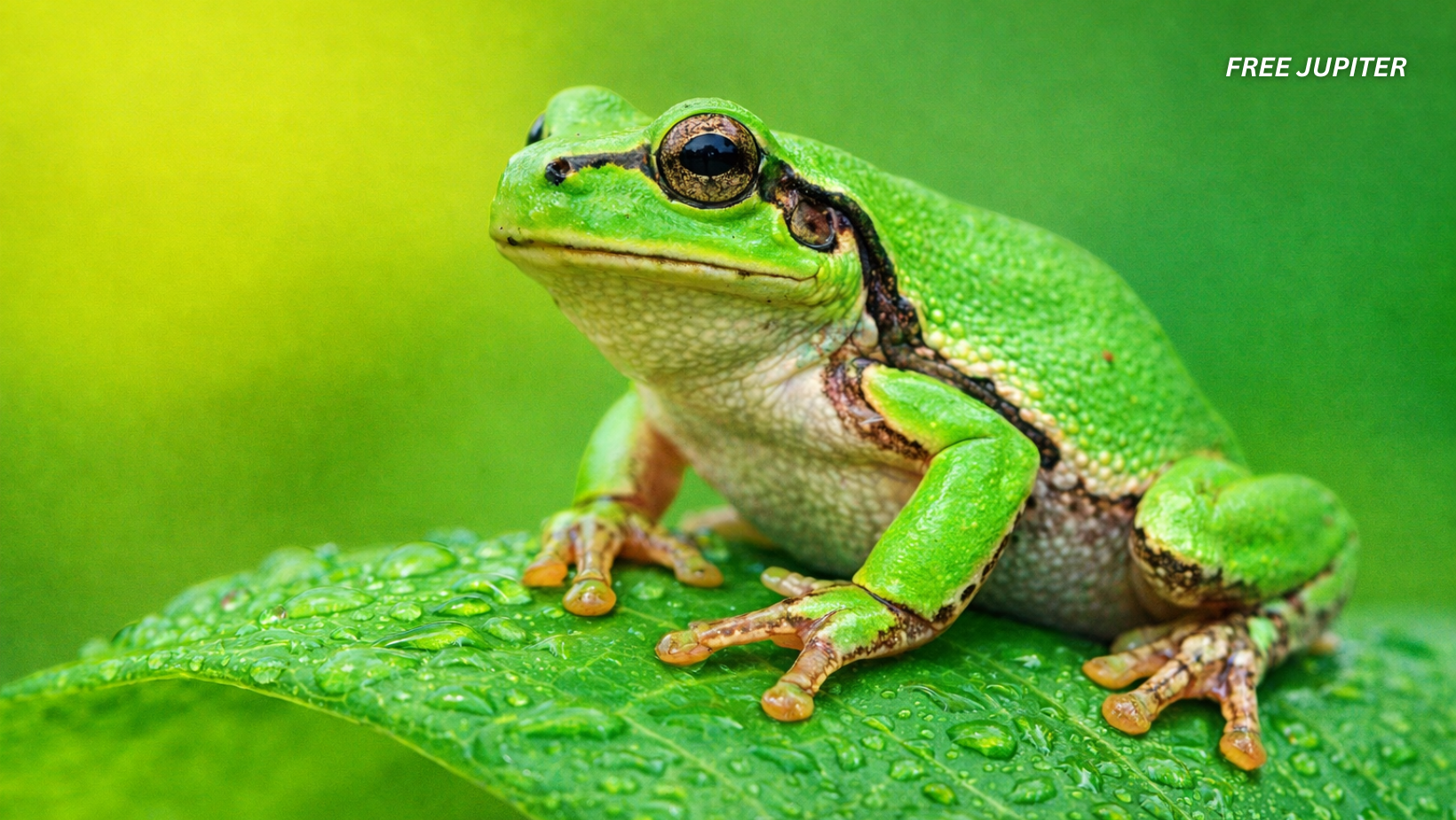
Sometimes, nature hides its most powerful ideas in places we least expect. In this case, the source is not a high tech laboratory or a newly engineered drug, but the gut of a small Japanese tree frog. Recent research suggests that bacteria living inside this frog may have the ability to eliminate certain cancer tumors and even stop them from coming back, at least in early animal studies.
This discovery has captured attention not because it promises an instant cure, but because it offers a fresh way of thinking about cancer treatment. Instead of attacking the body aggressively, this approach appears to work with the body’s natural systems, gently but effectively targeting cancer where it hides.
Why scientists started looking at frogs
For years, researchers have noticed an interesting pattern in nature. Some animals develop cancer far less often than humans. Amphibians and reptiles, including frogs, fall into this category. While they are not immune to disease, cancer appears to be surprisingly rare among them.
This raised an important question. What is protecting these animals?
Rather than focusing on their skin or environment, scientists turned their attention to something less obvious. The gut microbiome. This is the collection of bacteria and microorganisms that live inside the digestive system. In humans, gut bacteria are already known to influence digestion, mood, immunity, and inflammation. It made sense to wonder whether frog gut bacteria might also play a protective role.
Researchers at the Japan Advanced Institute of Science and Technology decided to investigate this idea further.
Related article: Scientists Say More Animals Are Conscious Than We Ever Imagined—Even Insects
Exploring the frog’s inner ecosystem
The research team collected gut bacteria samples from Japanese tree frogs and began studying them in detail. They identified forty five different bacterial strains living inside the frogs. Each strain was tested to see whether it had any effect on cancer cells.
Most of the bacteria showed little to no impact. But one stood out dramatically.
This bacterium, known as Ewingella americana, showed a remarkable ability to interact with cancer cells in a way that few treatments can.
What made this bacterium especially interesting was not just that it attacked tumors, but how it did so.
How the bacteria find and destroy tumors
Cancer tumors create a unique environment inside the body. One of their defining features is low oxygen levels. These low oxygen zones help tumors survive and grow, but they also make treatment more difficult. Many therapies struggle to reach these areas effectively.
The frog derived bacterium appears to see these harsh conditions as an opportunity rather than a problem.
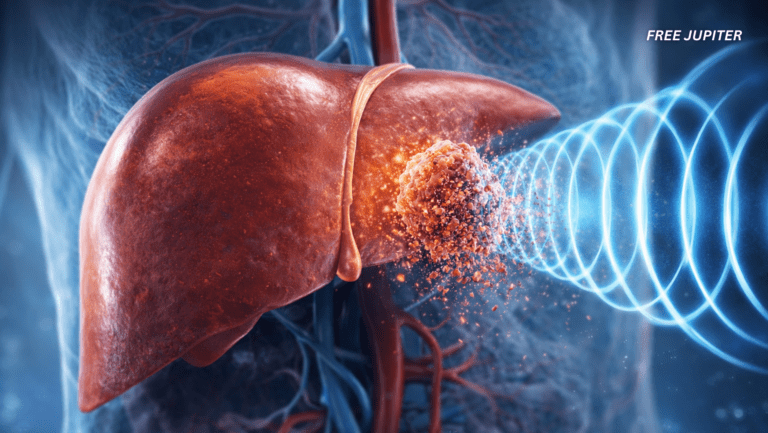
When introduced into the body, the bacteria naturally move toward low oxygen environments. Once they reach the tumor, they begin to multiply rapidly. As their numbers grow, they physically disrupt and break down cancer cells from within the tumor itself.
What makes this especially promising is that healthy tissues nearby remain largely unaffected. The bacteria do not thrive in normal oxygen rich environments, which limits their activity outside the tumor.
This targeted behavior is something cancer researchers have been searching for for decades.
One treatment with powerful effects
To test the bacterium’s potential, scientists conducted experiments using mice with colorectal cancer. The bacteria were delivered through a single injection into the bloodstream.
The results were striking.
After just one dose, colorectal tumors disappeared in all treated mice. There was no need for repeated treatments, radiation, or additional drugs. Even more surprising was what happened next.
When researchers later attempted to reintroduce cancer cells into the same mice, the tumors failed to grow.
This unexpected result suggested that something more than tumor destruction was happening.
Related article: Wildlife Experts Warn: Never Release These 17 Animals Into the Wild
Teaching the immune system to remember cancer
Further analysis revealed that the bacteria had activated a strong immune response. Several types of immune cells became involved, including T cells, B cells, and neutrophils.
In simple terms, the immune system learned to recognize cancer as a threat.
This process is similar to how vaccines work. A vaccine introduces a harmless version of a threat so the immune system can learn how to fight it in the future. In this case, the bacteria helped the immune system identify cancer cells and remember them.
As a result, the mice gained a form of immune memory that protected them from cancer returning.
This combination of direct tumor destruction and long term immune protection is what makes the discovery especially exciting.
Why this approach feels different
Most traditional cancer treatments focus on destroying cancer cells as quickly as possible. Chemotherapy and radiation are effective in many cases, but they often damage healthy cells along the way. This leads to common side effects such as fatigue, nausea, hair loss, and weakened immunity.
Immunotherapy has improved outcomes for many patients, but it can still cause strong immune reactions and does not work for everyone.
The bacterial approach appears to be gentler. Instead of overwhelming the body, it uses a naturally occurring organism that targets tumors specifically and works alongside the immune system.
This could mean fewer side effects and more precise treatment in the future.
What this means for future cancer research
Despite the limitations, the discovery opens an exciting new direction for cancer treatment research.
It suggests that nature may already provide tools capable of targeting cancer in smarter ways. By studying animals that rarely develop cancer, scientists may uncover protective mechanisms that can inspire new therapies.
This approach also highlights the importance of the microbiome, not just in digestion or immunity, but in complex diseases like cancer.
As research continues, scientists may be able to modify or refine bacterial treatments to make them safer and more effective for human use.
Related article: Humpback Whales Keep Saving Animals From Orcas—And No One Knows Why
A reminder from nature
One of the most powerful lessons from this study is how much we still have to learn from the natural world. Solutions do not always come from advanced machines or synthetic compounds. Sometimes they come from understanding how life has quietly solved problems over millions of years.
A small tree frog, living its ordinary life, may carry insights that help reshape how we think about cancer treatment.
While much work remains, this discovery reminds us that hope often arrives from unexpected places, and that curiosity remains one of science’s most valuable tools.
Featured image: GPT recreation.
Friendly Note: FreeJupiter.com shares general information for curious minds. Please fact-check all claims and double-check health info with a qualified professional. 🌱