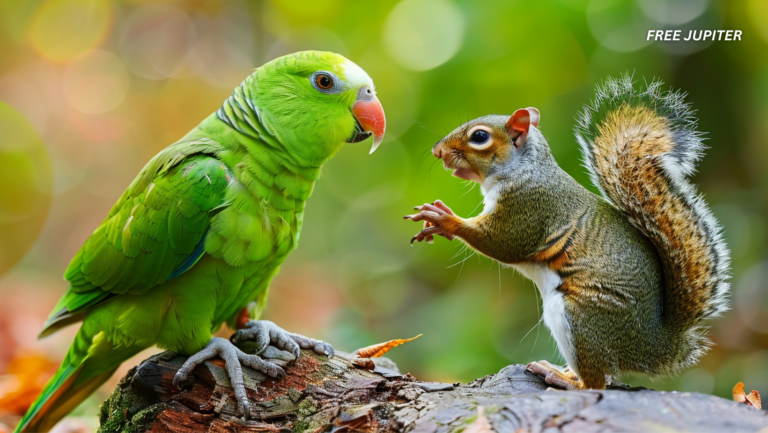

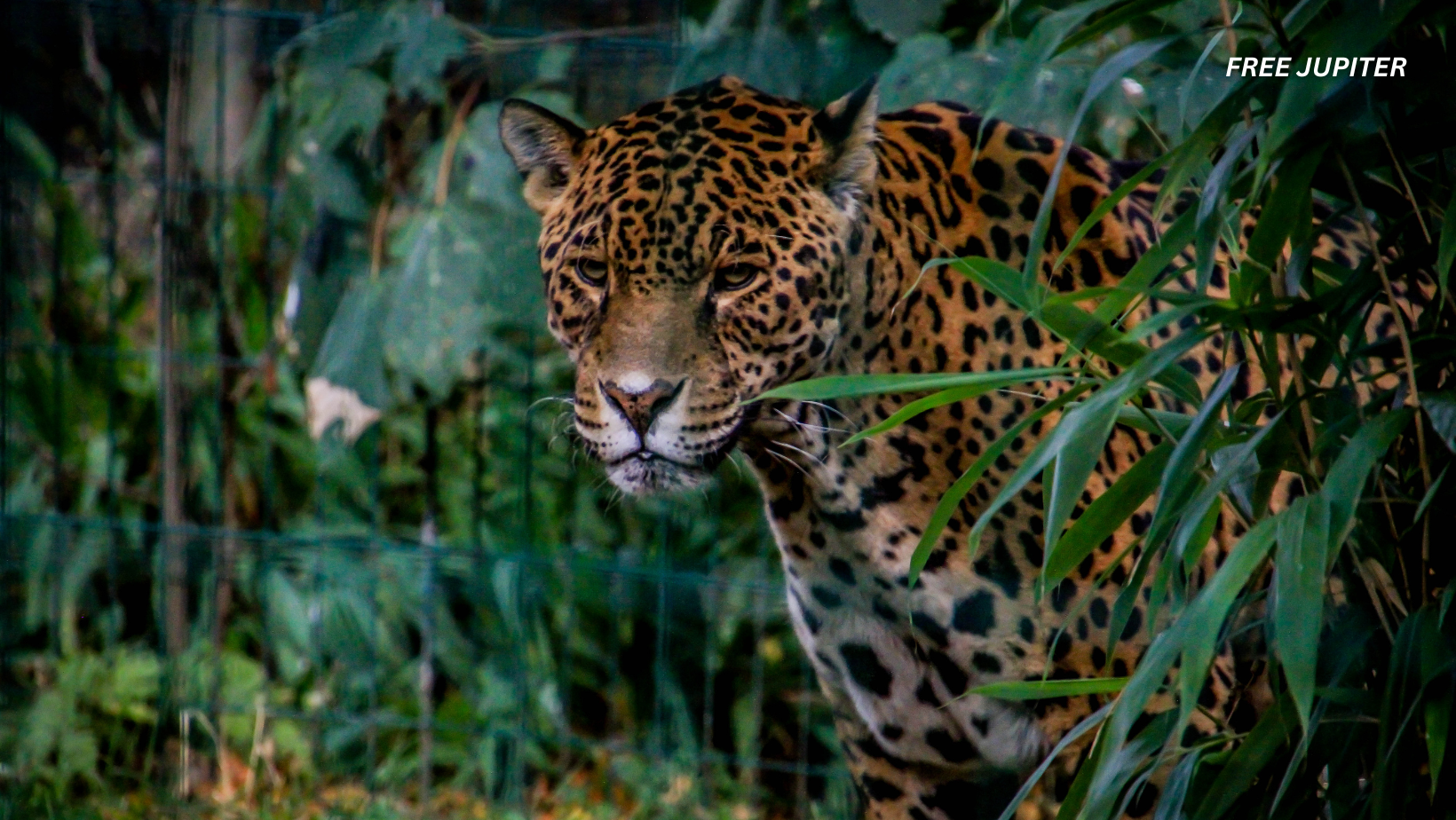
Costa Rica has once again proven that big environmental leadership does not require a big landmass. By permanently banning all sport and trophy hunting nationwide, the country has drawn a clear line between conservation and exploitation. Recreational hunting is now illegal forever, reinforcing Costa Rica’s reputation as one of the most wildlife friendly nations on Earth.
This decision is not simply about stopping hunting. It reflects a deeper philosophy about how humans should coexist with nature. In Costa Rica, animals are not seen as trophies, commodities, or entertainment. They are recognized as essential participants in a shared ecosystem that must be protected if life is to thrive.
At a time when biodiversity is declining at alarming rates worldwide, Costa Rica’s stance feels both bold and refreshingly straightforward.
Why Costa Rica’s Biodiversity Matters to the Entire Planet
Despite its relatively small size, Costa Rica is home to nearly five percent of all known plant and animal species on Earth. This includes countless insects, amphibians, birds, mammals, and plants that exist nowhere else. Rainforests, cloud forests, wetlands, and coastal ecosystems all coexist within its borders.
This level of biodiversity is rare. It also means that even small disruptions can have outsized consequences. When a species disappears, it can trigger a chain reaction that affects food systems, soil health, water cycles, and climate resilience.
Costa Rica’s wildlife does not exist in isolation. These ecosystems play a role in global environmental stability, making their protection a matter of international importance rather than a local concern.
Related article:‘Flossie The Cat’ Just Turned 30 Years Old — She’s Now Officially The Worlds Oldest Living Cat
Growing Pressures on Wildlife and Natural Habitats
As human populations grow and tourism expands, wildlife faces increasing challenges. Illegal animal trafficking remains a serious threat, with some species captured for the exotic pet trade or sold as souvenirs. Habitat loss, even when unintended, continues to put pressure on fragile ecosystems.
Wildlife tourism itself can become harmful when poorly regulated. Animals may be stressed, displaced, or injured when human curiosity crosses ethical boundaries.
At the same time, domestic animal neglect and organized animal fighting highlight a broader issue. Cruelty toward animals often reflects deeper social problems and a lack of accountability. Costa Rica recognized that protecting wildlife required addressing these issues as part of a larger system.
The 2012 Trophy Hunting Ban That Changed the Conversation
Costa Rica made global headlines in 2012 when it banned trophy hunting. This law ended the practice of killing animals for sport, status, or display. No more photos beside lifeless animals. No more prizes measured in horns, skins, or heads.
The ban was symbolic, but it was also practical. Trophy hunting often targets the strongest or most visually impressive animals, which can weaken entire populations over time. Removing key individuals from ecosystems disrupts natural balance and reduces genetic diversity.
By ending trophy hunting, Costa Rica challenged a long held belief that killing animals could somehow support conservation. Instead, the country embraced a model centered on protection, education, and sustainable coexistence.
Making the Ban Permanent and Nationwide
What truly sets Costa Rica apart is its commitment to permanence. Recreational hunting is not temporarily restricted or conditionally allowed. It is banned nationwide without exception for sport or trophies.
This clarity removes loopholes that often undermine conservation laws elsewhere. There is no ambiguity about what is allowed and what is not. Wildlife belongs to nature, not to individuals seeking entertainment.
The message is simple and powerful. Conservation is not negotiable.
Strengthening Animal Welfare Laws Beyond Wildlife
Costa Rica understood that protecting animals meant addressing cruelty in all its forms. In 2017, the country introduced stronger animal welfare legislation that went far beyond wildlife protection.
Animal cruelty became a criminal offense with mandatory jail time for serious violations. Neglect, abuse, and organized animal fighting were no longer treated as minor issues. They became crimes with real consequences.
This shift marked a turning point. Animals were no longer seen as property without protection. They were recognized as beings deserving of care and respect.
Combating Wildlife Trafficking Through Enforcement
Illegal wildlife trafficking is one of the most profitable criminal industries in the world. Costa Rica responded by strengthening penalties and improving enforcement against those who capture, sell, or transport wild animals illegally.
The focus was not only on individual offenders but also on dismantling trafficking networks. Authorities targeted the supply chains that profit from animal suffering.
By increasing the risks and consequences for traffickers, Costa Rica made it far less attractive to exploit its wildlife.
Related article: Japanese Tree Frog Gut Bacteria Shows Stunning Ability To Wipe Out Cancer Tumors In Mice
A National Database to Track Animal Abuse Offenders
One of the most innovative aspects of Costa Rica’s approach is the creation of a national database of animal abuse offenders. This system allows authorities to identify repeat offenders and monitor patterns of abuse.
This level of accountability sends a strong message. Animal cruelty is not a one time mistake that disappears into paperwork. It is a serious issue with long term implications.
By tracking offenders, Costa Rica improves prevention and reinforces the idea that society will not turn a blind eye to suffering.
Ecotourism as a Sustainable Alternative
Instead of relying on hunting or wildlife exploitation, Costa Rica has embraced ecotourism as a sustainable economic model. Visitors come to observe animals in their natural habitats rather than to harm them.
This approach creates jobs while preserving ecosystems. Healthy wildlife populations become an asset rather than a target. Communities benefit financially from protection rather than destruction.
By aligning economic incentives with conservation goals, Costa Rica demonstrates that protecting nature can also support human wellbeing.
Addressing Criticism and Misconceptions
Some critics argue that hunting bans can limit cultural traditions or economic opportunities. Costa Rica’s experience challenges this assumption.
The country has shown that strong conservation policies can coexist with economic growth, tourism, and cultural pride. Rather than erasing tradition, Costa Rica has redefined it around stewardship and respect.
Others worry about enforcement challenges. While no system is perfect, Costa Rica’s layered approach combining legislation, education, and accountability has proven effective.
A Global Example in a Time of Crisis
The world is facing a biodiversity crisis unlike anything seen in human history. Species are disappearing at unprecedented rates, and ecosystems are under immense pressure.
Costa Rica’s decision to ban sport and trophy hunting forever offers a clear alternative to half measures. It shows that decisive action is possible when values align with policy.
This does not mean every country must follow the same path. However, it does demonstrate that protecting wildlife does not require sacrificing economic stability or national identity.
Why Costa Rica’s Choice Matters Now More Than Ever
With climate change intensifying and habitats shrinking, the margin for error is growing smaller. Protecting animals is no longer just about compassion. It is about survival.
Healthy ecosystems regulate climate, purify water, support agriculture, and maintain natural balance. When animals disappear, these systems weaken.
Costa Rica has recognized that safeguarding life today is an investment in the future.
Related article: Earth’s Seasons Are Now Oddly Out of Sync, New Space Data Has Revealed
A Sanctuary for the World’s Wildlife
By permanently banning recreational hunting and strengthening animal welfare laws, Costa Rica has positioned itself as a true sanctuary for wildlife.
This commitment goes beyond symbolism. It is backed by enforcement, education, and cultural support. It reflects a national identity built around respect for life in all its forms.
For a country that shelters five percent of the planet’s species, this choice feels not only ethical but necessary.
Costa Rica has made its message clear. Wildlife is not a resource to be consumed. It is a legacy to be protected.
Featured image: Freepik.
Friendly Note: FreeJupiter.com shares general information for curious minds. Please fact-check all claims and double-check health info with a qualified professional. 🌱