
Time moves forward for everyone, yet a very small group of people seem to age at a slower pace. These rare individuals, known as supercentenarians, live well beyond 110 years. Scientists have long wondered what allows them to reach such extraordinary ages while still maintaining relatively good health.
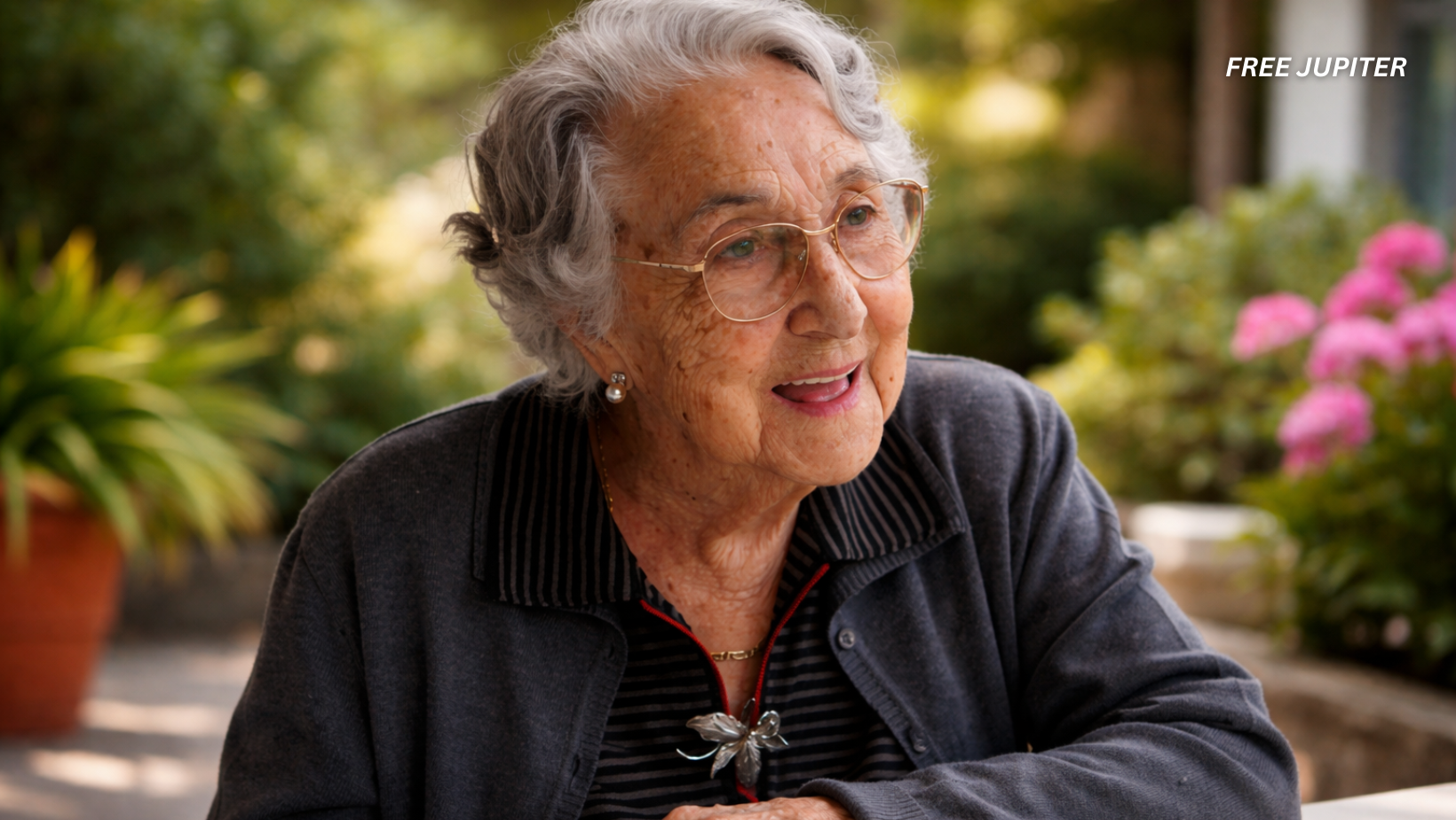
One of the most fascinating examples is Maria Branyas, a woman from Spain who lived to the remarkable age of 117. Before her passing in 2024, she was the oldest living person in the world. Now, a detailed scientific study of her DNA and overall health is offering new clues about how extreme longevity may be possible.
Researchers believe that one of Maria Branyas’s greatest advantages was her unusually youthful biology. Even though her calendar age placed her well past a century, many of her cells behaved more like those of someone decades younger.
A Body That Aged More Slowly Than Expected
The study was carried out by scientists at the Josep Carreras Leukaemia Research Institute in Barcelona. With Branyas’s consent, researchers collected blood, saliva, urine, and stool samples while she was still alive. These samples allowed them to analyze her genetics, immune system, metabolism, and gut health in detail.
What they found was striking. At a cellular level, her body did not reflect the extreme age suggested by her birth date. Many biological markers pointed to a much younger internal age, especially when compared to the average life expectancy of women in her home region of Catalonia.
In fact, Maria Branyas lived more than thirty years longer than the typical woman from that area.
Rare Genes Linked to Longevity
One of the most important discoveries involved her DNA. Scientists identified several rare genetic variants that are already known to be associated with long life, strong immune function, and protection against heart and brain disease.
These genetic traits may have helped her body manage stress, fight infections, and reduce damage caused by aging over time. While genes alone do not guarantee a long life, they can create a biological foundation that makes healthy aging more likely.
The researchers described her genome as exceptionally young, meaning her DNA showed fewer signs of wear and tear than expected for someone of her age.
Related article: Japan Just Hit 100,000 Citizens Over 100-Years-Old — Their Longevity Secret Isn’t What You’d Think
Strong Heart, Calm Immune System
Despite living for more than a century, Branyas showed surprisingly good cardiovascular health. Her heart and blood vessels were in excellent condition, and her levels of chronic inflammation were very low.
Inflammation is often called silent aging because it slowly damages tissues and increases the risk of diseases like arthritis, diabetes, and heart problems. Many older adults struggle with ongoing inflammation, but Branyas appeared largely protected from it.
Her cholesterol levels also stood out. She had very low levels of bad cholesterol and triglycerides, along with high levels of good cholesterol. This balance is known to support heart health and reduce the risk of stroke and other cardiovascular conditions.
A Youthful Immune System and Gut
Another unexpected finding involved her immune system. As people age, their immune defenses usually weaken, making infections more dangerous and recovery slower. In Branyas’s case, immune markers closely resembled those seen in much younger people.
Her gut microbiome also looked youthful. The gut microbiome refers to the trillions of bacteria living in the digestive system, which play a key role in digestion, immunity, and even mental health. In older adults, this microbial balance often shifts in unhealthy ways. Branyas’s gut bacteria, however, were similar to those found in younger age groups.
This combination of a strong immune system and healthy gut may have helped her stay resilient against illness for many years.
Lifestyle Still Mattered
While genetics played an important role, the researchers emphasized that Branyas did not rely on DNA alone. She lived an active life, staying mentally sharp, socially connected, and physically engaged well into old age.
She was also known for following a Mediterranean style diet, which includes plenty of fruits, vegetables, olive oil, whole grains, and fermented foods such as yogurt. Yogurt, in particular, may have supported her gut health by nourishing beneficial bacteria.
That said, the scientists cautioned against oversimplifying her longevity. Extreme lifespan is rarely caused by a single habit or food. Instead, it likely results from a complex mix of genetics, environment, lifestyle, and chance.
Related article: Flossie The Cat’ Just Turned 30 Years Old — She’s Now Officially The Worlds Oldest Living Cat
The Telomere Surprise
One of the most intriguing findings involved Branyas’s telomeres. Telomeres are protective caps at the ends of chromosomes. They help safeguard genetic material during cell division. Over time, telomeres naturally shorten, and shorter telomeres are often linked to aging and higher risk of disease.
Surprisingly, Branyas had very short telomeres, even compared to other older adults. At first glance, this might seem like a disadvantage. However, recent research suggests that telomere length may not be a reliable marker of aging among the oldest individuals.
In fact, the researchers proposed that extremely short telomeres may have offered her a hidden benefit. Cells with very short lifespans divide less frequently, which could reduce the risk of cancer spreading. In this way, her biology may have traded rapid cell renewal for long term stability.
Rethinking Aging and Health
The researchers described supercentenarians like Branyas as a paradox. They reach extreme ages, yet often avoid many of the diseases typically associated with aging. This challenges the common assumption that old age must always come with poor health.
According to the research team, the case of Maria Branyas shows that advanced age and severe illness are not automatically linked. Her body demonstrates that it is possible to live a very long life while maintaining functional systems and relatively good health.
Limits of Studying One Person
While the findings are exciting, the scientists were careful to acknowledge the limits of their work. Studying a single individual, especially one as rare as a 117 year old, cannot provide universal answers.
Larger studies involving many long lived individuals are needed to confirm which biological markers truly matter and which ones are unique to specific cases. Fortunately, research on centenarians and supercentenarians is growing.
People who live to 100 are now the fastest growing age group worldwide. Still, only about one in ten centenarians reach 110. This makes individuals like Branyas incredibly valuable for scientific research.
What This Means for the Rest of Us
Although most people will not live past 110, studies like this one help researchers identify patterns linked to healthy aging. By understanding which biological systems remain strong in long lived individuals, scientists hope to develop strategies that support better health across the lifespan.
These strategies may include identifying biomarkers that signal healthy aging early on, improving immune resilience, supporting gut health, and reducing chronic inflammation.
The researchers believe that Branyas’s life offers a rare window into how the human body can age more gracefully than expected.
Related article: Scientists Have Finally Revealed Why Women Live Longer Than Men Almost Everywhere on Earth
A Fresh Look at Human Longevity
The team concluded that their findings provide a new perspective on aging biology. Rather than viewing old age as an unavoidable decline, this research highlights the possibility of maintaining balance and function far longer than once thought.
Maria Branyas’s extraordinary life reminds us that aging is not a single story. It is shaped by biology, lifestyle, and circumstances in ways scientists are only beginning to understand.
The study was published in the journal Cell Reports Medicine.
Featured image: Freepik.
Friendly Note: FreeJupiter.com shares general information for curious minds. Please fact-check all claims and double-check health info with a qualified professional. 🌱