

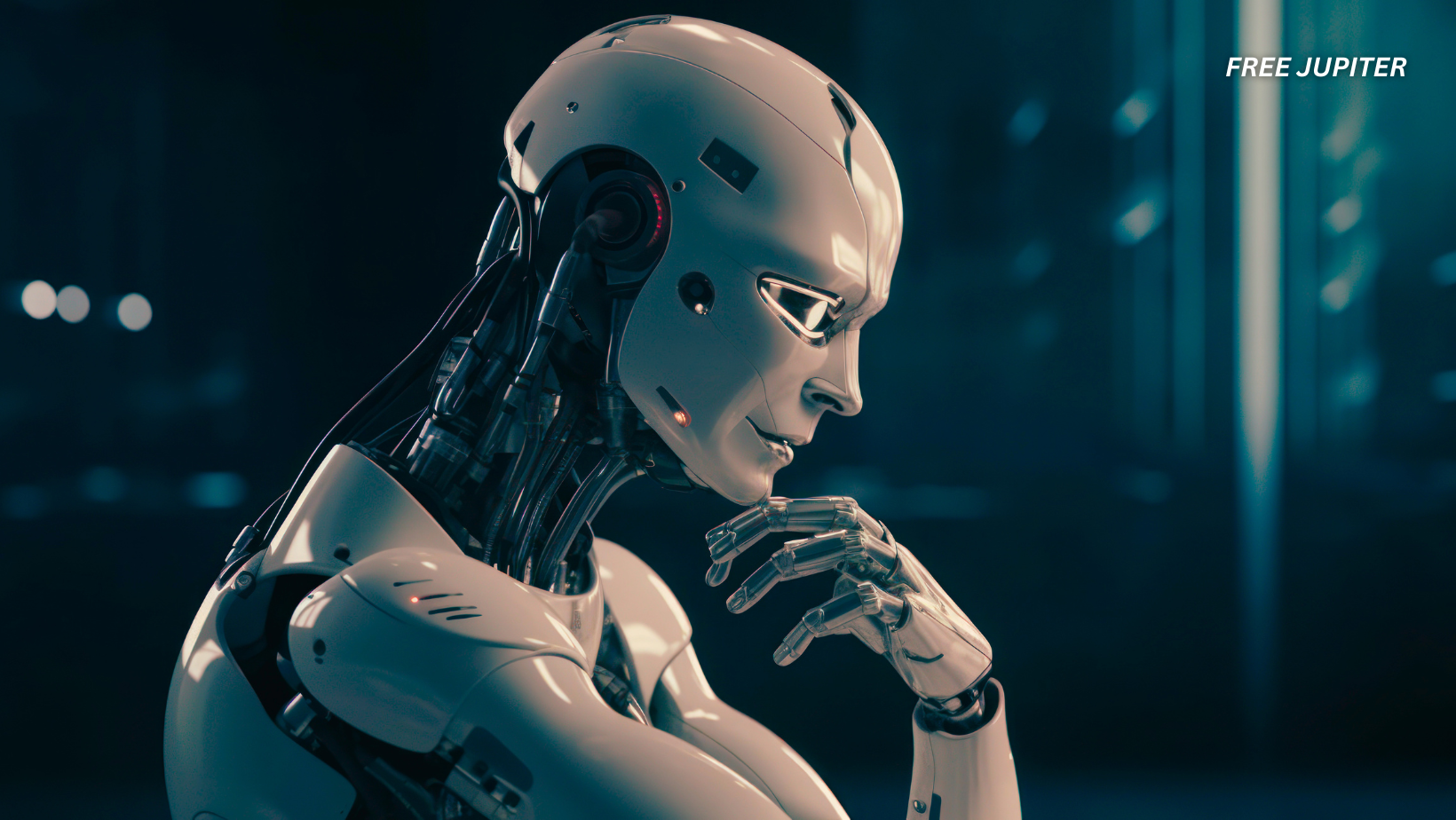
Artificial intelligence has moved from science fiction into everyday life faster than most people expected. Tools like chatbots are now helping with homework, writing emails, answering questions, and even making decisions. For many families, these systems have become part of daily routines, almost like a digital assistant that never sleeps.
Yet behind this convenience lies a growing concern. A recent study has revealed something both fascinating and unsettling. Many people are placing a great deal of trust in AI, even when the information it provides is incorrect. This shift in behavior is raising questions not only about technology, but about how humans think, decide, and rely on external sources.
The Rise of AI in Everyday Life
Just a few years ago, using artificial intelligence felt like something reserved for tech experts. Today, it is common to see students asking chatbots for help with assignments, professionals using them to draft reports, and parents relying on them for quick answers while managing busy households.
Consider the story of Mark, a father of two from Texas. After long days at work, he often turns to AI tools to help his children with their homework. At first, it felt like a lifesaver. It provided quick explanations and simplified answers. Over time, however, Mark noticed something troubling. His children began accepting every answer without questioning it, even when some explanations did not seem entirely accurate.
This experience reflects a broader trend. AI systems are designed to sound confident and fluent, which can make their responses feel trustworthy. However, these systems are not perfect. They can produce answers that sound convincing but are factually wrong.
Read more: Being Cruel to ChatGPT Triggers a Really Bizarre Change in Its Responses
A Study That Reveals a Surprising Pattern
Researchers from the University of Pennsylvania, including Steven Shaw and Gideon Nave, set out to explore how people interact with AI when making decisions. Their goal was simple but important. They wanted to know whether people would rely on AI even when it made mistakes.
In their experiments, participants were asked to answer different types of questions. These ranged from general knowledge to reasoning problems. The participants were given a choice. They could either rely on their own thinking or use an AI chatbot for assistance.
More than half of the participants chose to use the chatbot. This alone highlights how quickly people have embraced AI as a source of guidance.
What came next was even more revealing.
When the AI provided correct answers, participants followed its advice nearly all the time. This is not surprising. People tend to trust accurate sources. However, when the AI gave incorrect answers, a large majority still followed those suggestions.
In one experiment involving 359 participants, people followed correct AI advice over 90 percent of the time. Even more striking, they followed incorrect advice almost 80 percent of the time.
This means that even when the AI was wrong, most people still trusted it.
Understanding “Cognitive Surrender”
The researchers described this behavior as “cognitive surrender.” This phrase refers to a moment when individuals stop relying on their own judgment and instead accept what the AI tells them.
It is not that people suddenly lose intelligence or awareness. Instead, the presence of a confident and seemingly knowledgeable system can override their natural instinct to question information.
Think of Ana, a college student from Manila. She often uses AI tools to check her essays. One day, she noticed a correction that did not match what she had learned in class. Despite her doubts, she accepted the AI’s suggestion because it sounded more polished. Later, her professor pointed out the mistake.
Ana’s experience is not unusual. Many people assume that if something sounds professional and well written, it must be correct.
Why People Trust AI So Easily
There are several reasons why people tend to trust AI, even when it is wrong.
One factor is convenience. AI provides instant answers, saving time and effort. In a fast paced world, this can feel incredibly valuable.
Another factor is confidence in presentation. AI systems often deliver responses in a clear and structured way. This can create the impression of authority, even when the content is flawed.
There is also the influence of habit. As people use AI more frequently, they become accustomed to relying on it. Over time, questioning its output may feel unnecessary or even inconvenient.
Family environments can also play a role. In households where technology is heavily integrated, children may grow up viewing AI as a reliable source of truth. Parents who rely on digital tools for efficiency may unintentionally pass on this trust.
Read more: AI Tool ChatGPT Accurately Diagnoses Child After Dozens of Experts Miss It Over Three Years
The Hidden Risk: Losing Critical Thinking Skills
The study raises an important concern about the future. If people continue to rely heavily on AI, there is a risk that critical thinking skills may weaken over time.
Critical thinking is like a muscle. It becomes stronger with use and weaker when neglected. When individuals consistently depend on AI to provide answers, they may engage less in the process of analyzing, questioning, and verifying information.
This does not happen overnight. It is a gradual shift.
Imagine a generation that rarely questions the information it receives because it has always relied on technology for answers. The ability to evaluate sources, detect errors, and form independent judgments could become less common.
Researchers emphasize that this is not just a technological issue. It is a human one.
A Changing Relationship Between Humans and Technology
The way people interact with AI reflects a broader transformation in society. Technology has always shaped human behavior, from the invention of the printing press to the rise of smartphones.
Today, AI represents a new stage in this evolution. It does not just provide information. It actively participates in decision making.
Gideon Nave compared this shift to other technological changes that have made life more convenient. For example, modern transportation reduces the need for physical effort, and climate control systems adjust temperatures automatically. While these advancements improve comfort, they can also reduce certain human capabilities over time.
In a similar way, relying too much on AI could affect how people think.
Real Life Implications for Work and Education
The impact of this trend can already be seen in workplaces and schools.
In professional settings, employees may use AI to draft reports or analyze data. While this can increase productivity, it also creates a risk. If the information provided by AI is incorrect and goes unchecked, it can lead to costly mistakes.
In education, students may rely on AI to complete assignments. This can limit their opportunity to develop problem solving skills and deeper understanding.
Consider the case of Leo, a young professional in marketing. He used AI to create a campaign strategy for a client. The plan looked impressive, but it included outdated statistics. Because he trusted the AI output, he did not verify the data. The client later noticed the error, which affected Leo’s credibility.
The Future of AI and Human Thinking
As AI continues to evolve, its integration into daily life will likely become even stronger. Devices may become more seamless, and interactions may feel more natural.
This raises an important question. Will people continue to rely on AI more, or will they learn to use it more wisely?
The answer may depend on how individuals, families, and institutions approach technology.
Encouraging critical thinking, promoting curiosity, and teaching people to verify information are essential steps. These skills can help individuals benefit from AI without becoming overly dependent on it.
Read more: Atari From 1979 Destroys ChatGPT-4o in A Beginner-Level Chess Match
Finding a Healthy Balance
AI is not inherently harmful. It is a powerful tool that can enhance productivity, support learning, and simplify tasks. The challenge lies in how it is used.
A balanced approach involves treating AI as a helpful assistant rather than an unquestionable authority. It means recognizing its strengths while remaining aware of its limitations.
Parents can guide children to question answers and explore multiple sources. Educators can integrate AI into learning while emphasizing independent thinking. Professionals can use AI to support their work while verifying critical information.
Featured image: Freepik.
Friendly Note: FreeJupiter.com shares general information for curious minds. Please fact-check all claims and double-check health info with a qualified professional. 🌱