
Spending time in space changes how people see the world. Astronauts often return with stories about the beauty of Earth, the fragility of our planet, and the strange feeling of seeing humanity from far above. One former astronaut says the experience gave him a realization that still shapes how he thinks about life on Earth today.
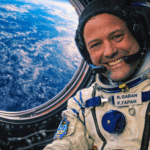
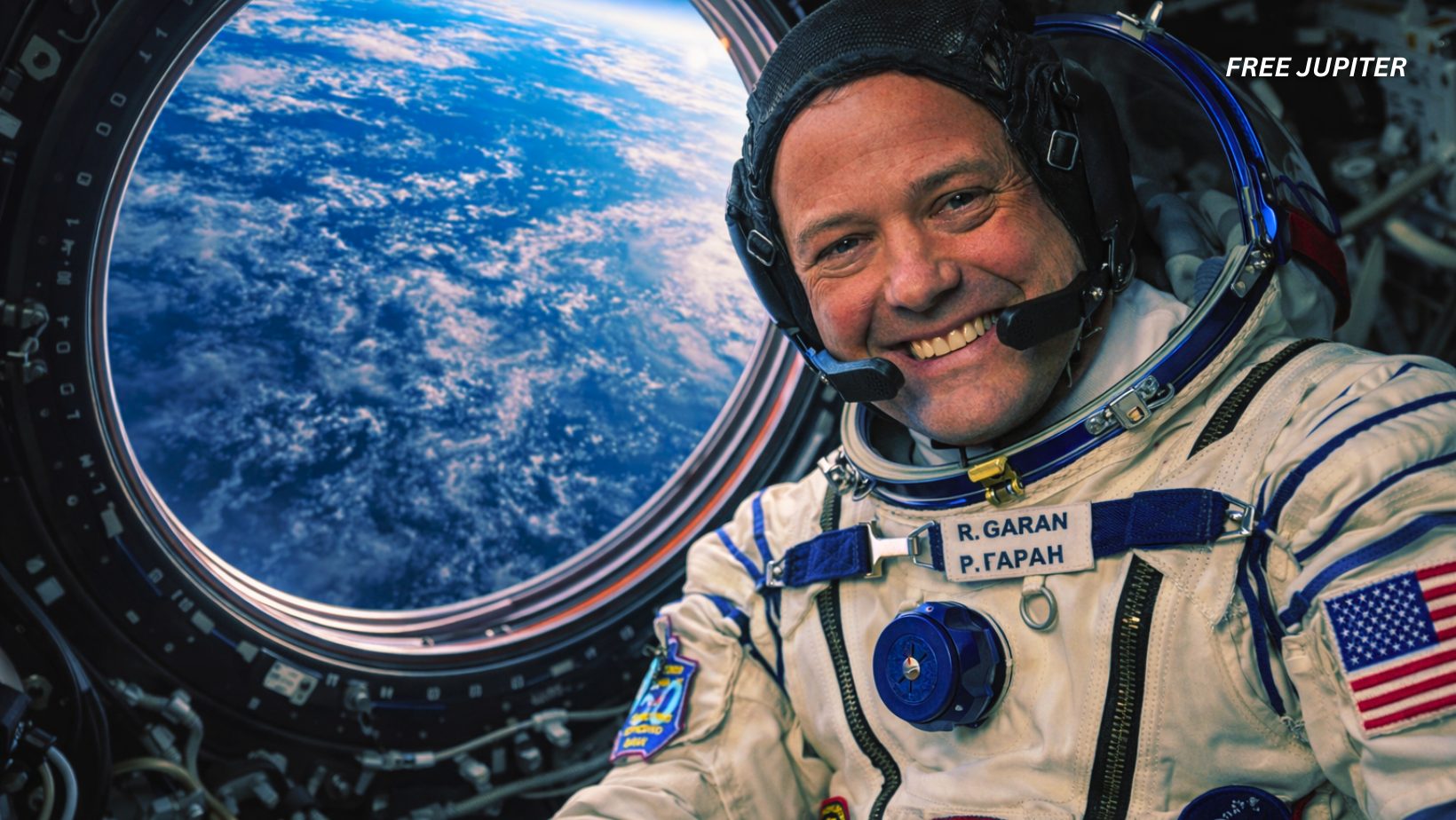
Former NASA astronaut Ron Garan spent 178 days aboard the International Space Station (ISS) during a mission in 2011. Over nearly six months in orbit, he traveled around Earth thousands of times and witnessed scenes that few people on the planet will ever experience. When he returned home, he began speaking openly about the perspective he gained while floating hundreds of kilometers above the planet.
According to Garan, seeing Earth from space can lead to a powerful shift in thinking. It can make many of humanity’s usual priorities seem strangely misplaced.
Seeing Earth From a Completely Different Perspective
Garan launched into space on April 4, 2011, leaving his family behind on Earth while he joined the crew of the International Space Station. During the mission he circled the planet more than two thousand times before returning on September 16.
That long stay in orbit allowed him to witness Earth in ways that are impossible from the ground. From the windows of the space station he watched massive lightning storms flashing across continents. He saw glowing ribbons of auroras stretching across the atmosphere like curtains of light. He observed the thin blue line that marks the boundary between Earth and the vast emptiness of space.
The view was breathtaking, but it was also deeply thought provoking.
When astronauts look down at Earth, they do not see borders, economic systems, or political divisions. They see a single living world surrounded by darkness. This experience has become known as the Overview Effect, a psychological shift reported by many astronauts who spend time in orbit.
For Garan, the Overview Effect sparked a realization about how humanity organizes its priorities.
Related article: Scientists Say That Mutant Organisms From Space Could Solve The Global Antibiotic Crisis
The Idea That Humanity Is “Living a Lie”
In interviews after returning to Earth, Garan described a moment of clarity he experienced while observing the planet from space. From orbit, he could clearly see the delicate layer of atmosphere that protects life on Earth. That thin envelope of air is the only barrier between living ecosystems and the cold vacuum of space.
Seeing it from that vantage point made the planet appear both beautiful and fragile.
According to Garan, what stood out most was not what he saw, but what he did not see. From space there were no signs of global markets or financial systems. There were no economic borders or business structures. Instead there was simply a vibrant biosphere filled with life.
This contrast led him to a striking conclusion.
Human societies often behave as if the planet’s ecosystems exist to serve economic systems. In reality, the situation is the opposite. The economy exists inside Earth’s life supporting environment, not the other way around.
From space, that truth appears obvious.
Garan later described this realization by saying humanity often acts as though economic activity is the center of everything, while the natural systems that sustain life are treated as secondary. From his perspective, that way of thinking creates a dangerous illusion.
In simple terms, he believes humanity sometimes forgets that the health of the planet must come first.
The Thin Atmosphere That Protects Life
One of the most powerful images astronauts often describe is the thinness of Earth’s atmosphere. From the ground the sky appears vast and endless. Yet when viewed from space, the protective layer of gases surrounding the planet looks extremely narrow.
That thin line contains the oxygen humans breathe, the water cycle that sustains ecosystems, and the climate systems that make life possible.
Garan has spoken about how seeing that fragile boundary changed his understanding of environmental issues.
On Earth, problems such as climate change, deforestation, and biodiversity loss are often treated as separate challenges. Policies and discussions frequently address each issue independently.
However, from the perspective of orbit, these challenges appear interconnected. They are not isolated problems but different expressions of a deeper issue involving humanity’s relationship with the planet.
When astronauts observe Earth from space, they see one living system in which everything is connected.
The Overview Effect and Its Impact on Astronauts
The Overview Effect has been described by many astronauts over the years. It refers to the emotional and cognitive shift that occurs when people see Earth as a single, borderless world floating in space.
Astronauts often report feelings of awe, unity, and responsibility after experiencing this perspective.
Some say they become more aware of how closely connected human societies are to the natural systems of the planet. Others describe a stronger sense of global cooperation and environmental awareness.
Garan is one of many astronauts who have spoken publicly about this effect. For him, the experience reinforced the idea that humanity must think more collectively about the future of the planet.
From orbit, the divisions that dominate political discussions on Earth appear insignificant compared to the larger picture.
Related article: Alone in Orbit, This Chinese Astronaut Heard Knocking on His Space Capsule While 300km Above The Earth
Life on the International Space Station
During his 178 day mission, Garan worked alongside other astronauts conducting scientific experiments and maintaining the space station. Life aboard the ISS is highly structured and demanding.
Astronauts live in microgravity, meaning they float rather than walk. Everyday activities require adjustment. Simple tasks like eating, sleeping, and exercising must be done differently in weightlessness.
Exercise is especially important in space. Without gravity, muscles and bones can weaken over time. Astronauts follow strict workout routines to maintain their physical health while in orbit.
Crew members also perform research that helps scientists better understand how the human body responds to space travel. These studies are essential for preparing future missions to the Moon and Mars.
Despite the technical nature of the work, astronauts often say the view of Earth remains the most memorable part of their missions.
A Planet Without Visible Borders
From the windows of the space station, Earth appears as a continuous landscape of oceans, forests, deserts, and clouds. The political borders that define countries on maps are invisible from orbit.
This observation has led many astronauts to reflect on the way humanity organizes itself.
The absence of visible divisions reinforces the idea that Earth functions as a single, interconnected system. Environmental changes in one region can influence ecosystems across the planet.
Related article: Earth’s Seasons Are Now Oddly Out of Sync, New Space Data Has Revealed
A Reminder of Our Shared Planet
Space exploration often focuses on advanced technology, scientific discoveries, and the possibility of traveling to other worlds. Yet astronauts frequently return with a simpler message.
Looking at Earth from space highlights how rare and precious the planet truly is.
The glowing auroras, swirling clouds, and deep blue oceans create a scene that many astronauts describe as unforgettable. At the same time, the thin atmosphere surrounding the planet serves as a visual reminder of how delicate life’s support systems are.
For Ron Garan, that perspective sparked a realization that continues to guide his thinking.
From hundreds of kilometers above the surface, Earth appears not as a collection of separate nations and economies, but as a single living world. Recognizing that reality may help humanity make wiser choices about the future of the planet.
In the end, the lesson many astronauts bring home is simple. When viewed from space, Earth does not look divided or fragmented. It looks like one shared home floating in the vastness of the universe.
Featured image: GPT Creation.
Friendly Note: FreeJupiter.com shares general information for curious minds. Please fact-check all claims and double-check health info with a qualified professional. 🌱