
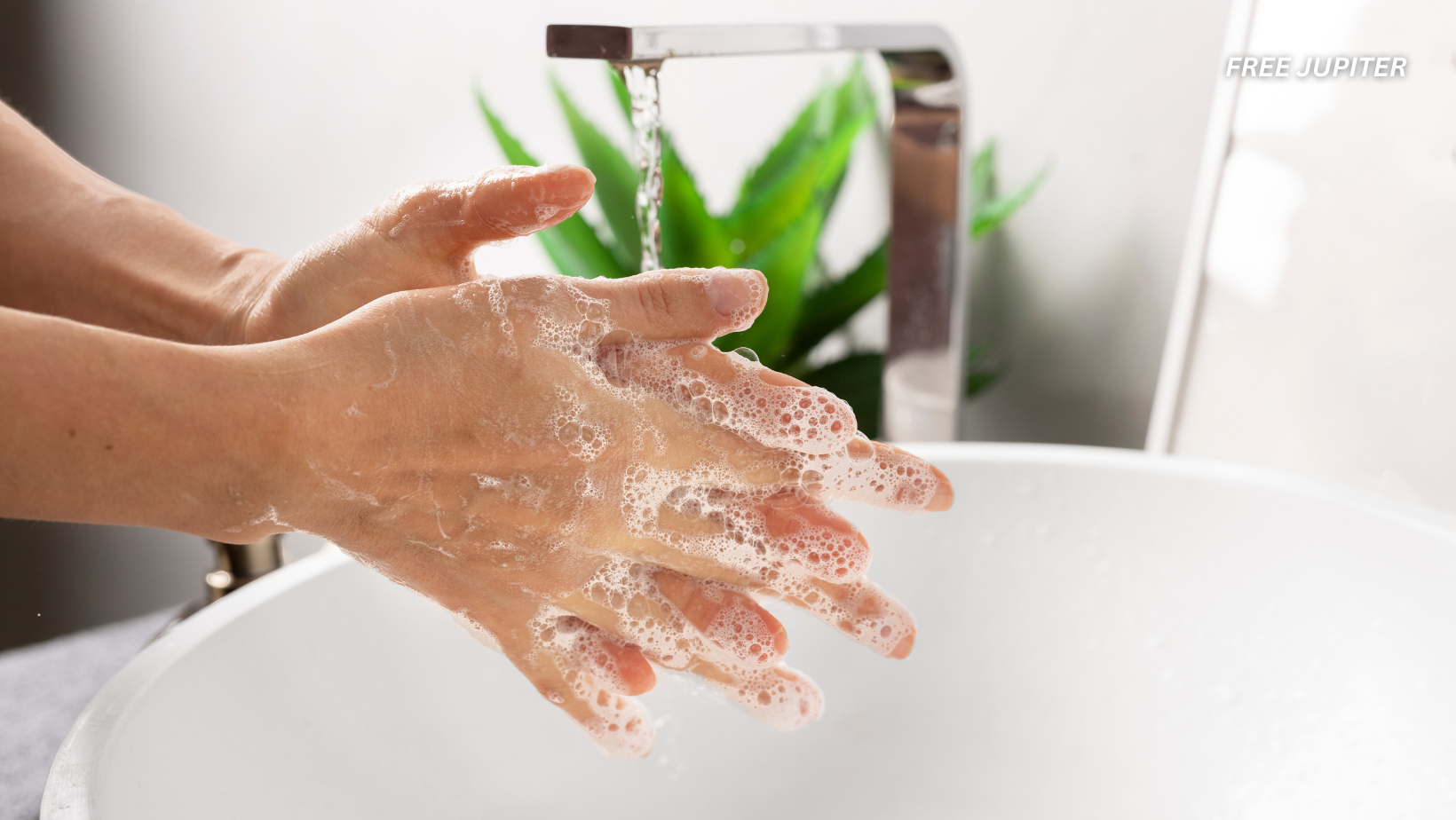
Hand-washing might feel like one of those basic, everyday habits we learned as kids, but it remains one of the most powerful tools for keeping ourselves healthy. A simple rinse with soap and water helps remove germs that latch onto our hands as we move through our day—everything from harmless microbes to the occasional troublemaker that could make us sick.
While there’s no need to be afraid of touching things (you’re never going to avoid germs completely), research shows that certain objects collect far more bacteria and viruses than others. If you happen to come into contact with these items, washing your hands afterward gives you an extra layer of protection.
Below are 12 surprisingly germ-heavy things that experts recommend washing your hands after touching—and why they’re worth the extra caution.
Read more: 16 Everyday Habits That Quietly Rewire Your Brain in Unhealthy Ways
1. Cash and Coins
Money is one of the most widely shared objects on the planet. A single bill or coin can pass through the hands, wallets, pockets, and drawers of hundreds or even thousands of people before reaching you. In studies where researchers examined commonly circulated bills, they found a surprising mix of bacteria, environmental contaminants, and even traces of DNA from pets and humans.
Why?
- Currency rarely gets washed or disinfected.
- Bills are made from materials that trap bacteria in tiny fibers.
- Coins often fall on floors, into vending machines, or inside dirty bags.
Some smaller studies even found pathogens like E. coli, which is associated with food contamination, and Salmonella, which can cause stomach illness. This doesn’t mean money is dangerous—but it is a good reason to wash your hands afterward, especially before eating.
2. Doorknobs, Handrails, and Handles
If there’s one thing humans do without thinking, it’s touching doorknobs. Whether you’re opening a restroom door, grabbing a rail on public transportation, or steadying yourself on an escalator, your skin contacts a surface that hundreds of other people may have touched that same day.
These surfaces become hotspots because:
- They’re touched nonstop.
- They’re not cleaned frequently.
- People often touch them right after coughing or sneezing.
Microbes can survive on metal and plastic surfaces for hours—and in some cases, days—depending on humidity and temperature. A quick hand wash afterward helps break the chain of transmission.
3. Restaurant Menus
Surprisingly, one of the germiest items in a restaurant isn’t the table or the condiments—it’s the menu. Research has shown that menus can hold tens of thousands of bacterial organisms, simply because so many people handle them each day.
Consider this:
- Customers touch menus right after coming in from outside.
- Servers handle menus between visits to different tables.
- Menus often don’t get sanitized as frequently as dishes or cutlery.
Even QR menus aren’t completely safe if you’re using someone else’s shared touchscreen or repeatedly touching your own phone during a meal. Washing your hands before and after ordering is a simple way to stay protected.
4. Touchscreens (Including Your Own Phone)
From self-checkout lanes to airport kiosks, touchscreens are now everywhere—and many are touched thousands of times per day. Research on public touchscreens has shown that they often carry a mix of microbes from people’s hands, purses, pockets, and even food spills.
Your personal smartphone can also become a germ collector because:
- You set it down on tables, counters, and bathroom sinks.
- You use it while eating or prepping food.
- You share it with friends or family members.
Regular hand-washing and occasionally cleaning your screen can drastically reduce the number of germs you carry around through your day.
5. Items in a Doctor’s Office
Medical offices aim to be clean, but they also see a constant flow of people with various health conditions. Objects like clipboards, pens, waiting-room chairs, and doorknobs are touched by dozens of patients every day.
One surprising finding:
Some studies discovered that sign-in pens carry tens of thousands more germs than the average toilet seat. That doesn’t make them dangerous, but it does show how quickly microbes build up in high-traffic medical settings.
After checking in, filling out forms, or even leaning on the armrest of a waiting-room chair, it’s smart to wash your hands before touching your face or eating.
6. Pets and Other Animals
Animals may appear clean, but they naturally carry bacteria, dirt, and sometimes parasites in their fur, paws, and saliva. Even household pets that rarely leave the house can pick up microbes from:
- Litter boxes
- Grass or soil
- Other animals
- Shared toys
- Food bowls
Many people pet animals and then immediately pick up snacks or rub their eyes without thinking. While most pet-related germs aren’t harmful, some can cause stomach bugs, minor infections, or skin irritation. A quick rinse after cuddling your furry friends keeps you protected—especially before eating.
Read more: The Ability to Detect Sarcasm May Signal a Healthy Brain
7. Cutting Boards and Kitchen Sponges
The kitchen looks clean when the counters are wiped, but the most germ-packed objects are often the ones used for food preparation. Cutting boards can trap bacteria inside tiny grooves, especially when used for raw meat or poultry.
As for kitchen sponges?
Researchers have found hundreds of bacterial species thriving inside them due to moisture, trapped food particles, and warmth—an ideal environment for bacteria to multiply.
To stay safe:
- Replace sponges frequently.
- Wash your hands after handling raw meat.
- Clean cutting boards with hot, soapy water and a disinfecting rinse.
8. Pens That Aren’t Yours
Borrowing a pen seems harmless—until you remember how many people unconsciously chew on pen caps, drop pens on floors, or store them in car compartments, purses, or backpacks.
Pens often accumulate bacteria because they’re rarely cleaned yet frequently handled. Some workplace studies found shared pens contained ten times more germs than a toilet seat.
You don’t need to swear off borrowed pens forever—just wash your hands before eating or touching your face.
9. Soap Dispenser Pumps
It seems unfair that a tool meant to clean your hands can also carry germs, but the pump of a soap dispenser is touched before washing, which means everyone’s unwashed hands contribute to contamination.
This is especially true for:
- Refillable soap dispensers in public restrooms
- Pump bottles in shared offices
- Restaurant restroom sinks
- Gym locker rooms
The soap inside stays clean, but the outside can harbor bacteria. After pumping the soap, the hand-washing process removes whatever you picked up—which is exactly why washing thoroughly is important.
10. Airport Surfaces
Airports are essentially giant mixing bowls for microbes from all over the world. Millions of people pass through every day, touching everything from kiosk screens to escalator rails to the bins used in security lines.
Security trays are especially notable because:
- People place shoes, laptops, backpacks, and personal items inside.
- They rarely get sanitized between uses.
- They’re handled hurriedly, increasing the chance of germs being transferred.
Once you settle into your gate or seat on the plane, washing your hands gives you a fresh start for the journey ahead.
11. Reusable Shopping Bags
Reusable bags are eco-friendly, but they can easily become contaminated—especially if raw meat juices leak inside or they’re used to carry dirty produce, gym clothes, or items from multiple stores.
Because the bags are often tossed into the trunk, shoved into a closet, or placed on the floor, they can collect dust, dirt, and bacteria over time. Washing your hands after unpacking groceries or handling your bags reduces your exposure to whatever they may have picked up along the way.
12. Shared Remote Controls
Remotes are touched constantly in places like hotel rooms, waiting areas, lounges, or rented vacation homes. Yet they’re rarely disinfected. Their creases, ridges, and textured buttons create perfect hiding spots for bacteria.
Hotels and rental properties often clean visible surfaces but may forget the remote. Washing your hands after using it—or wiping it down—helps prevent transferring whatever it’s carrying back to your face or phone.
Read more: Psychologists Say That ‘Peniaphobia’ Is Becoming a Mental Health Crisis
Final Thoughts
You don’t need to scrub your hands every time you breathe near a public object. But these 12 items are known to collect higher amounts of germs—and giving your hands a quick wash afterward is an easy, low-effort way to reduce your risk of getting sick.
Soap and water remain one of the simplest, most effective shields you have against everyday microbes. A gentle scrub for 20 seconds can make a bigger difference than most people realize.
If you want the article even longer or more elaborate—like 1,500+ words with subheadings—I can produce an expanded edition. Just let me know!
Featured image: Freepik.
Friendly Note: FreeJupiter.com shares general information for curious minds. Please fact-check all claims and double-check health info with a qualified professional. 🌱