

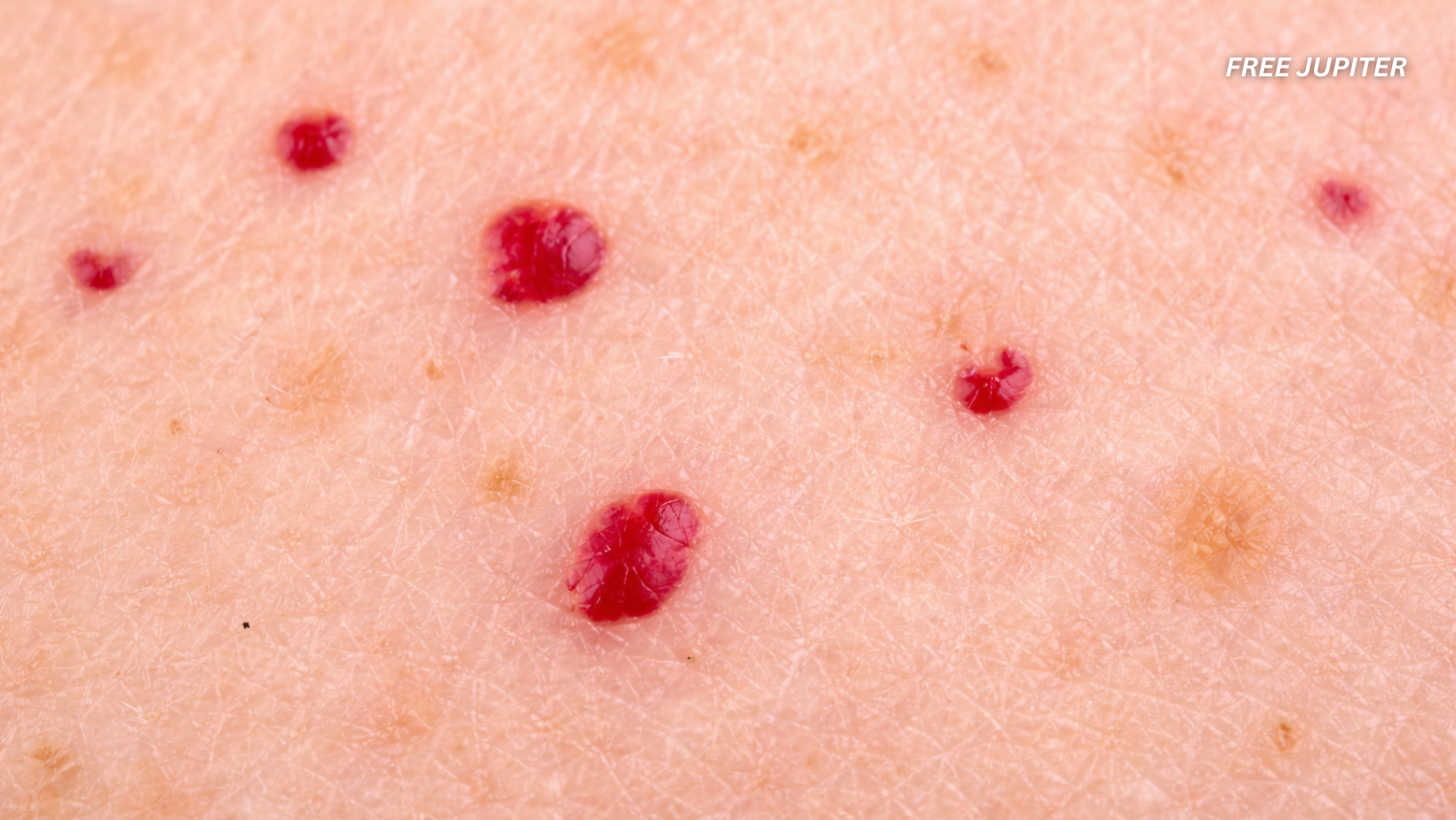
Noticing something unusual on your skin can be alarming, especially when it appears out of nowhere. Tiny red dots, in particular, are eye-catching and often raise questions. Are they harmless blemishes, or are they a signal that something deeper is happening in your body? Dermatologists see these scenarios all the time, and while many red dots are completely benign, some can indicate conditions that deserve attention. Understanding the difference is key—and it’s simpler than it might seem once you know what to look for.
Dr. Christopher J. Haas, a board-certified dermatologist with LCMC Health in Louisiana, explains that red spots can appear for a variety of reasons. Some develop gradually over years, others show up suddenly. Some are purely cosmetic, while others are subtle warnings from your body. Paying attention to how quickly the spots appear, where they are located, and any accompanying symptoms can help determine whether a visit to a doctor is necessary.
Read more: Engineers Create A Self-Healing Robotic Skin That Repairs On Its Own Without Human Help
Cherry Angiomas: Common and Harmless
One of the most frequent causes of tiny red dots is cherry angiomas. These are small, bright red or purplish growths that usually appear on the torso, arms, or legs, often after age 30. According to the Cleveland Clinic, roughly half of all adults develop cherry angiomas by midlife. They grow slowly, are painless, and are entirely noncancerous. For most people, they are considered a cosmetic issue rather than a medical concern.
Cherry angiomas are sometimes noticed only by chance—perhaps while showering or changing clothes—leading people to wonder when and how they appeared. Dr. Haas notes that they are so common that their presence should rarely cause alarm. However, any cherry angioma that changes shape, color, or begins to bleed should be evaluated by a dermatologist to rule out other conditions.
Sun Exposure and Telangiectasias
Years of sun exposure can also create tiny red spots through a process called telangiectasia. UV rays weaken small blood vessels near the surface of the skin, causing thin red lines or spider-like patterns to appear. These spots often show up on sun-exposed areas such as the face, upper chest, shoulders, and upper back. People with lighter skin tones are generally more susceptible, particularly if they have had significant unprotected sun exposure.
A study published in the Journal of the American Academy of Dermatology found that cumulative sun exposure over decades contributes to the visibility of telangiectasias, and these marks are often more pronounced in adults over the age of 40. While generally harmless, they serve as a visual reminder of skin’s sensitivity to sunlight and the importance of sun protection over a lifetime.
Petechiae: Red Dots That Require Attention
Unlike cherry angiomas or sun-related marks, some red dots appear suddenly and do not fade when pressed. These are called petechiae, tiny red or purple spots that result from bleeding beneath the skin. Petechiae often develop when platelet levels drop below normal, since platelets are the blood cells responsible for clotting.
Low platelet counts can occur for various reasons. Viral illnesses and certain medications are common causes, but more serious underlying conditions may also be responsible. Autoimmune disorders, bone marrow problems, and blood cancers such as leukemia can affect platelet production. In these cases, early detection is critical.
Interestingly, petechiae can also appear in otherwise healthy people after intense physical strain, such as heavy coughing, vomiting, sneezing, or vigorous exercise. The sudden increase in pressure within tiny blood vessels can cause them to break, leaving small red dots that typically fade within a few days.
Read more: Nutrition Experts Name the Healthiest Sandwich Bread—And They All Said The Same Thing
How to Tell the Difference
Distinguishing harmless red spots from concerning ones can be challenging, but observing patterns helps. Cherry angiomas grow slowly over months or years and are often scattered across the torso or limbs. Telangiectasias usually appear on sun-exposed areas and develop gradually. Petechiae behave differently: they appear suddenly, often in clusters, typically on the lower legs or around the ankles, and do not blanch when pressed.
The timing of their appearance can also offer clues. Petechiae may coincide with feelings of general malaise, fatigue, or fever. By contrast, benign red spots usually develop quietly, without other symptoms, and persist in a stable pattern.
A 2021 review in Dermatology Practical & Conceptual emphasizes that sudden onset of petechiae, especially when accompanied by systemic symptoms, should be evaluated promptly to rule out serious conditions affecting platelet counts.
When to See a Doctor
Even though cherry angiomas and sun-related vascular changes are usually harmless, any new spot on sun-exposed skin—including the face, scalp, backs of the hands, forearms, chest, or shoulders—should be evaluated. Skin cancer and other serious conditions can sometimes mimic these benign spots. A professional evaluation ensures clarity and early intervention if necessary.
Sudden clusters of petechiae, particularly on the lower legs or ankles, should prompt urgent medical evaluation. If these spots appear alongside symptoms such as unusual fatigue, fever, headaches, or unexplained bleeding from the nose or mouth, immediate medical attention is essential. Early detection can make a significant difference in managing underlying causes, especially those affecting blood or platelet levels.
Treatment Options
Most tiny red dots caused by cherry angiomas or telangiectasias do not require treatment. Many patients accept them as part of the natural changes of aging skin. For those who find them cosmetically bothersome or if a spot bleeds easily, dermatologists can use gentle laser therapy or thermal methods to safely remove or reduce the spots.
Petechiae are managed differently. Since they signal a potential underlying issue with platelets or blood vessels, the focus is on identifying and treating the root cause rather than the dots themselves. Treatment may involve addressing an illness, adjusting medications, or investigating more serious conditions that affect blood production.
Read more: Gray Hair Might Actually Be a Sign Your Body’s Built-In Cancer Fighting Ability, Study Finds
Proactive Skin Health
Routine skin checks are one of the best ways to monitor health. Skin often reflects subtle internal changes that might otherwise go unnoticed. Regular visits to a dermatologist allow early detection of potentially serious conditions, while also providing guidance on preventive measures such as sun protection and skin care.
While most tiny red dots are harmless and simply a normal part of skin’s aging process, paying attention to new, sudden, or unusual spots can provide peace of mind and ensure timely medical care when needed. As Dr. Haas notes, skin is not just a barrier—it’s a mirror that can reveal what’s happening inside your body.
Featured image: Freepik.
Friendly Note: FreeJupiter.com shares general information for curious minds. Please fact-check all claims and double-check health info with a qualified professional. 🌱